Ziziphora tenuior
L.
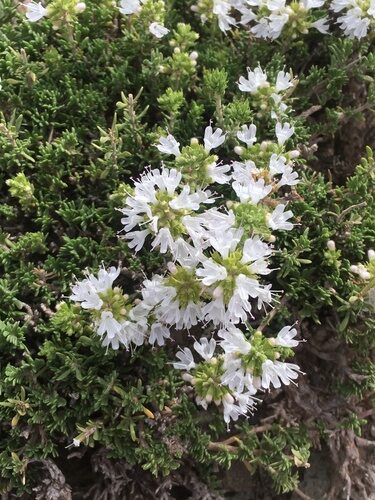
iNaturalist· cc-by-nc
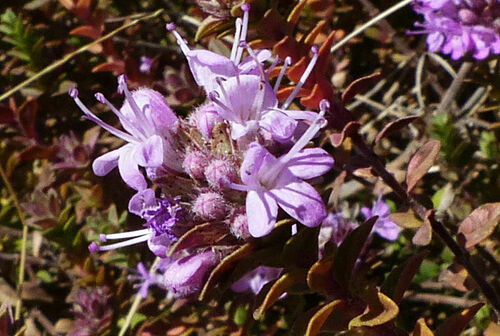
(c) Ron Frumkin, some rights reserved (CC BY-NC), uploaded by Ron Frumkin
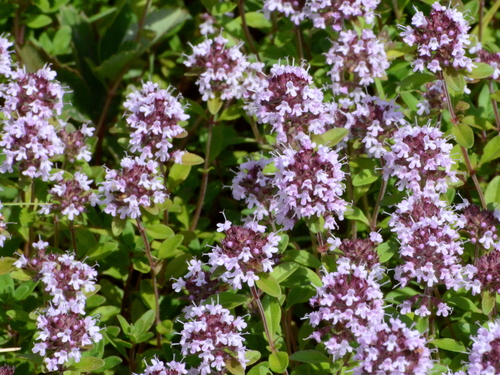
iNaturalist· cc-by-nc
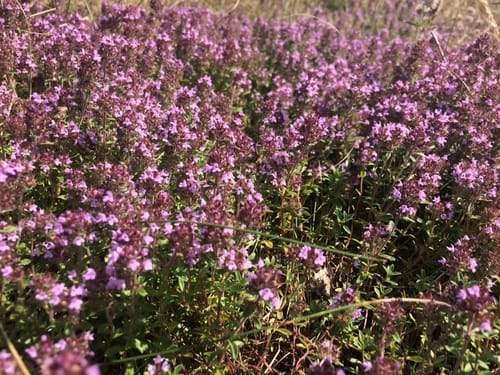
(c) Вячеслав Юсупов, some rights reserved (CC BY-NC), uploaded by Вячеслав Юсупов
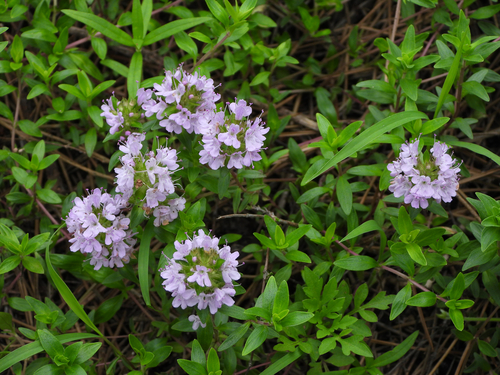
iNaturalist· cc-by-nc
(c) lougarou, some rights reserved (CC BY-NC), uploaded by lougarou
Description
An annual herb. It grows 5-15 cm high. The stems are hairy. The leaves are narrowly sword shaped and 1-2 cm long by 1-4 mm wide. The flower spikes have 2-6 flowers in a layer.
Edible Uses
The leaves are used to make tea and as a spice.
Distribution
It grows on hillsides, gravelly areas and semidesert areas.
Where It Grows
Asia, Caucasus, Central Asia, China, Egypt - Sinai, Europe, Israel, Kazakhstan, Kyrgyzstan, Mediterranean, Middle East, Pakistan, Russia, Syria, Tajikistan, Turkey, Türkiye, Turkmenistan, Uzbekistan,
Synonyms
References (6)
- Bailey, C. and Danin, A., 1981, Bedouin Plant Utilization in Sinai and the Negev. Economic Botany 35(2): 145-162
- Dogan, A. & Tuzlaci, E., 2015, Wild Edible Plants of Pertek (Tunceli-Turkey). Marmara Pharmaceutical Journal 19: 126-135
- Ertug, F., 2004, Wild Edible Plants of the Bodrum Area. (Mugla, Turkey). Turk. J. Bot. 28 (2004): 161-174
- Ertug, F, Yenen Bitkiler. Resimli Türkiye Florası -I- Flora of Turkey - Ethnobotany supplement
- Rivera, D. et al, 2006, Gathered Mediterranean Food Plants - Ethnobotanical Investigations and Historical Development, in Heinrich M, Müller WE, Galli C (eds): Local Mediterranean Food Plants and Nutraceuticals. Forum Nutr. Basel, Karger, 2006, vol 59, pp 18–74
Show all 6 references Hide references
- Senkardes, I & Tuzlaci, E., 2016, Wild Edible Plants of Southern Part of Nevsehir inTurkey. Marmara Pharmaceutical Journal 20:34-43