Baikiaea insignis subsp. minor
Benth., (Oliver) J. Leonard
gbif· cc-by-nc-sa
MBG
gbif· cc-by
Royal Botanic Gardens, Kew
gbif· cc-by-nc-sa
MBG
Summary
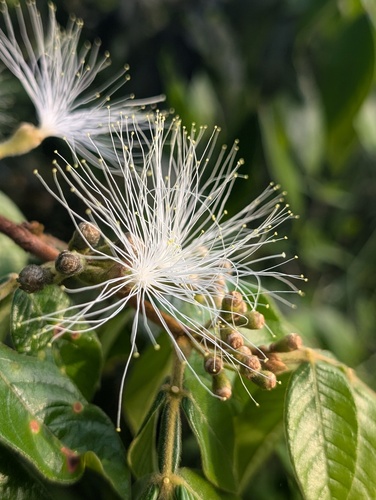
Source: WikipediaBaikiaea insignis is a species of legume in the family Fabaceae. Baikiaea insignis ranges through the Guineo-Congolian region into eastern Africa, from Senegal through Nigeria, Cameroon, Equatorial Guinea, Gabon, Republic of the Congo, Democratic Republic of the Congo, northern Angola, Uganda, Kenya, Rwanda, Burundi, and Tanzania. It has very large flowers; the four white petals each being up to 20 cm (7.9 in) long and up to 7 cm (2.8 in) wide, with the yellow fifth petal only half as big. With a total width of 40 cm (16 in) it is possibly the widest flower in Africa, and among the largest known tree-borne flowers, (but also see Pachira insignis). Baikiaea insignis is found in a range of plant communities, from sea level up to 1,800 metres elevation. It is found in rainforests, periodically flooded riparian forests with Uapaca heudelotii and Irvingia smithii, gallery forests, upland and mountain forests, and swamp forests. Baikiaea insignis subsp. minor, commonly known as Nkobakoba or Nkoba, is a subspecies found in Bukoba district of Tanzania and the South Buddu forests of Uganda. B. insignis minor and Afrocarpus dawei are the dominant canopy trees in Minziro and Sango Bay forests, a distinctive swamp forest community found along the lower reaches of the Kagera River west of Lake Victoria, on the border of Tanzania and Uganda.
Description
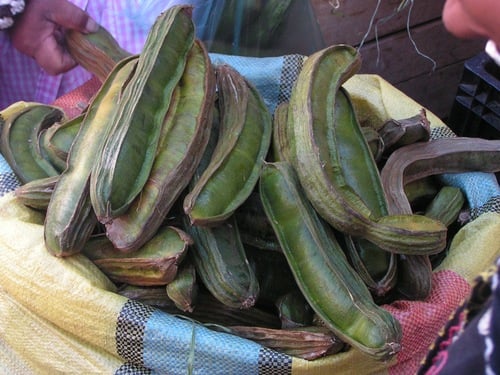
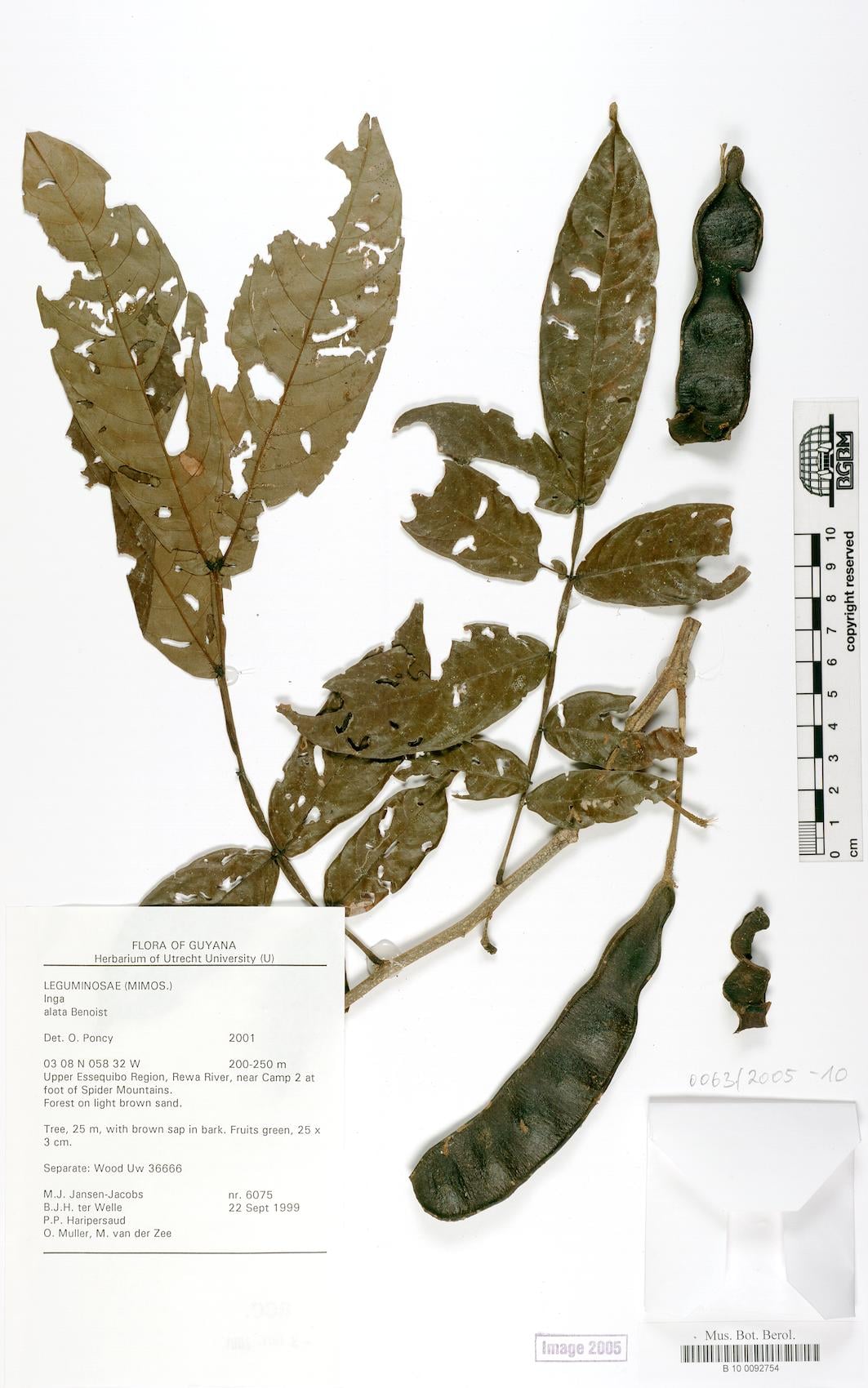
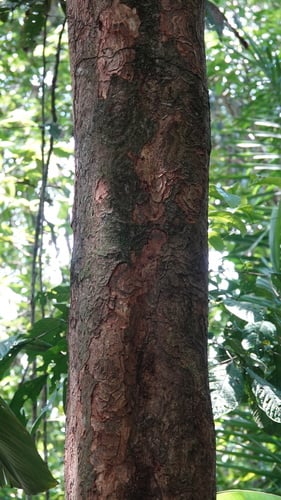
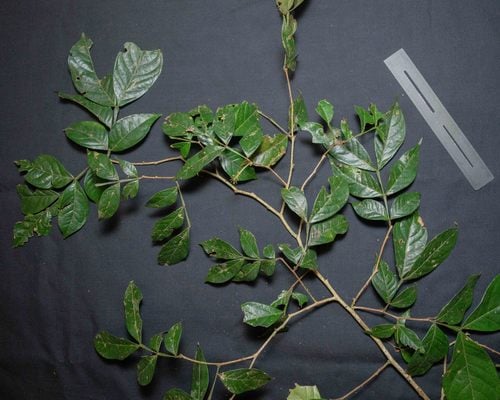
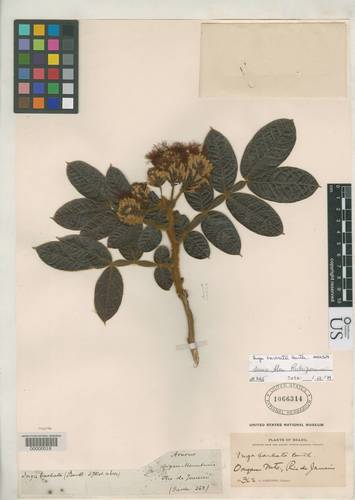
An evergreen tree. It grows 35 m high and spreads 5 m wide. The trunk is erect and branching. The bark is smooth and grey. The leaves are divided into leaflets along the stalk. There are 3-8 leaflets each 30 cm long. They are leathery and deep green. The flowers are large and creamy-white. They have 4 petals with ruffled edges. The flowers are 20 cm long. The fruit are pods 60 cm long. They have a chocolate brown covering.
Edible Uses
The seeds are roasted and eaten, traditionally used as a famine food.
Traditional Uses
The seeds are roasted and eaten during famine.
This uses section is brief — help expand it
Distribution
It is a tropical plant. It needs a deep, humus-rich well-drained soil. It grows in lowlands and lower mountain forests,
Where It Grows
Africa*, Angola, Australia, Cameroon, Central Africa, Congo, East Africa, Gabon, SE Asia, Singapore, Tanzania, Uganda,
Cultivation
Plants are grown from seed. The seed need treatment to break the hard seed coat.
Other Information
It is a famine food.
Notes
Also as Caesalpinaceae.
Synonyms
Also Known As
Nkobakoba
References (5)
- Bodkin, F., 1991, Encyclopedia Botanica. Cornstalk publishing, p 126
- Grubben, G. J. H. and Denton, O. A. (eds), 2004, Plant Resources of Tropical Africa 2. Vegetables. PROTA, Wageningen, Netherlands. p 559
- ILDIS Legumes of the World http:www;ildis.org/Legume/Web
- Lovett, J. C. et al, Field Guide to the Moist Forest Trees of Tanzania. p 74
- von Katja Rembold, 2011, Conservation status of the vascular plants in East African rain forests. Dissertation Universitat Koblenz-Landau p 157 (As Baikiaea insignis)