Anthonotha fragrans
(Baker f.) Exell & Hillc.
iNaturalist· cc-by-nc
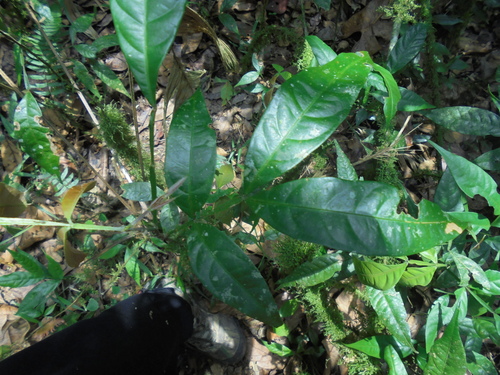
(c) Carel Jongkind, some rights reserved (CC BY-NC), uploaded by Carel Jongkind
iNaturalist· cc-by
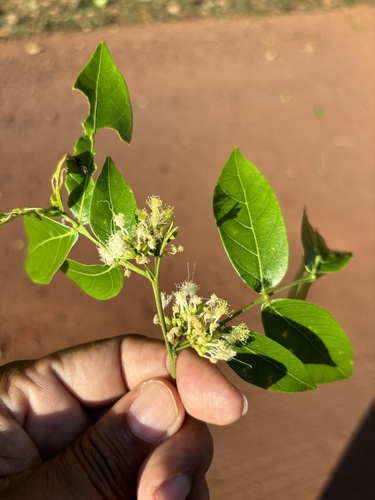
(c) B. Phalan, some rights reserved (CC BY), uploaded by B. Phalan
iNaturalist· cc-by-nc
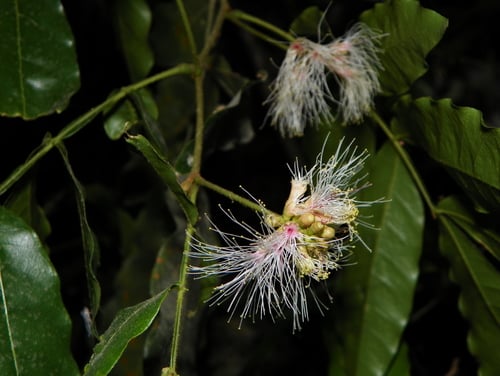
(c) Carel Jongkind, some rights reserved (CC BY-NC), uploaded by Carel Jongkind
Summary
Source: WikipediaAnthonotha fragrans is a medium to large sized tree commonly found in the rainforest environments of West and Central Africa; it belongs to the Fabaceae family. Its sapwood exudes a white to creamy exudate.
Description
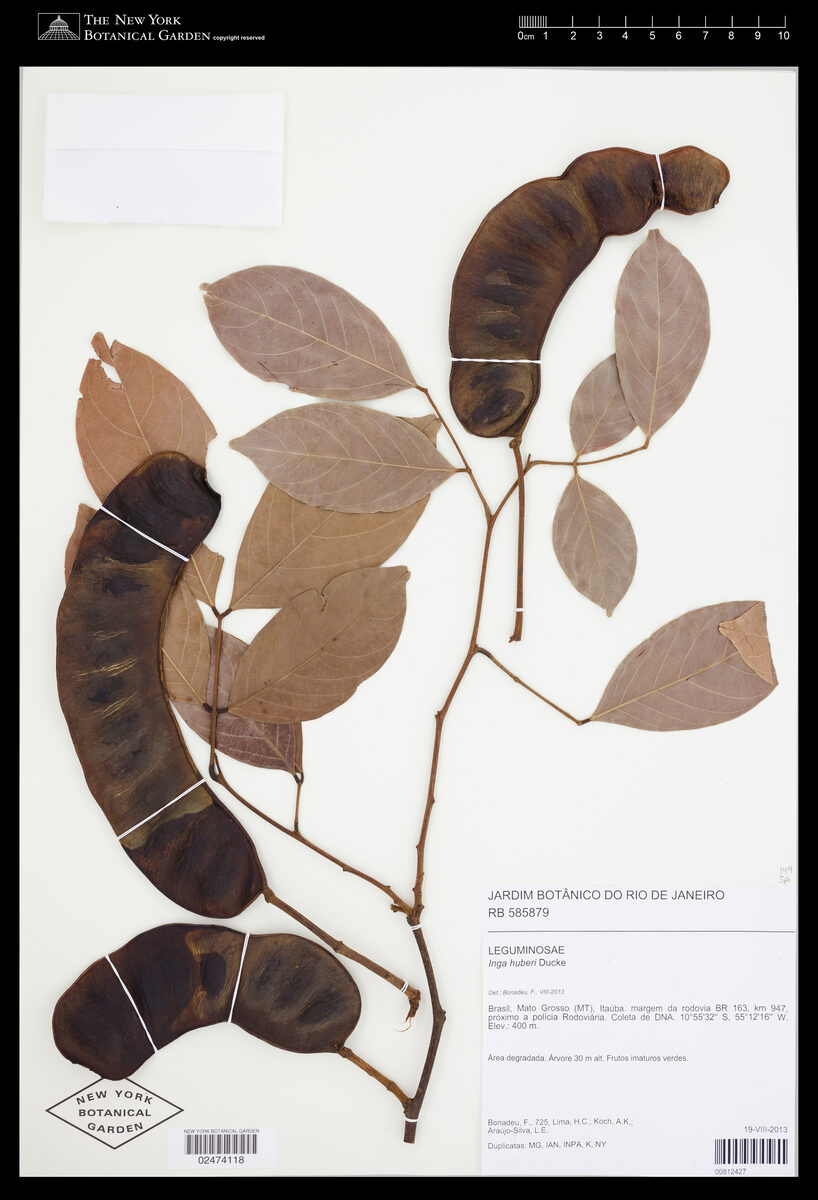
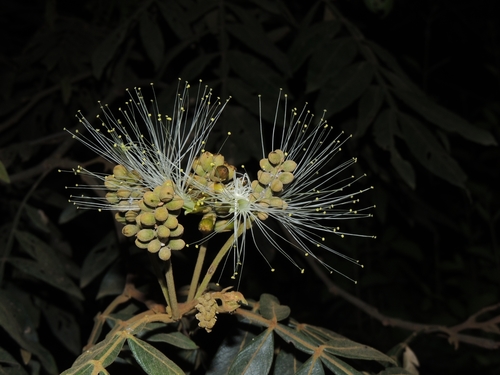
A tree. It grows 20-40 m high. The trunk is straight. It is 60-130 cm across. There are sometimes buttresses at the base. The crown is dense and rusty brown. The leaves have leaflets in pairs along the stalk. The leaves have rusty brown hairs underneath. The fruit is a large pod with ridges across it.
Edible Uses
The fruit is edible.
Distribution
It is a tropical plant. It grows in the rainforest. It suits humid locations. It grows between sea level and 800 m altitude.
Where It Grows
Africa, Angola, Cameroon, Central Africa, Congo, Côte d'Ivoire, Gabon, Ghana, Ivory Coast, Liberia, Nigeria, Sierra Leone, West Africa,
Other Uses
When cut, the sapwood exudes a whitish to cream-coloured watery gum. A white latex exudes from the cut sapwood. The wood is not very hard; there is no sharp division between sapwood and heartwood. The wood contains tangential layers of gum ducts, exuding a sticky, light brown or creamy gum. The wood is attacked by borers immediately after felling. We have no further specific information, but trees in this genus generally hace a tough, hard wood that is suitable for local construction purposes.
Notes
Caesalpinaceae
Synonyms
Also Known As
Duanguli, Duasane, Kibakoko
References (3)
- Burkill, H. M., 1985, Vol 3
- Dalziel, J. M., 1937, The Useful plants of west tropical Africa. Crown Agents for the Colonies London.
- ILDIS Legumes of the World http:www;ildis.org/Legume/Web