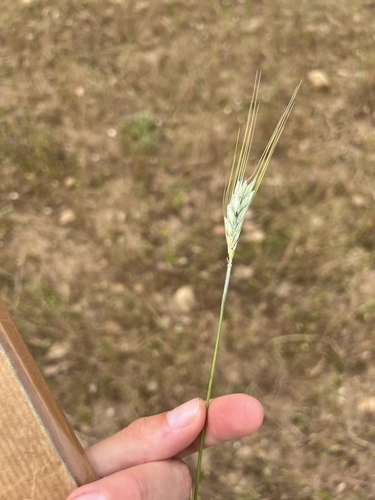
Hyparrhenia rufa
(Nees) Stapf.
Thatch grass
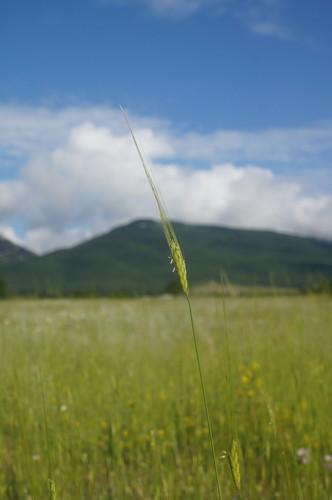
iNaturalist· cc-by-nc
(c) Scott W. Gavins, some rights reserved (CC BY-NC), uploaded by Scott W. Gavins
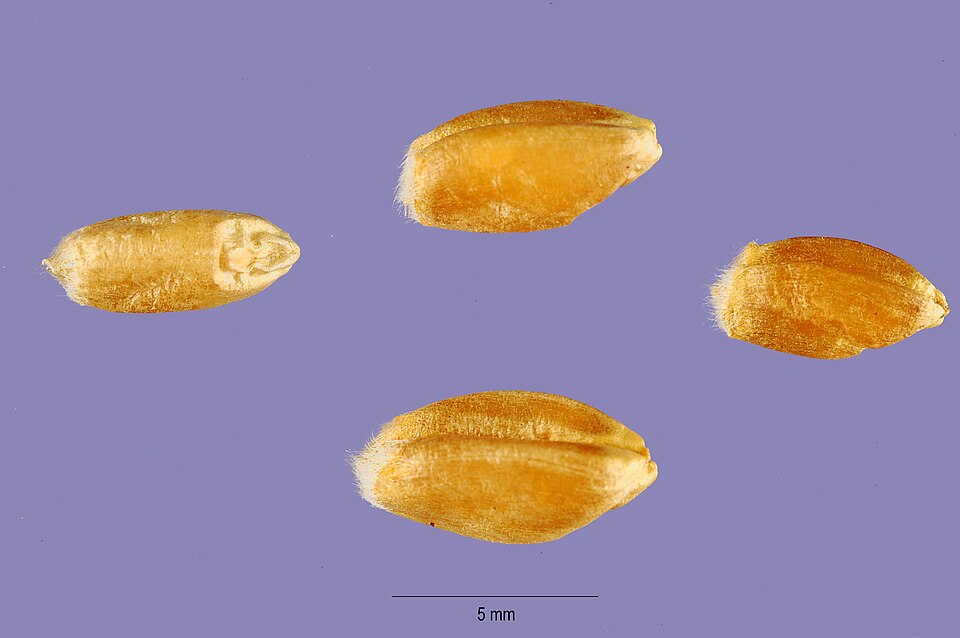
iNaturalist· cc-by-nc
(c) Matthew Thompson, some rights reserved (CC BY-NC)
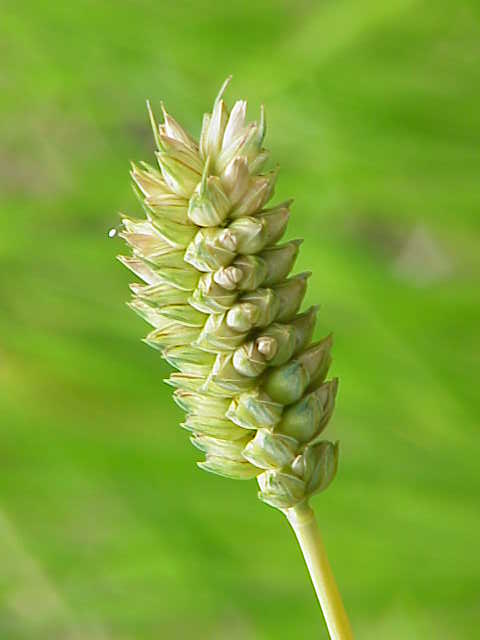
iNaturalist· cc-by-nc
(c) James K. Wetterer, some rights reserved (CC BY-NC)
Summary
Source: WikipediaHyparrhenia rufa is a species of grass known by the common names jaraguá, jaraguá grass, and giant thatching grass. It is native to Africa and it is widespread in the world as a cultivated forage and fodder for livestock and a naturalized and sometimes invasive species.
Description
A grass that grows in dense tufts. It can grow each year from seed or keep growing from year to year. It grows 2.5 m high. The leaf blades are 30-60 cm long by 2-8 mm wide. The spikelets are 4-5 mm long.
Distribution
It is a tropical plant. It grows in deciduous bushland and wooded grassland. It is widespread and variable in Africa.
Where It Grows
Africa, America, Argentina, Asia, Australia, Botswana, Brazil, Burkina Faso, East Africa, Ethiopia, Guiana, Guianas, Guinea, Guinée, Guinea-Bissau, Guyana, Madagascar, Malawi, Mozambique, Myanmar, Paraguay, Sao Tome and Principe, SE Asia, Senegal, Sierra Leone, South Africa, South America, Southern Africa, St. Kitts and Nevis, Suriname, Venezuela, West Africa, Zambia, Zimbabwe,
Cultivation
A plant of the dry to moist tropics, where it is found at elevations up to 2,000 metres. It grows best in areas where annual daytime temperatures are within the range 20 - 27°c, but can tolerate 11 - 32°c. It prefers a mean annual rainfall in the range 600 - 1,400mm, but tolerates 500 - 1,600mm. Requires a sunny position. Succeeds in a range of fertile soils. Prefers a pH in the range 5.5 - 6.5, tolerating 4.5 - 8. Established plants are very drought tolerant. A fast growing plant.
Other Uses
The haulm, when mature, is commonly used for thatching. The culms, combined with the culms of Andropogon pseudapricus, are often puddled with clay for building hut-walls. They are also fashioned into zaanaa mats. The plant has also shown some potential for converting into paper-pulp. Robust forms are grown in NW Nigeria as grass fencing.
Notes
Probably edible.
Synonyms
Also Known As
Senbelieth, Samola satiho
References (4)
- Flora Zambesiaca. http://apps.kew.org/efloras
- Fowler, D. G., 2007, Zambian Plants: Their Vernacular Names and Uses. Kew. p 70
- Melzer, R. & Plumb, J., 2011, Plants of Capricornia. Belgamba, Rockhampton. p 543
- Molla, A., Ethiopian Plant Names. http://www.ethiopic.com/aplants.htm