Buddleja polystachya
Fresen.
Madera
iNaturalist· cc-by-nc
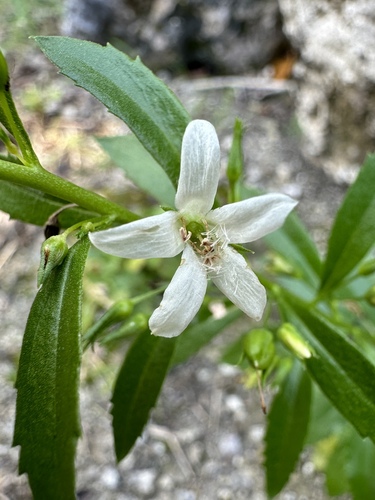
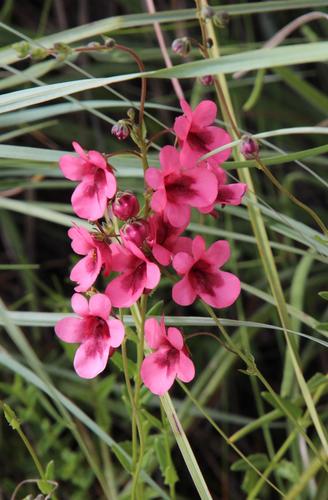
(c) Miguel A. Casado, niektóre prawa zastrzeżone (CC BY-NC), przesłane przez użytkownika Miguel A. Casado
iNaturalist· cc-by-nc
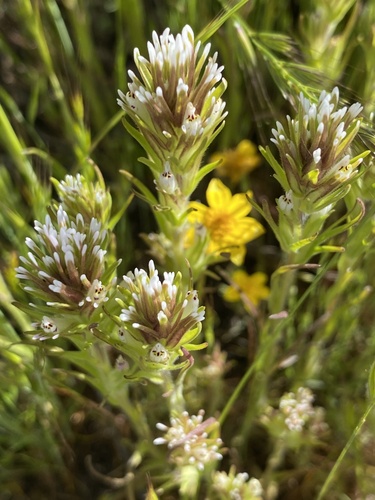
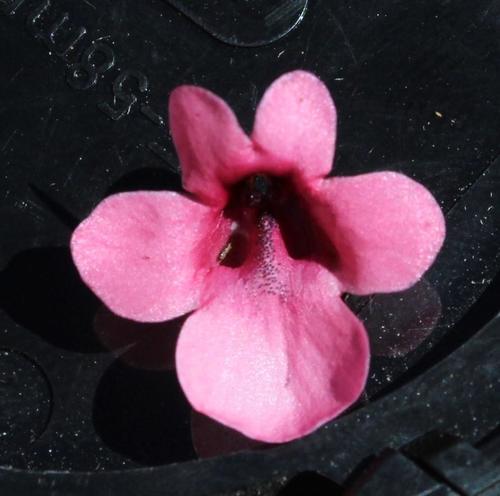
(c) Andy Jones, niektóre prawa zastrzeżone (CC BY-NC), przesłane przez użytkownika Andy Jones
iNaturalist· cc-by-nc
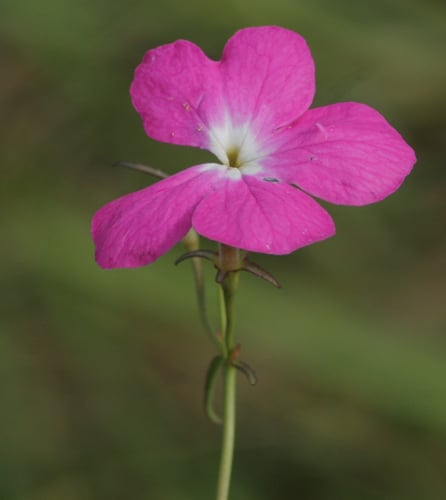
(c) Christian Gilli, niektóre prawa zastrzeżone (CC BY-NC), przesłane przez użytkownika Christian Gilli
Summary
Source: WikipediaBuddleja polystachya is a multi-branched shrub or occasionally small tree endemic to the semi-arid highlands flanking the Red Sea in Eritrea, Ethiopia, Saudi Arabia, Somalia and Yemen, where it grows in secondary scrub or around forest, often along watercourses, at elevations of between 2,200 and 3,600 m; its range extends southward into the highlands of Kenya and Tanzania. The species was named by Georg Fresenius in the early part of the 19th century.
Description
A shrub. It has many branches. It grows 4-5 m high. It can grow 12 m high. The bark is red brown or grey. The leaves are long and narrow. They are 15 cm long. The tip is pointed. The leaves are light grey-green on top. The flowers are on a long spike 20 cm long and the flowers are bright orange. The flowers are tube shaped and in small groups. The flowers have a bad smell. The fruit are small, dry orange capsules.
Edible Uses
The fruits are eaten raw, the leaves used as animal fodder.
Traditional Uses
The fruit are eaten raw.
This uses section is brief — help expand it
Distribution
It is a tropical plant. In Ethiopia it grows in the highlands in both dry and moist forests. It grows between 2,200-3,600 m altitude.
Where It Grows
Africa, East Africa, Ethiopia,
Cultivation
Plants can be grown by seed or cuttings.
Other Information
The fruit are eaten especially by children.
Notes
There are 90-100 Buddleja species. Also put in the family Buddlejaceae.
Also Known As
Anfar, Atquar, Madere
References (3)
- Ethiopia: Famine Food Field Guide. http://www.africa.upenn.edu/faminefood/category3.htm
- Lulekal, E., et al, 2011, Wild edible plants in Ethiopia: a review on their potential to combat food insecurity. Afrika Focus - Vol. 24, No 2. pp 71-121
- Molla, A., Ethiopian Plant Names. http://www.ethiopic.com/aplants.htm