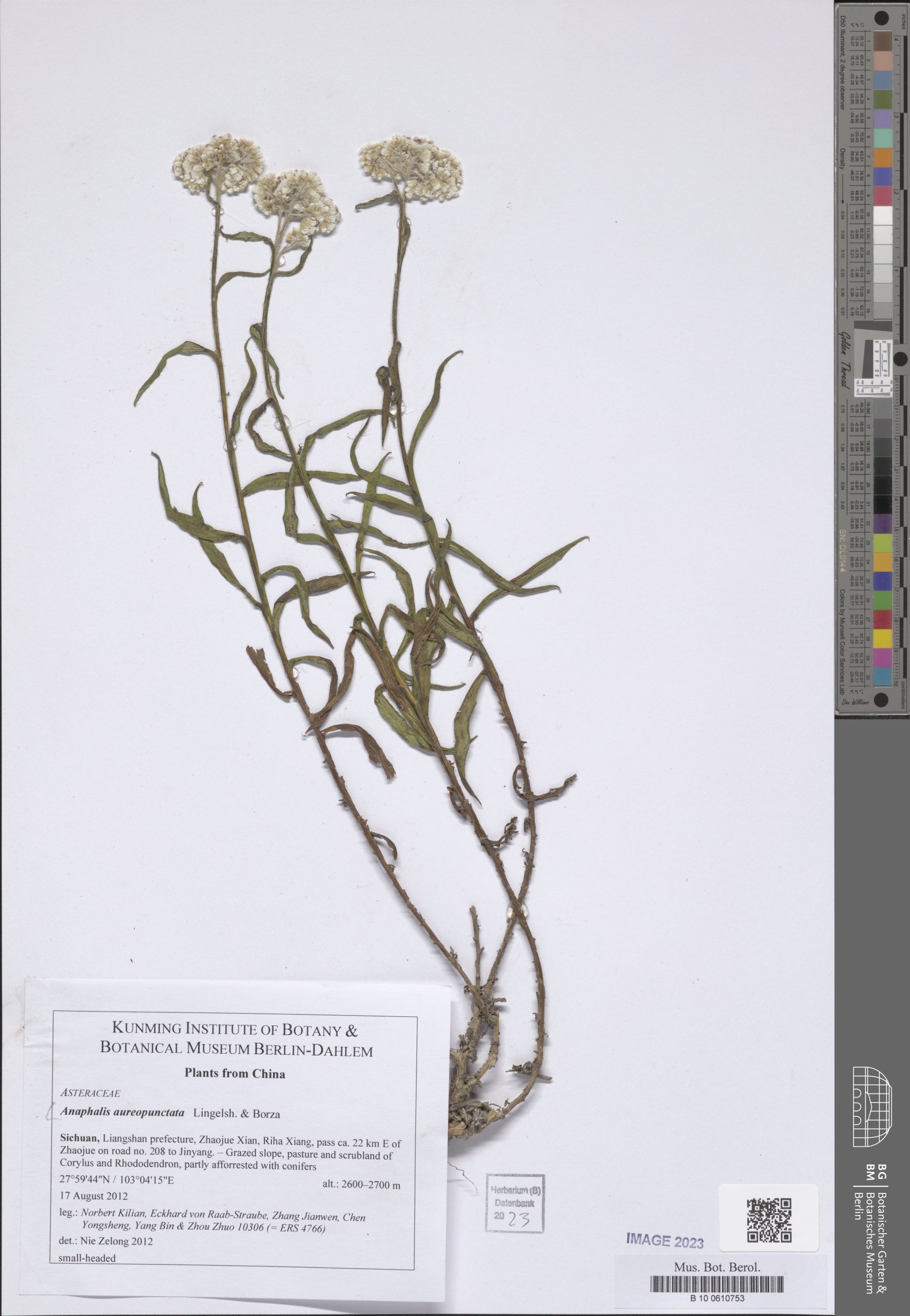
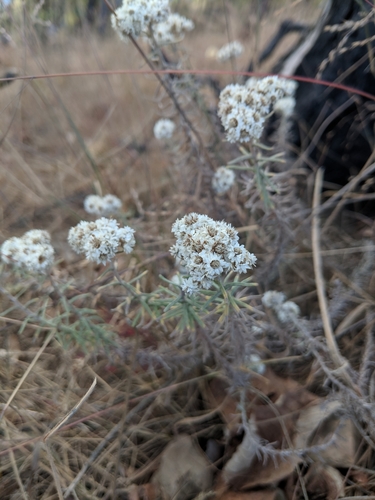
Guizotia scabra
(Vis.) Chiov.
iNaturalist· cc-by-nc
(c) Rino, some rights reserved (CC BY-NC), uploaded by Rino
iNaturalist· cc-by-nc
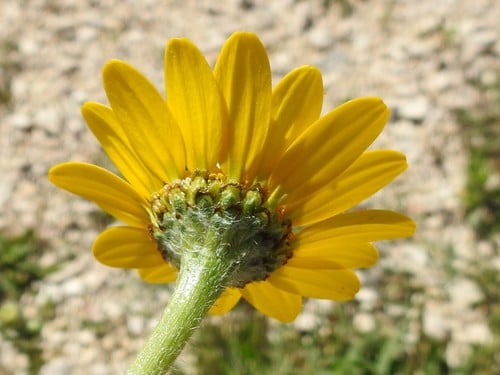
(c) Bart Wursten, some rights reserved (CC BY-NC)
Description
An erect herb or shrub. It grows 1-2 m high. It keeps growing from year to year. It can be smaller on poor soils. The stems often have short hairs. The leaves are opposite. They are 3-15 cm long. They are sword shaped with teeth along the edge. They are sticky to touch. The flower heads are 2-5 cm across. They are yellow. The fruit are dry and 2 mm long.
Edible Uses
Niger seeds are used for human consumption in the southern parts of India. In Karnataka, Andhra Pradesh and Maharashtra, niger seeds (called valisalu/valasulu in Telugu, uchellu/gurellu in Kannada, and karale in Marathi) are used to make a dry chutney, which is used as an accompaniment with breads such as chapati. They are also used as a spice in some curries. In Ethiopia, an infusion made from roasted and ground niger seeds, sugar and water is used in treating common colds.
Traditional Uses
The young leaves are eaten. They are harvested when young before flowering. They are also used in soups. The dry seeds are pounded and roasted and eaten also eaten raw. They are mixed with other vegetables.
Medicinal Uses
The plant is used in traditional medicine in DR Congo, Rwanda, Burundi and Uganda. The leaves are the part used most frequently, but the bark and roots are also employed at times. Among the diseases and ailments treated with this plant are: malaria, constipation, salmonella infection, ulcers, stomach-ache, dyspepsia, gastritis, enteritis, syphilis and gonorrhoea. A root decoction is drunk to prevent miscarriage.
Distribution
It is a tropical plant. In Ethiopia is grows at mid and high elevations. In Ethiopia it grows between 1,400-2,800 m altitude. It can grow up to 3,500 m. In Tanzania it grows between sea level and 1,200 m above sea level. It grows in areas with a rainfall between 1.100-1,700 mm. It grows in swampy areas and along streams. It can be in high rainfall grassland.
Where It Grows
Africa, Burundi, Cameroon, Central Africa, Congo, East Africa, Eritrea, Ethiopia, Kenya, Malawi, Middle East, Mozambique, Nigeria, Rwanda, South Africa, Southern Africa, Sudan, Tanzania, Uganda, West Africa, Yemen, Zambia, Zimbabwe,
Cultivation
Plants are grown from seed. Seeds often grow naturally after seasonal fires.
Other Uses
The stem fibres are used to make nets.
Production
It is fast growing. Seeds are collected late in the dry season. Leaves are collected in the rainy season.
Other Information
It is a cultivated food plant. It is a minor food plant.
Notes
There are 6 or 7 Guizotia species. They grow in East Africa in the mountains.
Synonyms
Also Known As
Akoko, Ekiteera-nkuba, Gagie, Hadaa, Igishikashike, Kinikini, Kyotabakaile, Mechi, Mpuishi, Nehuka, Nyamnina, Ridi, Tuufoo, Udda
References (13)
- Burkill, H. M., 1985, The useful plants of west tropical Africa, Vol. 1. Kew.
- Chapman, J. D. & Chapman, H. M., 2001, The Forest Flora of Taraba and Andamawa States, Nigeria. WWF & University of Canterbury. p 172
- Ethiopia: Famine Food Field Guide. http://www.africa.upenn.edu/faminefood/category1.htm
- Fowler, D. G., 2007, Zambian Plants: Their Vernacular Names and Uses. Kew. p 77
- Goode, P., 1989, Edible Plants of Uganda. FAO p 30
Show all 13 references Hide references
- Goode, P., 1989, Edible Plants of Uganda. FAO p 39
- Grivetti, L. E., 1980, Agricultural development: present and potential role of edible wild plants. Part 2: Sub-Saharan Africa, Report to the Department of State Agency for International Development. p 42
- Grubben, G. J. H. and Denton, O. A. (eds), 2004, Plant Resources of Tropical Africa 2. Vegetables. PROTA, Wageningen, Netherlands. p 308
- Guinand, Y., & Lemessa, D., 2000, Wild-food Plants in Southern Ethiopia. University of Pennsylvania - African Studies Center. UN-EUE Addis Ababa.
- Lulekal, E., et al, 2011, Wild edible plants in Ethiopia: a review on their potential to combat food insecurity. Afrika Focus - Vol. 24, No 2. pp 71-121
- Regassa, T., et al, 2014, Ethnobotany of Wild and Semi-Wild Edible Plants of Chelia District, West-Central Ethiopia. Science, Technology and Arts Research Journal. 3(4): 122-134
- Ruffo, C. K., Birnie, A. & Tengnas, B., 2002, Edible Wild Plants of Tanzania. RELMA p 358
- World Checklist of Useful Plant Species 2020. Royal Botanic Gardens, Kew