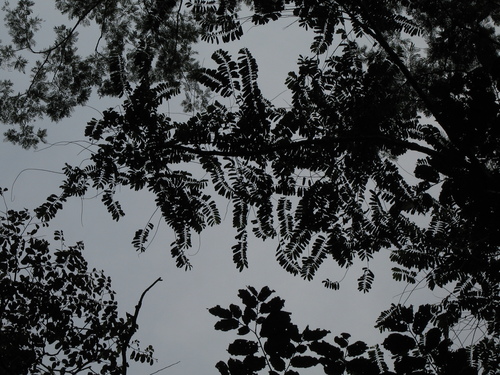
Zuelania guidonia
(Sw.) Britton & Millsp.
Carajon
iNaturalist· cc-by-nc
(c) José Humberto Castañón González, some rights reserved (CC BY-NC)
iNaturalist· cc-by-nc
(c) José Humberto Castañón González, some rights reserved (CC BY-NC)
iNaturalist· cc-by-nc
(c) José Humberto Castañón González, some rights reserved (CC BY-NC)
Description
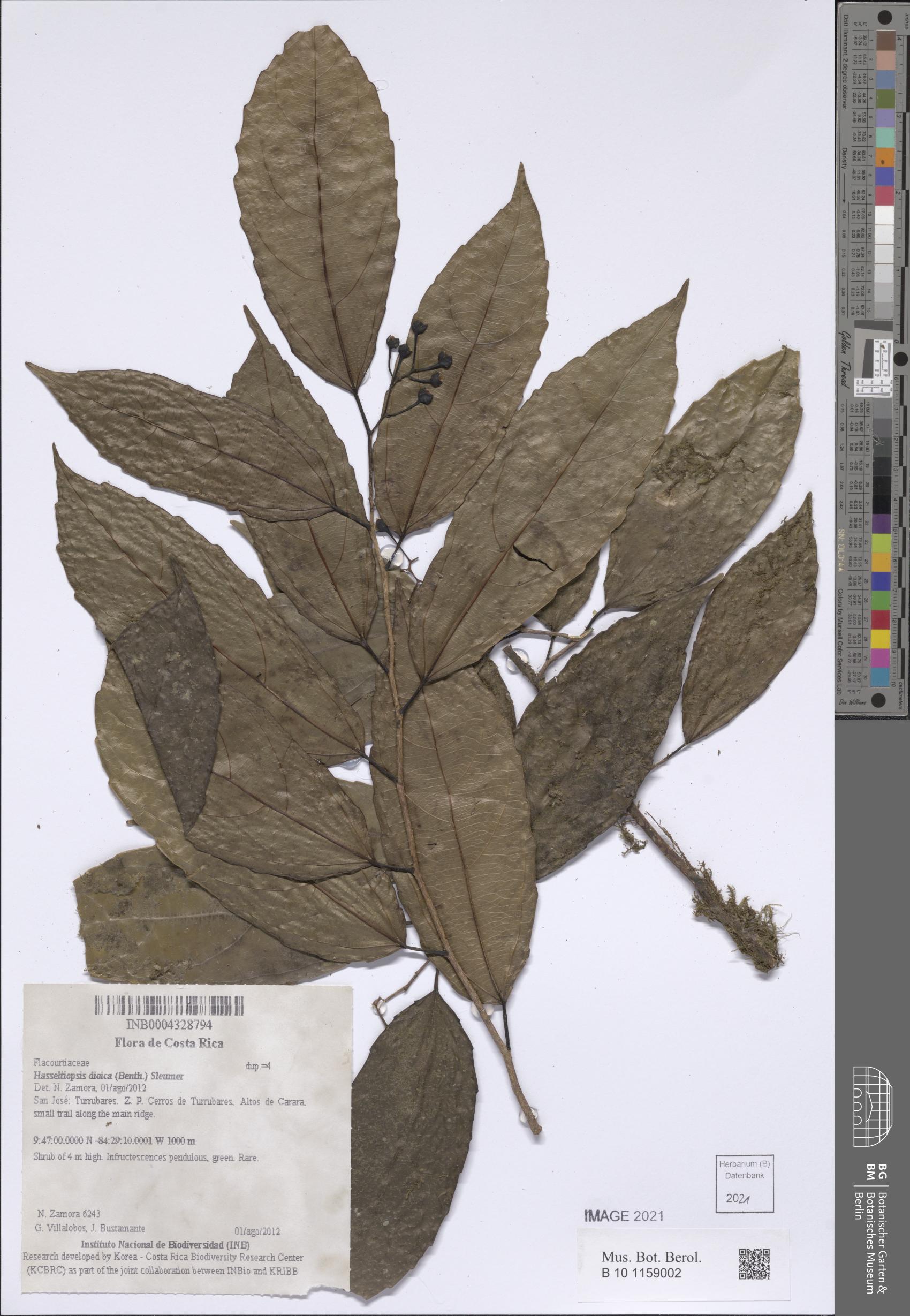
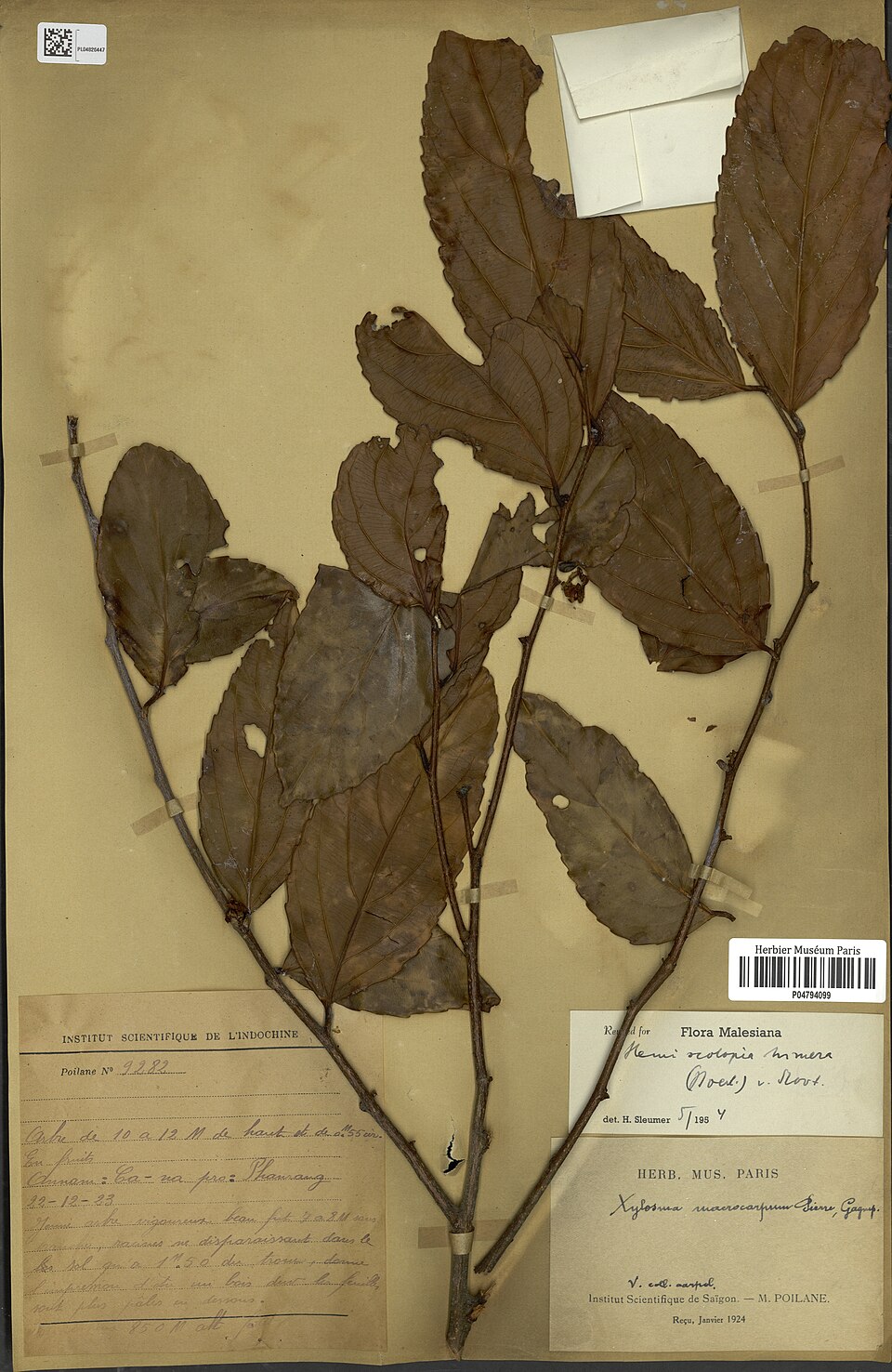
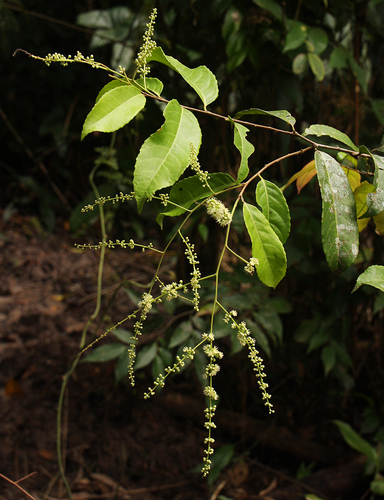
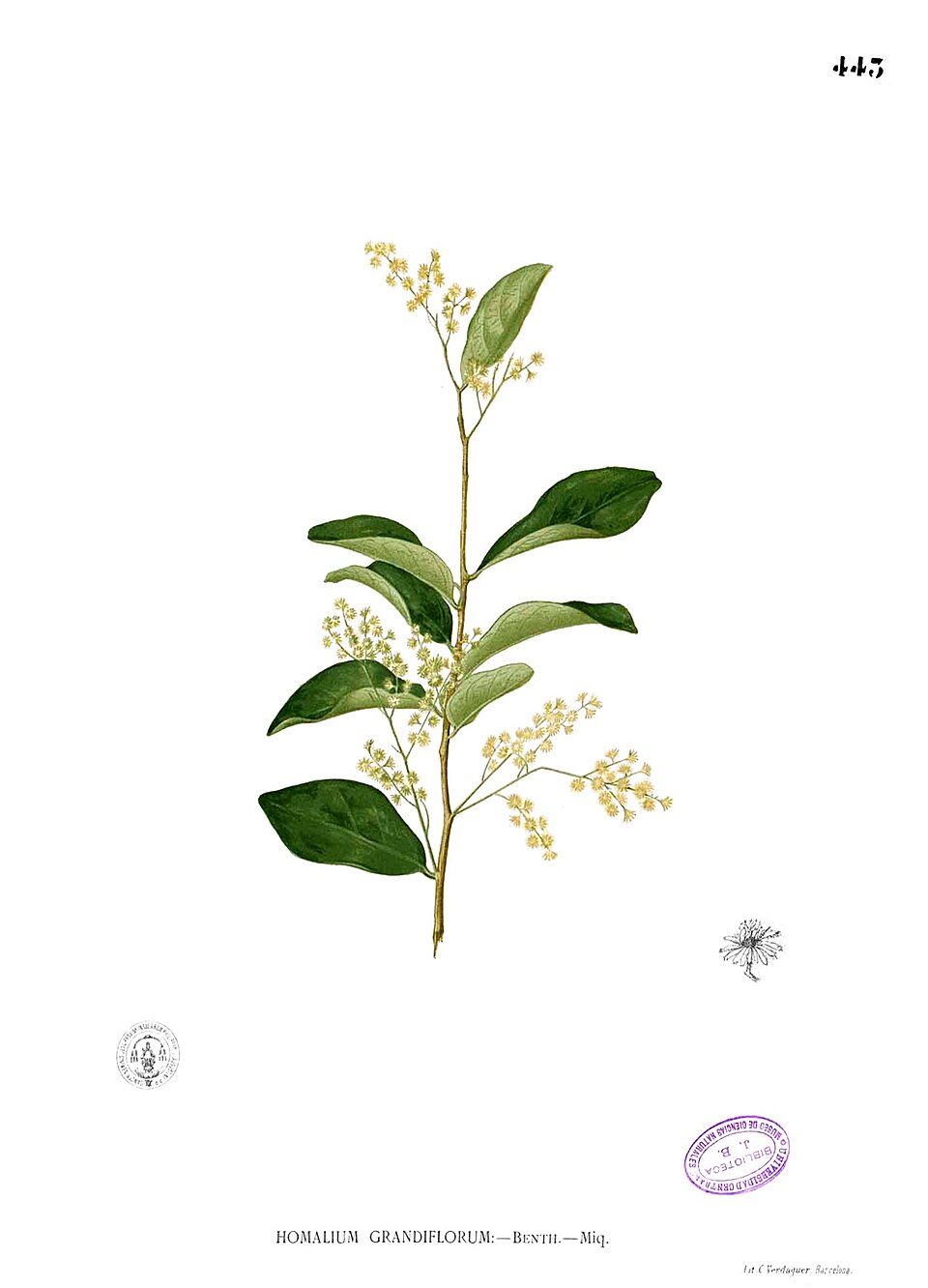
A medium sized tree. It grows 20-30 m high. The trunk is straight. The bark is brown with white cell spots. The leaves are alternate and regularly spaced. There can be fine teeth along the edge. The leaves are hairy underneath with red veins. Leaves turn yellow and fall off in the dry season. The flowers are white and in clusters along the branches. The fruit is a round capsule. It is 5 cm across. It splits open with seeds surrounded by a red covering.
Edible Uses
The fruit is cooked before eating.
Traditional Uses
The fruit are cooked then eaten.
This uses section is brief — help expand it
Medicinal Uses
A gum obtained from the stem is emetic. The abundant, clear resin which exudes from incisions made in the trunk, is said to have great medicinal virtues. A decoction of the bark is used as a remedy for amenorrhea.
Distribution
It is a tropical plant. It grows in dry areas.
Where It Grows
Bahamas, Belize, Central America, Colombia, Costa Rica, Cuba, El Salvador, Guatemala, Haiti, Honduras, Jamaica, Mexico, Nicaragua, North America, Panama, South America, Trinidad and Tobago, Venezuela, West Indies,
Cultivation
A plant of mainly low elevations in the tropics, though it can be found at elevations up to 1,500 metres. The flowers are very attractive to bees - the plant has great potential as a bee fodder crop for apiarists. One of the common names for the plant is 'turds', which apparently refers to the similarity between the green fruit and horse excreta.
Other Uses
The heartwood is a browny white; the sapwood nearly white in a thick layer. The wood is hard, heavy, very tough and strong, close-grained, durable in contact with the soil and taking a good polish. It is considered of little use, but is sometimes employed for fence posts. The wood splits easily and is said to burn readily, even when freshly cut.
Notes
Also put in the Flacourtiaceae family.
Synonyms
Also Known As
Arbol caspa, Dandruff tree, Carano, Oermetrina, Paragua, Tamay, Volador
References (4)
- Grandtner, M. M., 2008, World Dictionary of Trees. Wood and Forest Science Department. Laval University, Quebec, Qc Canada. (Internet database http://www.wdt.qc.ca)
- Grandtner, M. M. & Chevrette, J., 2013, Dictionary of Trees, Volume 2: South America: Nomenclature, Taxonomy and Ecology. Academic Press p 715
- Plants of Haiti Smithsonian Institute http://botany.si.edu/antilles/West Indies
- Steggerda, M., Some Ethnological Data Concerning One Hundred Yucatan Plants. Smithsonian Institution Anthropological Papers, No. 29