Toxicodendron griffithii
(Hook.f.) Kuntze
gbif· cc0
President and Fellows of Harvard College
gbif· cc0
President and Fellows of Harvard College
Description
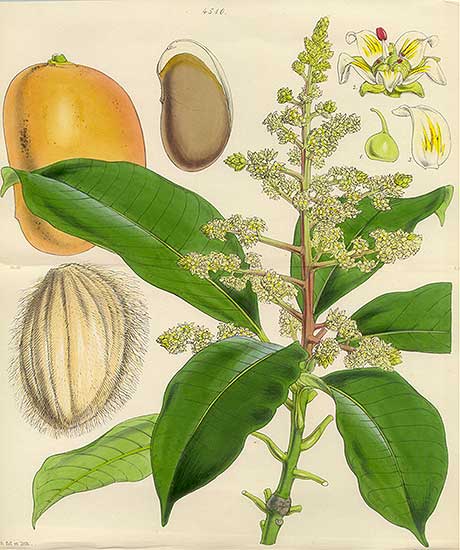
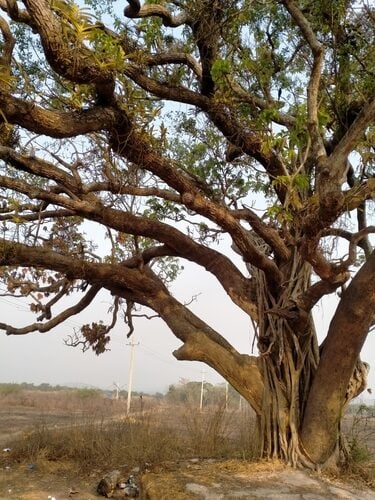
A small tree. The leaf stalk is 6-9 cm long. The leaves are compound. They are about 25-50 cm long. They have leaflets along the stalk and one at the end. There are 7-11 leaflets that are opposite and 9-25 cm long by 4-8 cm wide. They have rusty hairs underneath. The flower panicles are 13-22 cm long. The fruit is small and fleshy. It is 8-10 mm across.
Edible Uses
Young leaves are eaten as a vegetable.
Traditional Uses
Young leaves are eaten as a vegetable.
This uses section is brief — help expand it
Known Hazards
This species belongs to Anacardiaceae (cashew family), which is known to contain urushiol oils that cause allergic contact dermatitis in many people.
Distribution
It is a subtropical plant. It grows in hill and mountain forests between 1,400-2,500 m above sea level in south China. In Yunnan.
Where It Grows
Asia, China, India, Northeastern India,
Synonyms
Also Known As
Bhalayo, Darmi-asing
References (2)
- Ambasta S.P. (Ed.), 2000, The Useful Plants of India. CSIR India. p 523 (As Rhus griffithii)
- Patiri, B. & Borah, A., 2007, Wild Edible Plants of Assam. Geethaki Publishers. p 34 (As Rhus griffithii)