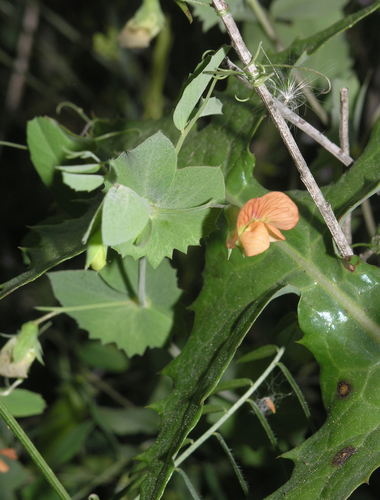
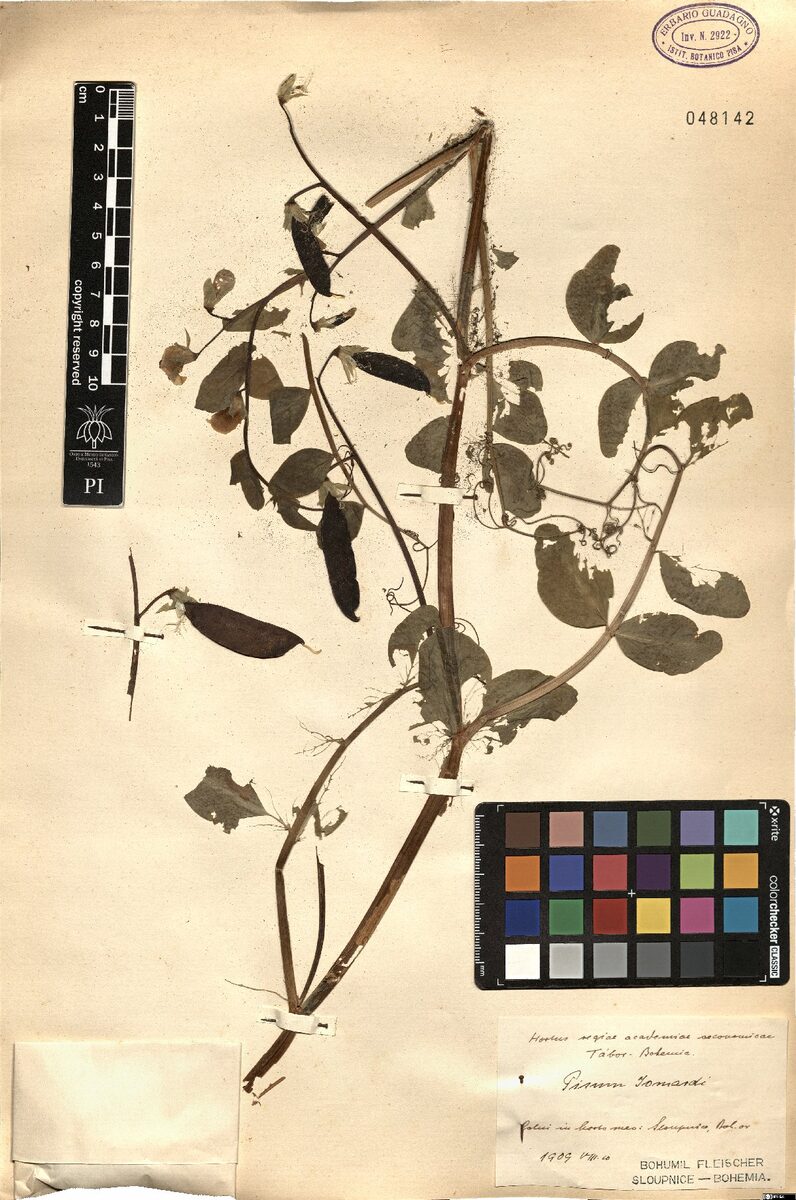
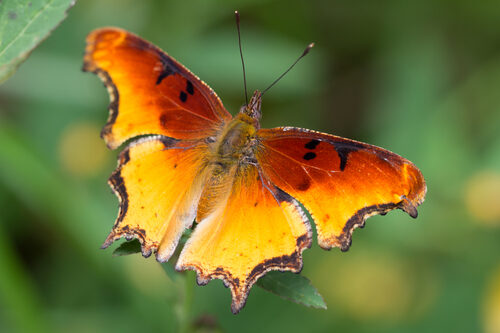
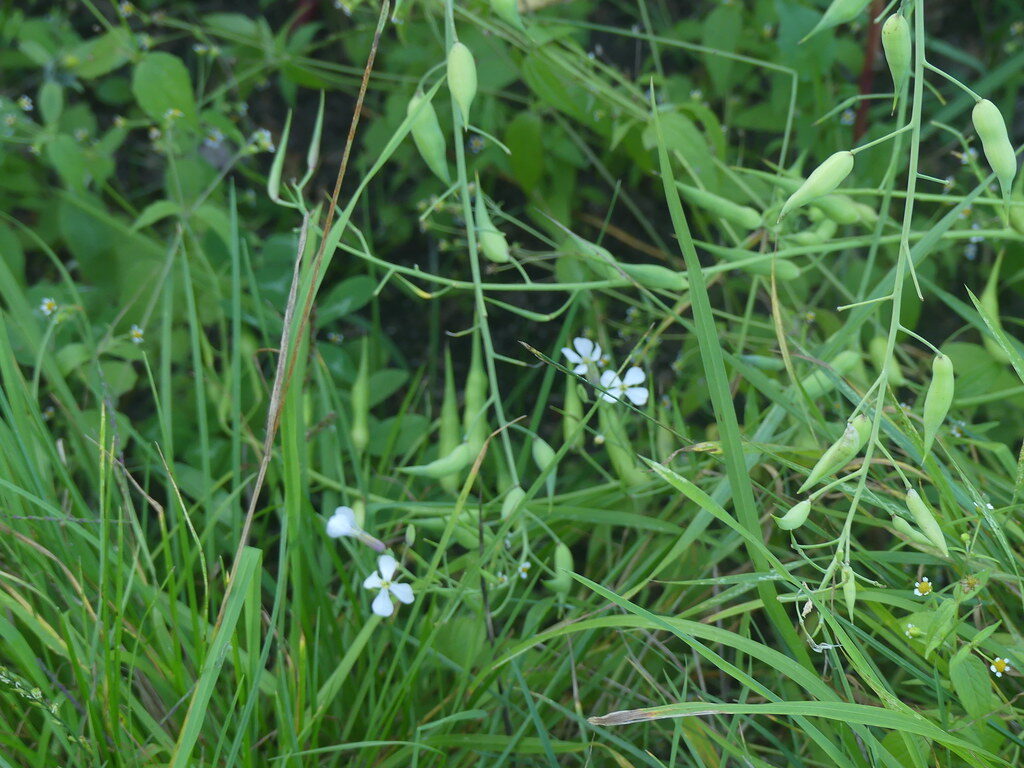
Pseudosamanea guachapele
(Kunth) Harms
Guachapele false samanea
iNaturalist· cc-by-nc
(c) JOSE JAVIER MAY CHAN, some rights reserved (CC BY-NC), uploaded by JOSE JAVIER MAY CHAN
iNaturalist· cc-by-nc
(c) Carlos Domínguez-Rodríguez, some rights reserved (CC BY-NC)
iNaturalist· cc-by-nc
(c) Carlos Domínguez-Rodríguez, some rights reserved (CC BY-NC)
Description
A tall tree. The bark is a light colour and deeply cracked into long plates. The leaves are twice divided. The secondary leaflets get larger along the stalk. The flowers are white in round heads.
Distribution
It is a tropical plant. It grows in re-growth forest.
Where It Grows
Amazon, Belize, Bolivia, Brazil, Central America, Colombia, Costa Rica, Ecuador, El Salvador, Guatemala, Honduras, Mexico, Nicaragua, North America, Panama, Peru, South America, Venezuela,
Notes
Also as Mimosaceae.
Synonyms
Also Known As
Cadeno, Carreto, Cedrillo, Cedro amarillo, Cenicero, Cenizero, Frijolillo, Gavilan, Genizaro saman, Guachapeli, Guaramillo, Igu, Lagarto, Laguarto, Lara blanca, Llamo, Masaguaro, Mauna, Memble, Naumo, Nauno, Nogal, Piquin, Roble amarillo, Saman igu, Saman masaguaro, Tabaca, Tepanahuaste, Zorillo
References (4)
- Condit, R., et al, 2011, Trees of Panama and Costa Rica. Princeton Field Guides. p 210
- Grandtner, M. M., 2008, World Dictionary of Trees. Wood and Forest Science Department. Laval University, Quebec, Qc Canada. (Internet database http://www.wdt.qc.ca)
- Grandtner, M. M. & Chevrette, J., 2013, Dictionary of Trees, Volume 2: South America: Nomenclature, Taxonomy and Ecology. Academic Press p 544
- Kew Plants of the World Online