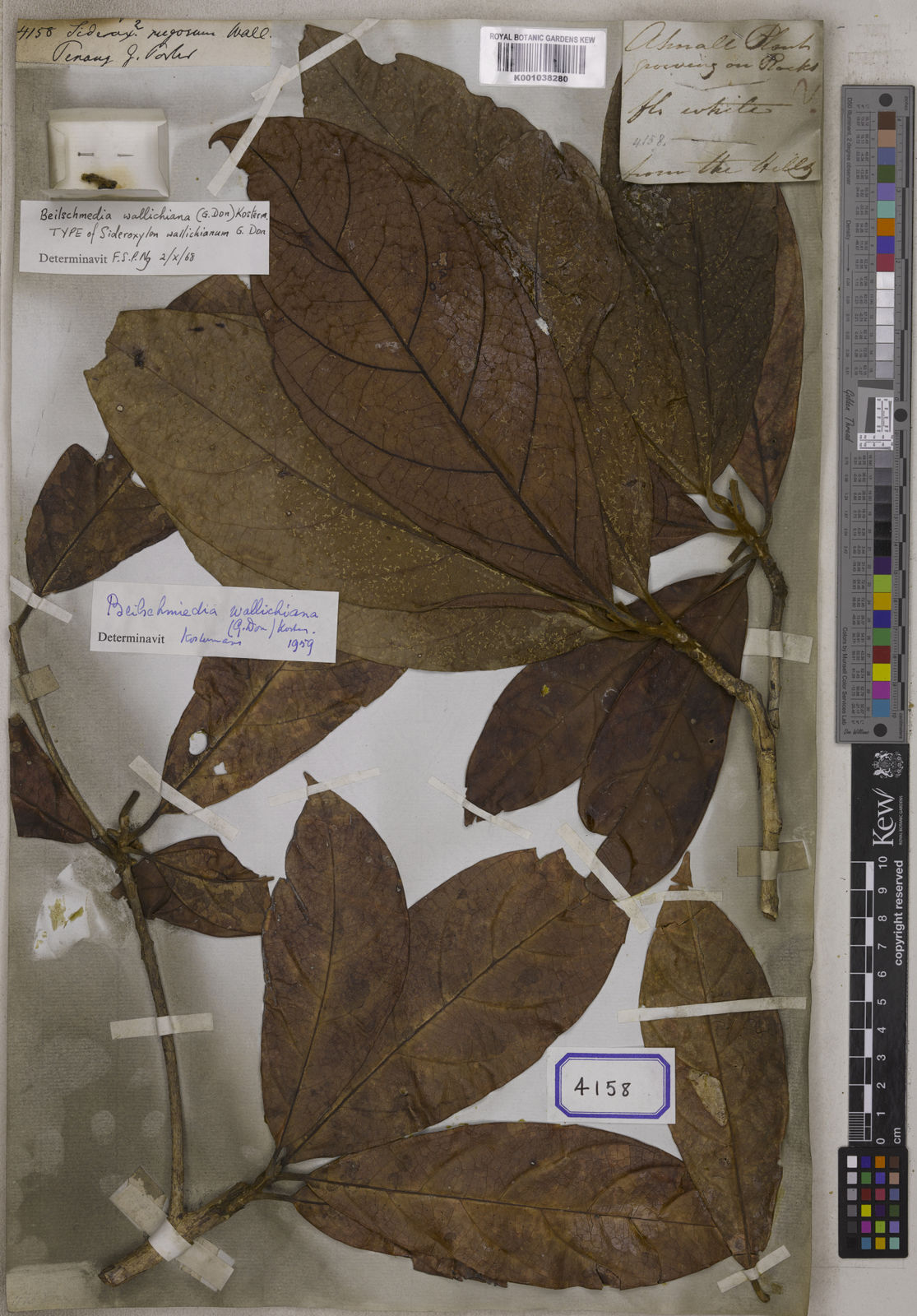
Chrysophyllum argenteum subsp. panamense
Jacq., (Pittier) T. D. Penn.
Panama wild star apple
gbif· cc-by
Royal Botanic Gardens, Kew
gbif· cc-by
Royal Botanic Gardens, Kew
gbif· cc-by
Royal Botanic Gardens, Kew
Summary
Source: WikipediaChrysophyllum argenteum is a tree in the family Sapotaceae, native to the tropical Americas.
Description
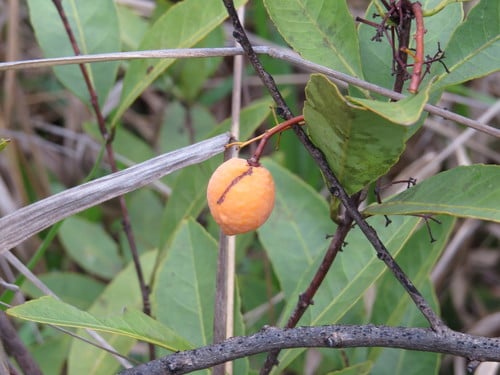
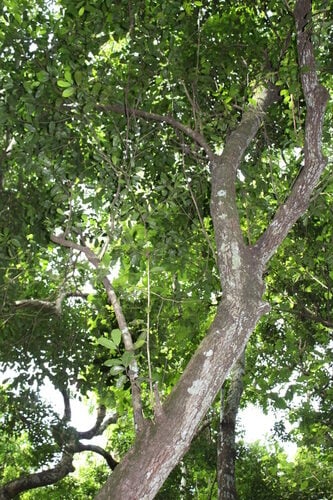
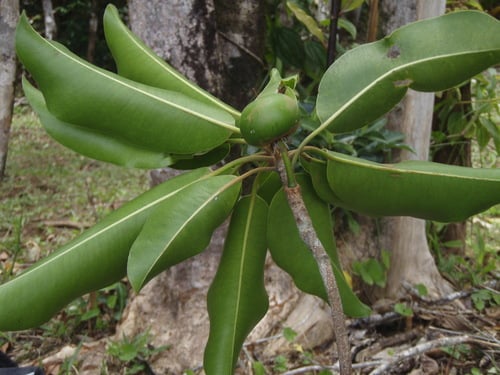
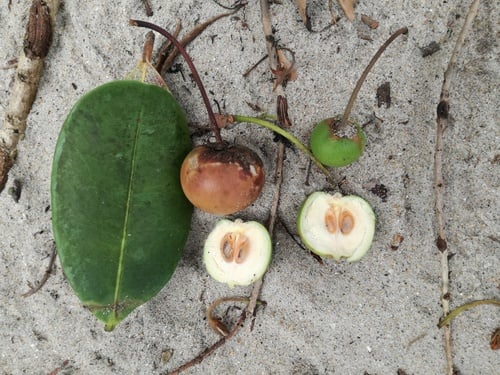
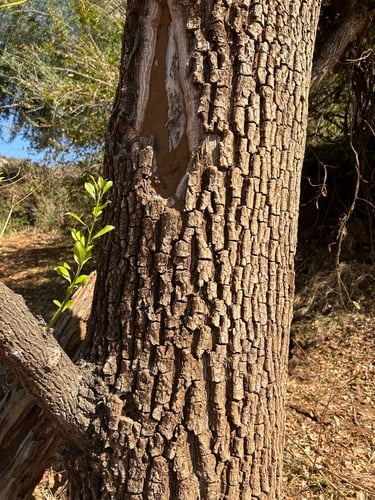
A tall tree. There can be small buttresses. The leaves are simple and alternate. They are shiny and paler green underneath. The flowers are small and yellow. They are clustered along the branches. The fruit are soft and fleshy. They turn purple when ripe.
Edible Uses
The fruit is eaten raw.
Traditional Uses
The fruit are eaten raw.
This uses section is brief — help expand it
Distribution
It is a tropical plant. It grows in lowland moist and wet forest.
Where It Grows
Amazon, Andes, Central America, Colombia, Costa Rica, Ecuador, Honduras, Nicaragua, Panama, Peru, South America, Venezuela,
Other Information
It is cultivated.
Synonyms
Also Known As
Cafecillo, Caimito de monte, Caimito morado, Caimito silvestre, Carbonero, Cupijualuchi, Guanabana, Jacha cabuchi, Ka'tse, Yawekenkawe
References (8)
- Condit, R., et al, 2011, Trees of Panama and Costa Rica. Princeton Field Guides. p 434
- Galeano, G., 2000, Forest Use at the Pacific Coast of Choco, Colombia: A Quantitative Approach. Economic Botany, Vol. 54, No. 3, pp. 358-376 (Subsp. not noted)
- Grandtner, M. M., 2008, World Dictionary of Trees. Wood and Forest Science Department. Laval University, Quebec, Qc Canada. (Internet database http://www.WDT.QC.ca)
- Grandtner, M. M. & Chevrette, J., 2013, Dictionary of Trees, Volume 2: South America: Nomenclature, Taxonomy and Ecology. Academic Press p 129
- Kermath, B. M., et al, 2014, Food Plants in the Americas: A survey of the domesticated, cultivated and wild plants used for Human food in North, Central and South America and the Caribbean. On line draft. p 223
Show all 8 references Hide references
- Penafield Anchundia, D. D., 2017, Traditional food consumption and its nutritional contribution in Guasaganda, Central Ecuador. PhD Ghent University p 72
- Torre, de la, L., et al, 2008, Enciclopedia de las Plantas Útiles del Ecuador. Herbario QCA. Pontificia Universidad Católica del Ecuador. p 569
- Van den Eynden, V., et al, 2003, Wild Foods from South Ecuador. Economic Botany 57(4): 576-603