Calliandra houstoniana var. calothyrsus
(Meisn.) Barneby
Angel's hair, Red calliandra tree
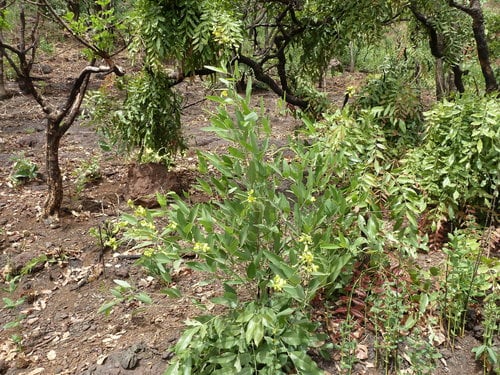
iNaturalist· cc-by-nc
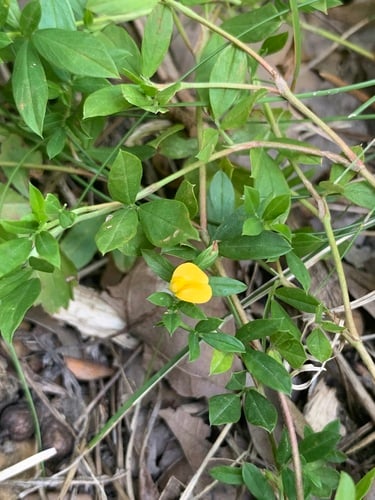
(c) Qinthan, some rights reserved (CC BY-NC), uploaded by Qinthan
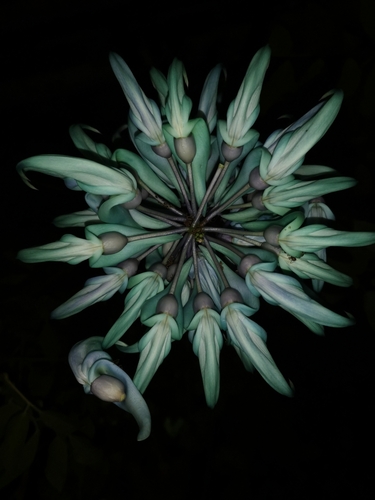
iNaturalist· cc-by-nc
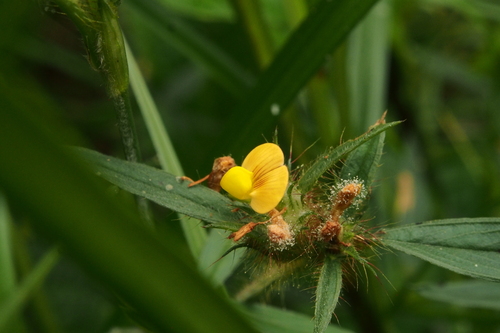
(c) Carlos Galindo-Leal, some rights reserved (CC BY-NC), uploaded by Carlos Galindo-Leal
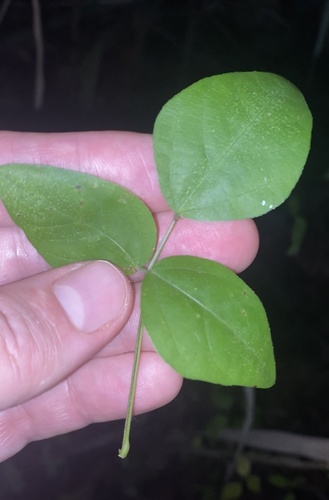
iNaturalist· cc-by-nc
(c) Alfonso Gutiérrez Aldana, some rights reserved (CC BY-NC), uploaded by Alfonso Gutiérrez Aldana
Summary
Source: WikipediaCalliandra houstoniana is a species of flowering plants of the genus Calliandra in the family Fabaceae.
Description
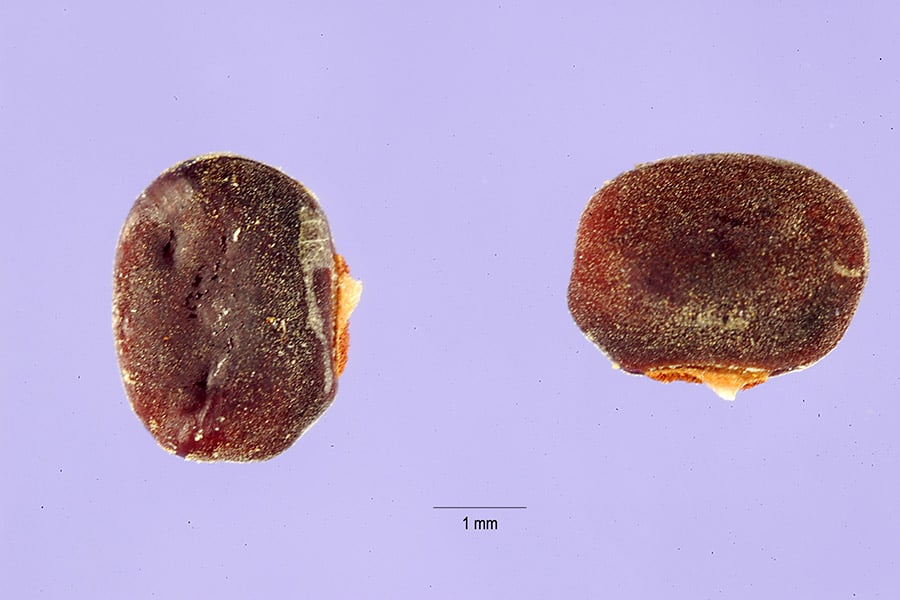
A shrub or small tree. It grows 12 m tall. The trunk has red or grey bark. It is covered with small pale oval spots. The leaves are twice divided with 15-20 pairs of pinnae. The flowers are pink. The fruit is a pod 8-11 cm long. There are 3-15 seeds.
Edible Uses
The plant produces honey and is eaten by livestock, rabbits, and poultry, though it is high in tannin.
Traditional Uses
Caution: It is probably only eaten by livestock, rabbits and poultry. It is high in tannin. It is a good honey producing tree.
This uses section is brief — help expand it
Medicinal Uses
The Aztecs called this plant the Tlacoxiloxochitl, and used it to aid in coughs. From An Aztec Herbal: "If one is troubled by a cough, let him forthwith sip the boiled liquor of the tlaco-xilo-xochitl root skinned and ground up in water; using a part of this, with honey, to anoint the throat. If he spits blood also, let him take the same liquor as a drink before meals. It would help if he gnawed and chewed some of the said root, with honey. The root of the herb called tzopelica-cococ, ground in tepid water is also of value for one with a cough; let him either drink the liquor or gnaw the root."
Distribution
It is a tropical plant.
Where It Grows
Africa, Asia, Australia, Belize, Central America*, Colombia, Costa Rica, East Africa, El Salvador, French Guiana, Guianas, Guatemala, Honduras, Indonesia, Mexico, Nicaragua, North America, Panama, SE Asia, Slovenia, South America, Suriname, West Indies*, Zimbabwe,
Cultivation
Plants can be grown by seeds or cuttings. It can be used as a good legume mulch for maize and other crops.
Production
It is fast growing.
Notes
There are about 200 Calliandra species. Also in Mimosaceae.
Synonyms
Also Known As
Pohon kaliandra merah
References (5)
- Bodkin, F., 1991, Encyclopedia Botanica. Cornstalk publishing, p 193 (not var.)
- Grandtner, M. M., 2008, World Dictionary of Trees. Wood and Forest Science Department. Laval University, Quebec, Qc Canada. (Internet database http://www.WDT.QC.ca)
- ILDIS Legumes of the World http:www;ildis.org/Legume/Web (As Calliandra calothyrsus)
- Mtambanengwe, F., et al, 2006, Comparative short-term effects of different quality organic resources on maize productivity under two different environments in Zimbabwe. Nutrient Cycling in Agroecosystems (2006) 76:271–284 (As Calliandra calothyrsus)
- Sukarya, D. G., (Ed.) 2013, 3,500 Plant Species of the Botanic Gardens of Indonesia. LIPI p 169 (As Calliandra calothyrsus)