Brosimum lactescens
(S. Moore) C. C. Berg.
Milky breadnut tree
iNaturalist· cc-by-nc
(c) Marvin López M., some rights reserved (CC BY-NC), uploaded by Marvin López M.
iNaturalist· cc-by
(c) Fabrício Mil Homens Riella, some rights reserved (CC BY), uploaded by Fabrício Mil Homens Riella
Description
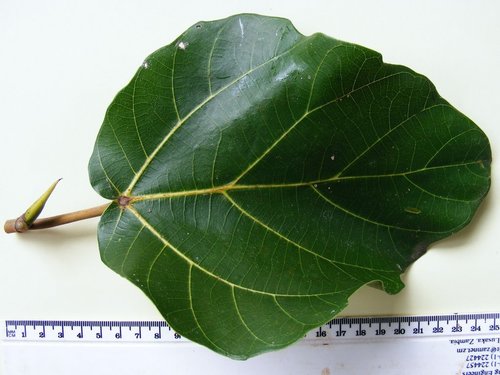
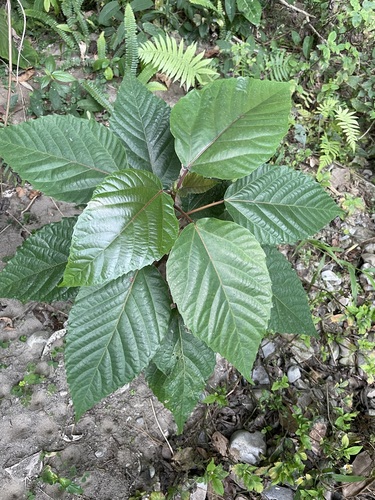
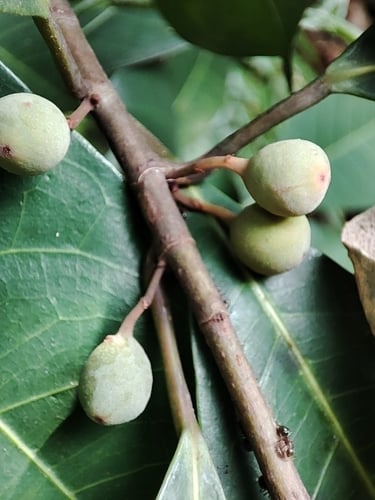
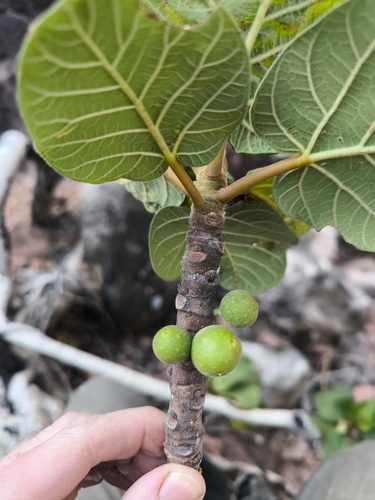
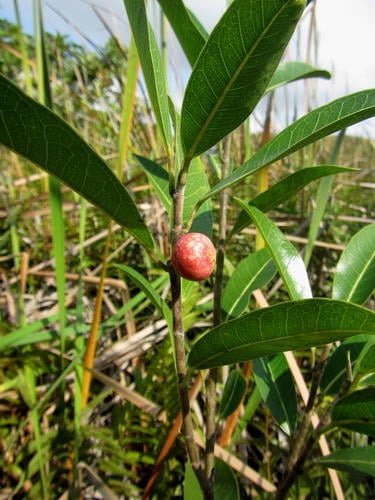
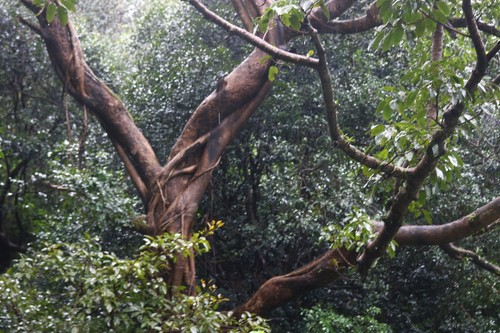
A large tree. It can grow 50 m high. It has buttresses. The fruit is slightly flattened and 1.7 cm long by 2.1 cm across. The seed is round and 1 cm across
Edible Uses
The fruit is eaten and the tree is sold in local markets.
Distribution
It is a tropical plant. It grows in the Amazon in both upland and floodplain forests. It can grow in partly flooded areas. It grows in the lowlands and up to 1,600 m above sea level.
Where It Grows
Amazon, Belize, Bolivia, Brazil*, Central America, Colombia, Costa Rica, Ecuador, El Salvador, Guatemala, Guiana, Guianas, Guyana, Honduras, Nicaragua, Panama, Peru, South America, Suriname, Venezuela,
Production
Fruit are harvested from the ground. Thousands of fruit can be produced on one tree. Fruit are ripe at the end of the rainy season.
Other Information
It is sold in local markets.
Synonyms
Also Known As
Arbol vaca, Ardilla caspi, Ayo, Capinuri de altura, Caucho, Gomalina, Inhare, Leiteira, Maca nui, Machinga, Motelo kaspi, Muiratinga, Murure, Nui, Quecho colorado, Sacha paparu, Samuna yura, Tamamuri, Tanamuri, Virila negra, Vivilla, Yarasillo
References (10)
- Grandtner, M. M., 2008, World Dictionary of Trees. Wood and Forest Science Department. Laval University, Quebec, Qc Canada. (Internet database http://www.WDT.QC.ca)
- Grandtner, M. M. & Chevrette, J., 2013, Dictionary of Trees, Volume 2: South America: Nomenclature, Taxonomy and Ecology. Academic Press p 72
- Kermath, B. M., et al, 2014, Food Plants in the Americas: A survey of the domesticated, cultivated and wild plants used for Human food in North, Central and South America and the Caribbean. On line draft. p 149
- Lopez-Diago, D. & Garcia, N., 2021, Wild edible fruits of Colombia. Biota ColomBiana 22 (2) p 43
- Philips, O., 1992, The potential for harvesting fruits in tropical rainforests: new data from Amazonian Peru. Biodiversity and Conservation 2, 18-38
Show all 10 references Hide references
- Reis, S. V. and Lipp, F. L., 1982, New Plant Sources for Drugs and Foods from the New York Botanical Garden herbarium. Harvard. p 40
- Roa, J. A. G. & Boada, D. S. G., 2018, Fundación para el Fortalecimiento de la Fruticultura y Plantas Alimenticias no Convencionales en Colombia.
- Smith, N., et al, 2007, Amazon River Fruits. Flavors for Conservation. Missouri Botanical Gardens Press. p 184
- Torre, de la, L., et al, 2008, Enciclopedia de las Plantas Útiles del Ecuador. Herbario QCA. Pontificia Universidad Católica del Ecuador. p 447
- Vasquez, R. and Gentry, A. H., 1989, Use and Misuse of Forest-harvested Fruits in the Iquitos Area. Conservation Biology 3(4): 350f