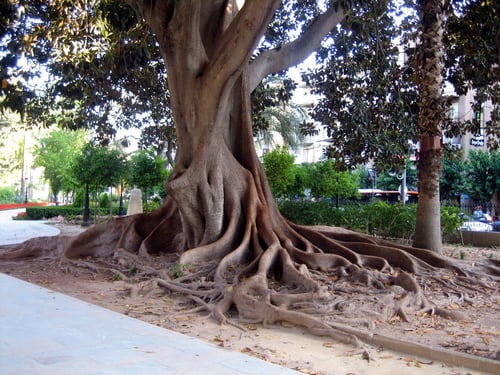
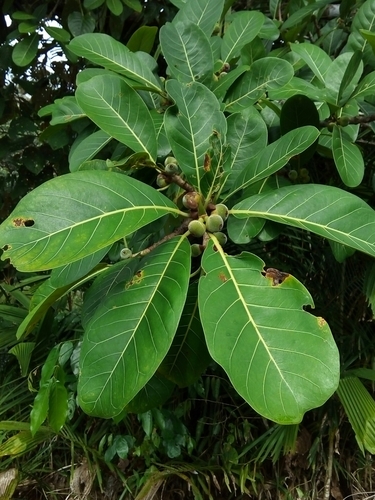
Clarisia racemosa
Ruiz. et Pav.
iNaturalist· cc-by-nc
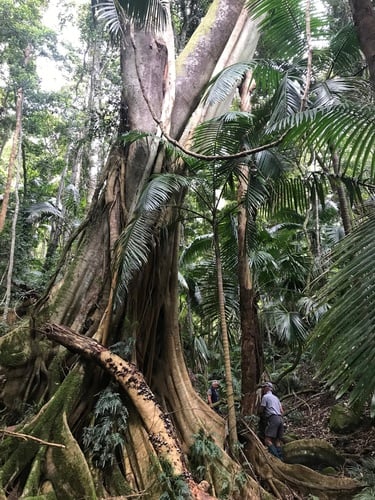
(c) C. E. Timothy Paine, some rights reserved (CC BY-NC)
iNaturalist· cc-by-nc
(c) Geovane Siqueira, some rights reserved (CC BY-NC)
Summary
Deciduous tree growing to 25m tall and 20m wide at medium rate. Hardy to UK zone 10. Not self-fertile. Requires well-drained medium loamy or heavy clay soils with mildly acid to mildly alkaline pH. Tolerates semi-shade to full sun and prefers moist soil.
Description
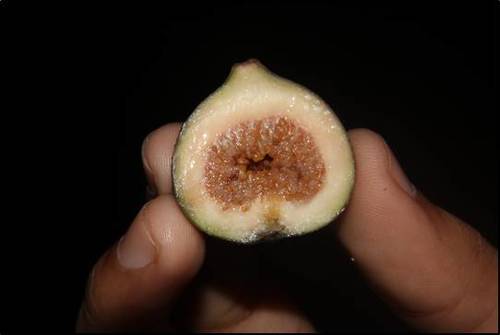
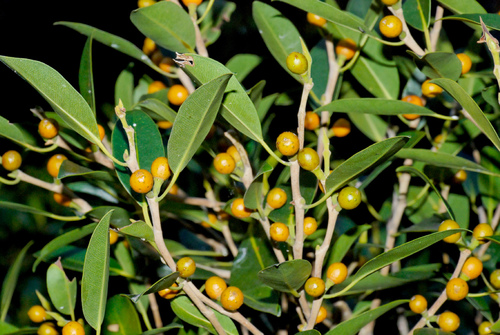
A tree. It grows 40 m high. It has white latex. The bark peels off revealing orange. The male flowering shoots are usually in pairs. The fruit is oval or pear shaped. It is 4 cm long by 2.3 cm wide. It can be yellow, orange or red. The fruit stalk is fleshy and edible. The seeds are narrowly oval and 2.8 cm long by 1.8 cm wide. They are fairly soft.
Edible Uses
The fleshy fruit stalk is edible.
Medicinal Uses
None known
Distribution
It is a tropical plant. It grows in upland rainforest.
Where It Grows
Amazon, Bolivia, Brazil, Colombia, Guianas, Peru, South America, Suriname, Venezuela,
Cultivation
Young plants grow best in the dappled shade of the woodland, becoming more light tolerant as they grow larger. Prefers a clayey soil. Young trees have a moderate rate of growth. A dioecious species, both male and female forms need to be grown if fruit and seed are required.
Propagation
Sow seed as soon as it is ripe in a partially shaded position, placing 2–3 seeds per individual container. Germination rates are low, with sprouting typically occurring within 40–60 days.
Other Uses
The tree yields a valuable timber and is commonly harvested from the wild for this purpose. The heartwood is bright yellow, turning brown or russet with exposure but retaining a golden lustre; it is clearly demarcated from the white sapwood, which forms a band 2–5cm wide. The texture is medium to coarse, with variable grain that is often distinctly roey and produces an attractive figure; dry wood has no distinctive odour or taste. The timber is moderately heavy and hard, very durable except when in contact with soil, and highly resistant to dry wood borers and termites. It seasons well with only slight risk of checking or distortion, and is moderately stable to stable once dry. It is easy to work, though its high blunting effect means stellite-tipped or tungsten carbide tools are recommended; it rates fair to good across all machining operations. Cross-grained material requires sharp tools for a smooth finish; fresh wood saws woolly; it does not take nails and screws well, but glues and stains satisfactorily. The wood is suitable for high-class furniture, cabinet work, panelling, joinery, tool handles, flooring, general construction, and laminates.
Synonyms
Also Known As
Guariuba amarela
References (5)
- Lopez-Diago, D. & Garcia, N., 2021, Wild edible fruits of Colombia. Biota ColomBiana 22 (2) p 43
- NYBG herbarium "edible"
- Philips, O., 1992, The potential for harvesting fruits in tropical rainforests: new data from Amazonian Peru. Biodiversity and Conservation 2, 18-38
- Roa, J. A. G. & Boada, D. S. G., 2018, Fundación para el Fortalecimiento de la Fruticultura y Plantas Alimenticias no Convencionales en Colombia.
- van Roosmalen, M.G.M., 1985, Fruits of the Guianan Flora. Utrecht Univ. & Wageningen Univ. p 300