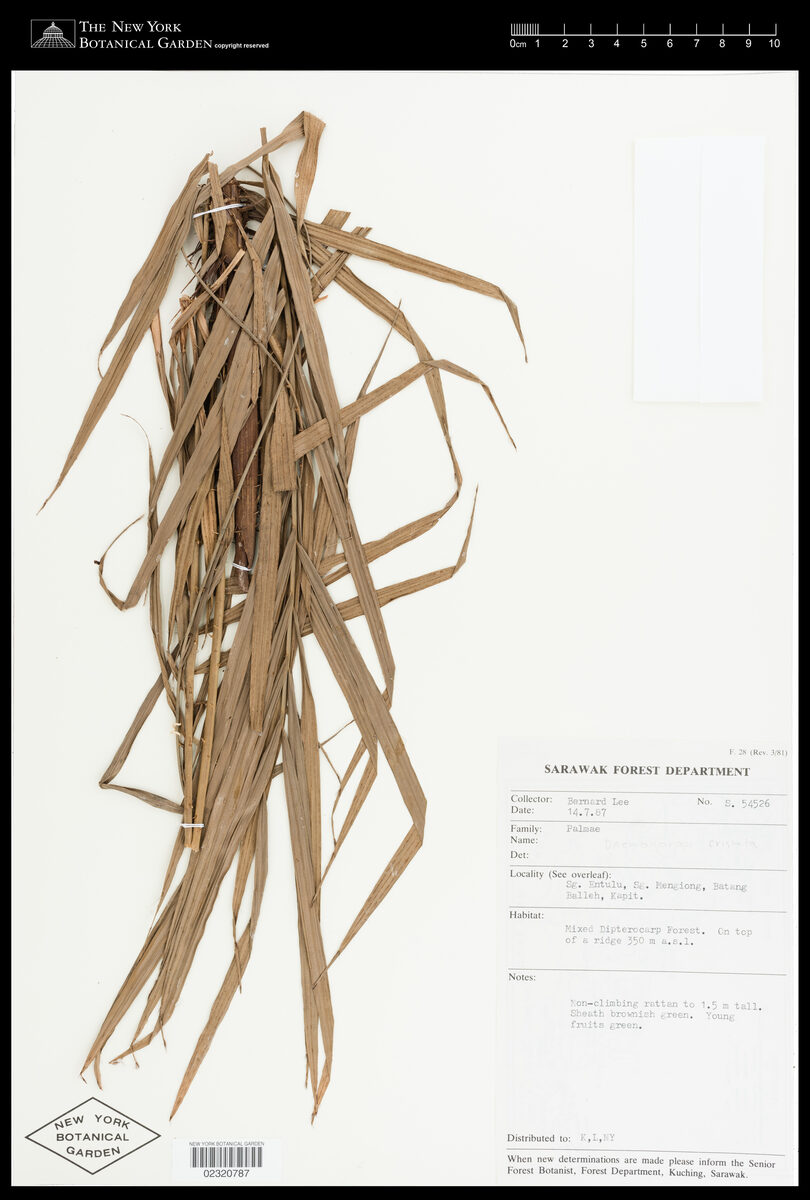
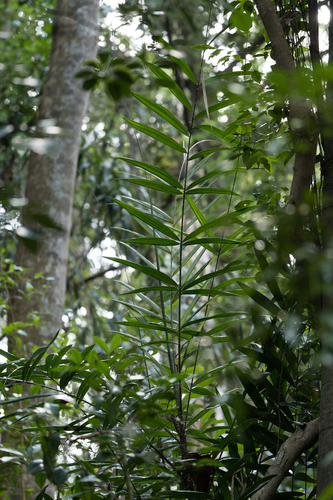
Pinanga tashiroi
Hayata
iNaturalist· cc-by-nc
(c) Chang Zhi Xiang, some rights reserved (CC BY-NC)
iNaturalist· cc-by-nc
(c) BunnyTailGra22 | 兔尾草, some rights reserved (CC BY-NC)
Summary
Source: WikipediaPinanga tashiroi is a species of palm tree in the family Arecaceae. It is a small tree, up to 5 m (16 ft) tall, swollen at base. It is a critically endangered species.
Description
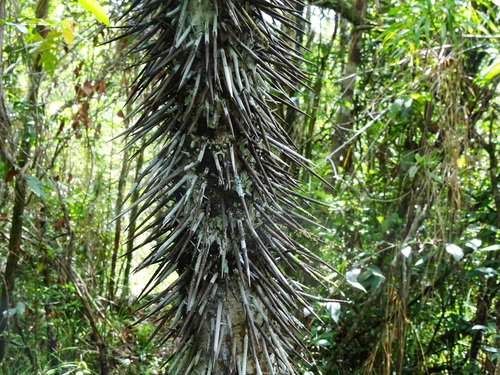
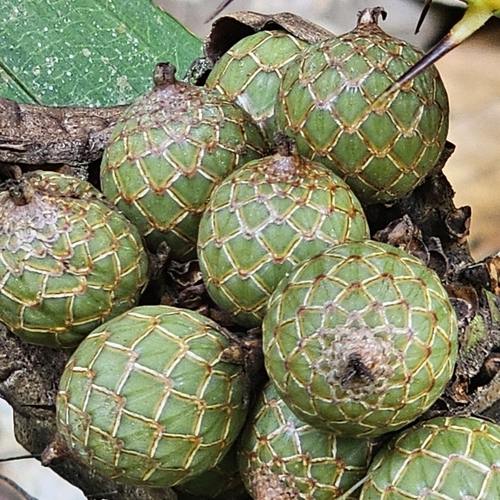
A palm. It grows less than 5 m tall. The trunk is 20 cm across. It is swollen at the base and grey-white. The leaves are compound with leaflets along the stalk. The leaves are 2 m long. The leaves are deep green. The leaflets are narrow and 60 cm long by 2-2.5 cm wide. The sheath is 1 m long. The flowers are of separate sexes and on the same plant. The fruit is oval and 1.8 cm long by 1.2 cm across. They are deep red. They contain one seed.
Edible Uses
The seeds are chewed as a masticatory substitute for betel nut.
Traditional Uses
The seeds are chewed as a substitute for betel nut.
This uses section is brief — help expand it
Distribution
It is a tropical plant. It occurs on Lanyu Island, Taiwan. It grows in lowland rain forests below 500 m above sea level.
Where It Grows
Asia, Taiwan*,
Cultivation
Pinanga tashiroi is a plant of the humid tropics, where it is found at low elevations. Species in this genus generally require a warm, sheltered position with at least moderate shade, especially when young. They grow best in a circumneutral, moist but well-drained soil and strongly dislike dry conditions. This species is somewhat salt-tolerant. A moderately fast-growing species.
Propagation
Seed - Division of new growths at the base
Notes
There are 30 Pinanga species.
Synonyms
References (1)
- Kuo, W. H. J., (Ed.) Taiwan's Ethnobotanical Database (1900-2000), http://tk.agron.ntu.edu.tw/ethnobot/DB1.htm