Ecdysanthera rosea
Hooker & Arnott
Sour creeper
iNaturalist· cc-by-nc
(c) 博甫, some rights reserved (CC BY-NC)
iNaturalist· cc-by-nc
(c) 博甫, some rights reserved (CC BY-NC)
iNaturalist· cc-by-nc
(c) 博甫, some rights reserved (CC BY-NC)
Description
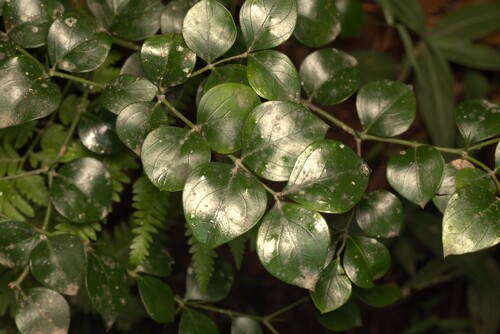
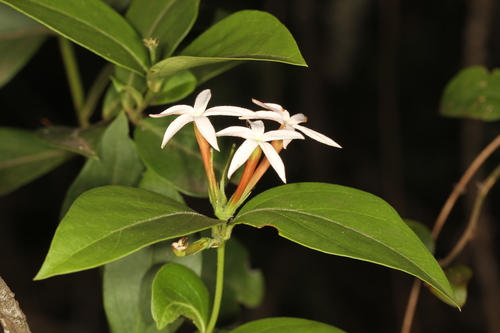
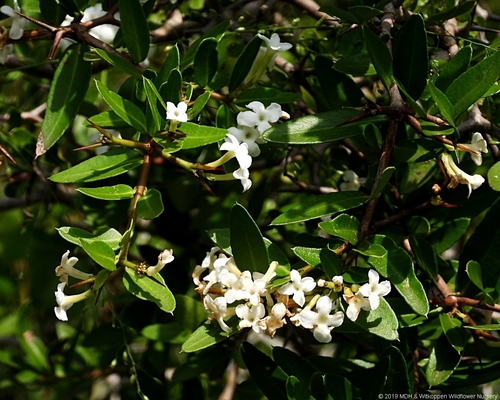
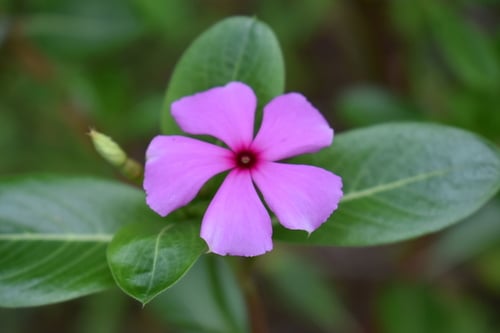
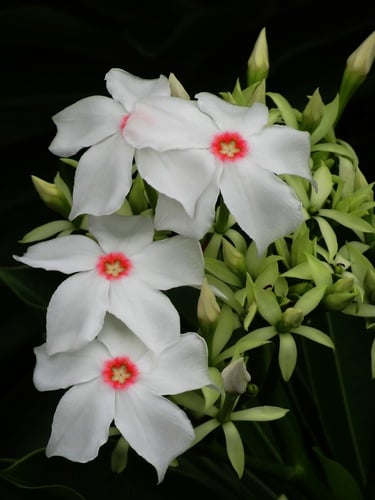
A climbing evergreen shrub. It has milky sap. The branches are thin and like wire. They are purplish-black. The current year's growth is leafy with a loose group of flowers at the end. The leaves are opposite. They are 3-7 cm long by 1-4 cm wide. The flowers are small and at the ends or branches. They are in groups 7-10 cm across.
Edible Uses
The leaves are cooked and eaten as a spice or flavoring. The flowers are also edible.
Traditional Uses
The leaves are cooked and eaten as a spice or flavouring.
This uses section is brief — help expand it
Distribution
It is a tropical plant. In Yunnan.
Where It Grows
Asia, China, Taiwan,
Also Known As
Songhei, Suen t'ang tsz
References (6)
- Hu, Shiu-ying, 2005, Food Plants of China. The Chinese University Press. p 630
- Hui, Y. H., Handbook of Food Science, Technology, and Engineering. Volume 2. Table 98:5
- Kuo, W. H. J., (Ed.) Taiwan's Ethnobotanical Database (1900-2000), http://tk.agron.ntu.edu.tw/ethnobot/DB1.htm
- Liu, Yi-tao, & Long, Chun-Lin, 2002, Studies on Edible Flowers Consumed by Ethnic Groups in Yunnan. Acta Botanica Yunnanica. 24(1):41-56
- Reis, S. V. and Lipp, F. L., 1982, New Plant Sources for Drugs and Foods from the New York Botanical Garden herbarium. Harvard. p 242
Show all 6 references Hide references
- Xu, You-Kai, et al, 2004, Wild Vegetable Resources and Market Survey in Xishuangbanna, Southwest China. Economic Botany. 58(4): 647-667.