Brassica oleracea var. ramosa
L., Alef.
Branching bush kale, Branching cabbage, Perennial kale, Thechri, Thousand-headed kale
iNaturalist· cc-by-nc
(c) Miguel A. Casado, some rights reserved (CC BY-NC), uploaded by Miguel A. Casado
iNaturalist· cc-by-nc
(c) Daniel König, some rights reserved (CC BY-NC), uploaded by Daniel König
iNaturalist· cc-by-nc
(c) Morgan Stickrod, some rights reserved (CC BY-NC), uploaded by Morgan Stickrod
Summary
Source: WikipediaBrassica oleracea, also known as wild cabbage in its uncultivated form, is a plant of the family Brassicaceae. The species originated from feral populations of related plants in the Eastern Mediterranean, where it was most likely first cultivated. It has many common cultivars that are used as culinary vegetables, including cabbage, broccoli, cauliflower, romanesco, kale, Brussels sprout, collard, Savoy cabbage, kohlrabi, and gai lan.
Description
A Brassicaceae herb from temperate regions, commercially cultivated as a vegetable.
This description is brief — help expand it
Edible Uses
The leaves are sun dried or boiled and eaten as a vegetable.
Traditional Uses
The leaves are sun dried or boiled and used as a vegetable.
This uses section is brief — help expand it
Distribution
It is a temperate plant.
Where It Grows
Asia, India,
Other Information
It is a commercially cultivated vegetable.
Notes
There are about 30 Brassica species and many cultivated varieties.
References (4)
- BHARGAVA (As Brassica ramosa)
- Kays, S. J., and Dias, J. C. S., 1995, Common Names of Commercially Cultivated Vegetables of the World in 15 languages. Economic Botany, Vol. 49, No. 2, pp. 115-152
- Syst. nat. 2:583. 1821
- USDA, ARS, National Genetic Resources Program. Germplasm Resources Information Network - (GRIN). [Online Database] National Germplasm Resources Laboratory, Beltsville, Maryland. Available: www.ars-grin.gov/cgi-bin/npgs/html/econ.pl (10 April 2000)
More from Brassicaceae
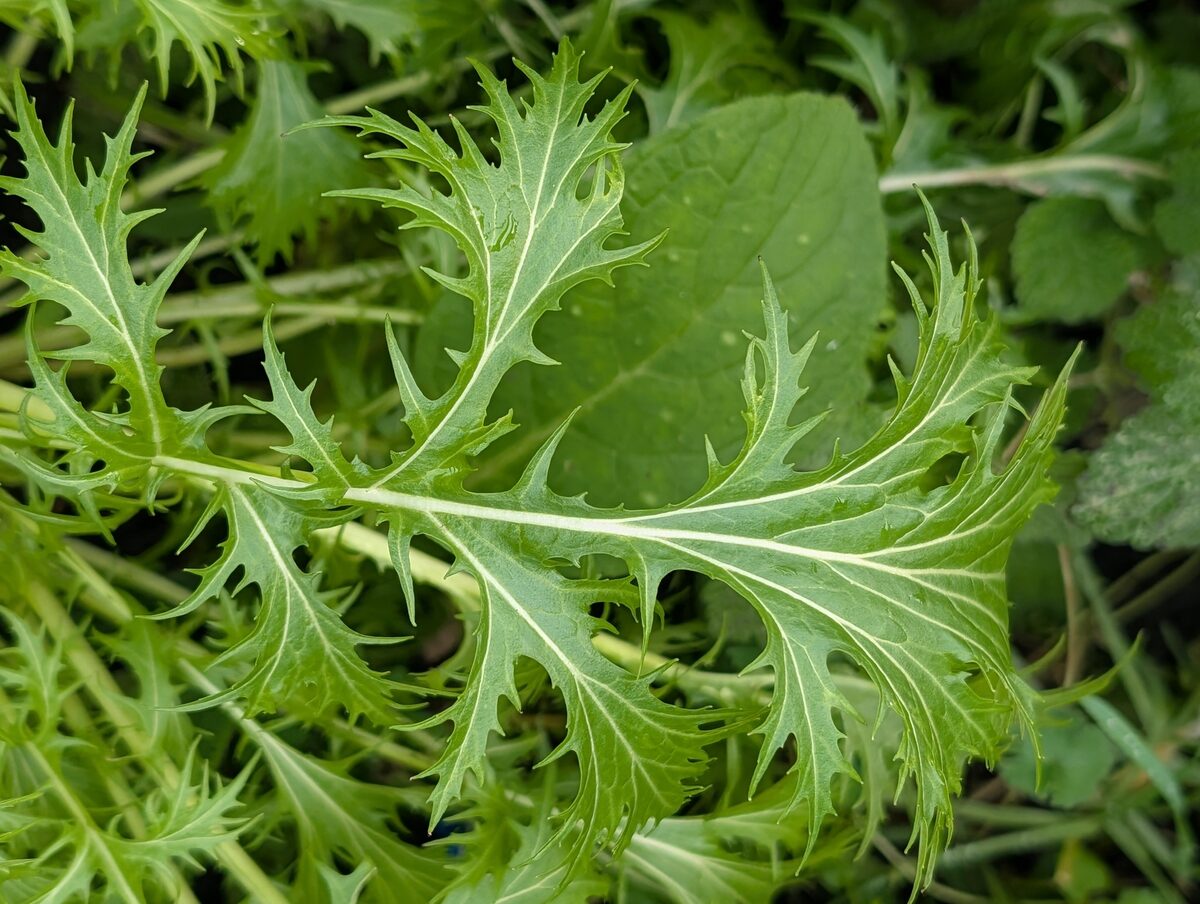
Brassica rapa nipposinica - (L.H.Bailey.)Hanelt.
Mizuna
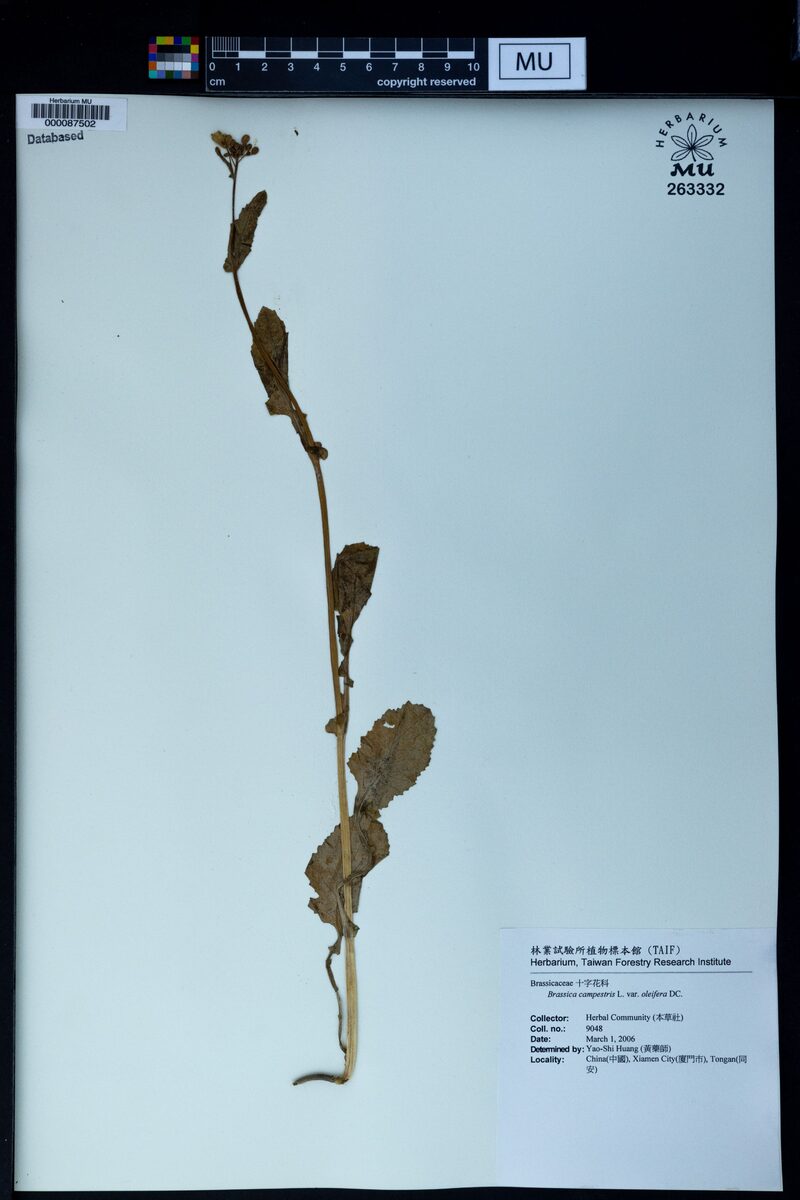
Brassica rapa oleifera - (DC.)Metzg.
Stubble Turnip
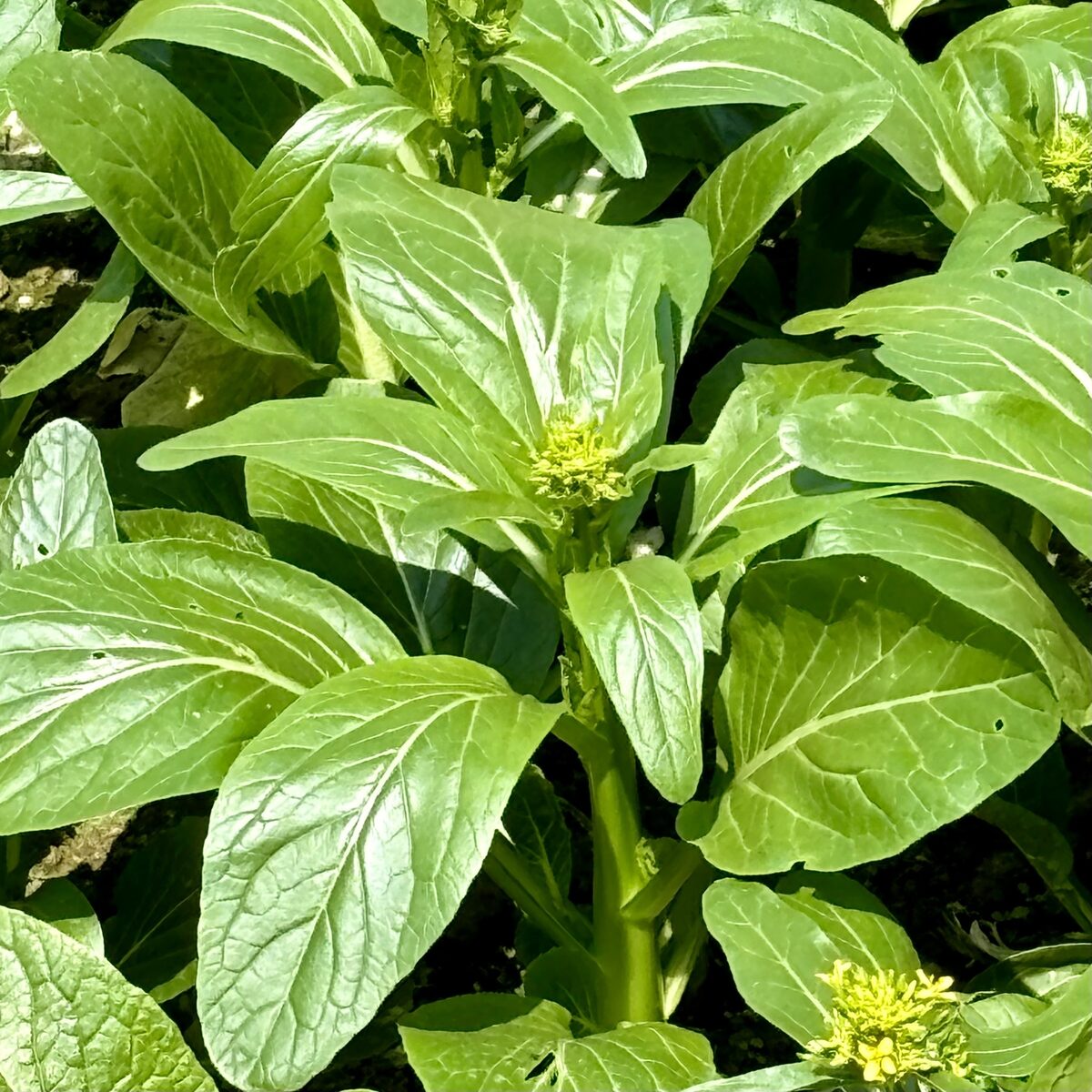
Brassica rapa parachinensis - (L.H.Bailey.)Hanelt.
False Pak Choi
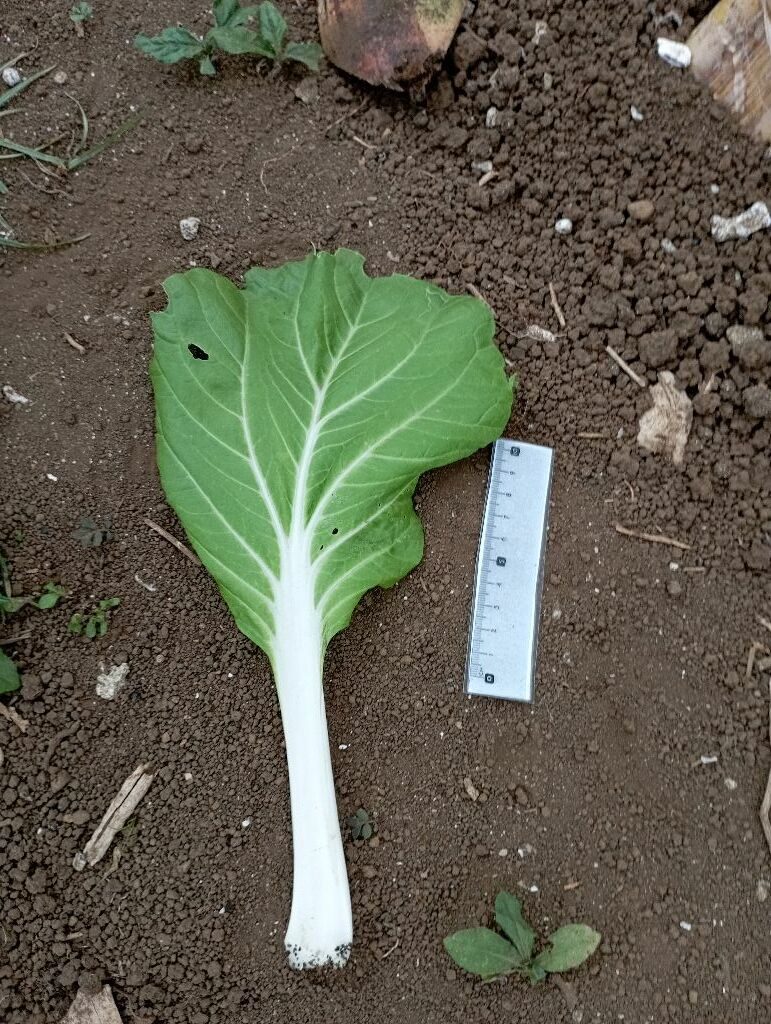
Brassica rapa pekinensis - (Lour.)Hanelt.
Chinese Cabbage
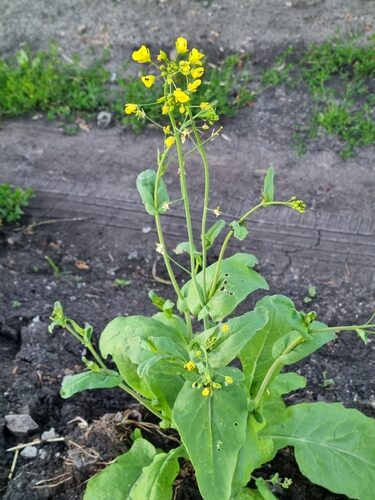
Brassica rapa perviridis
Mustard Spinach
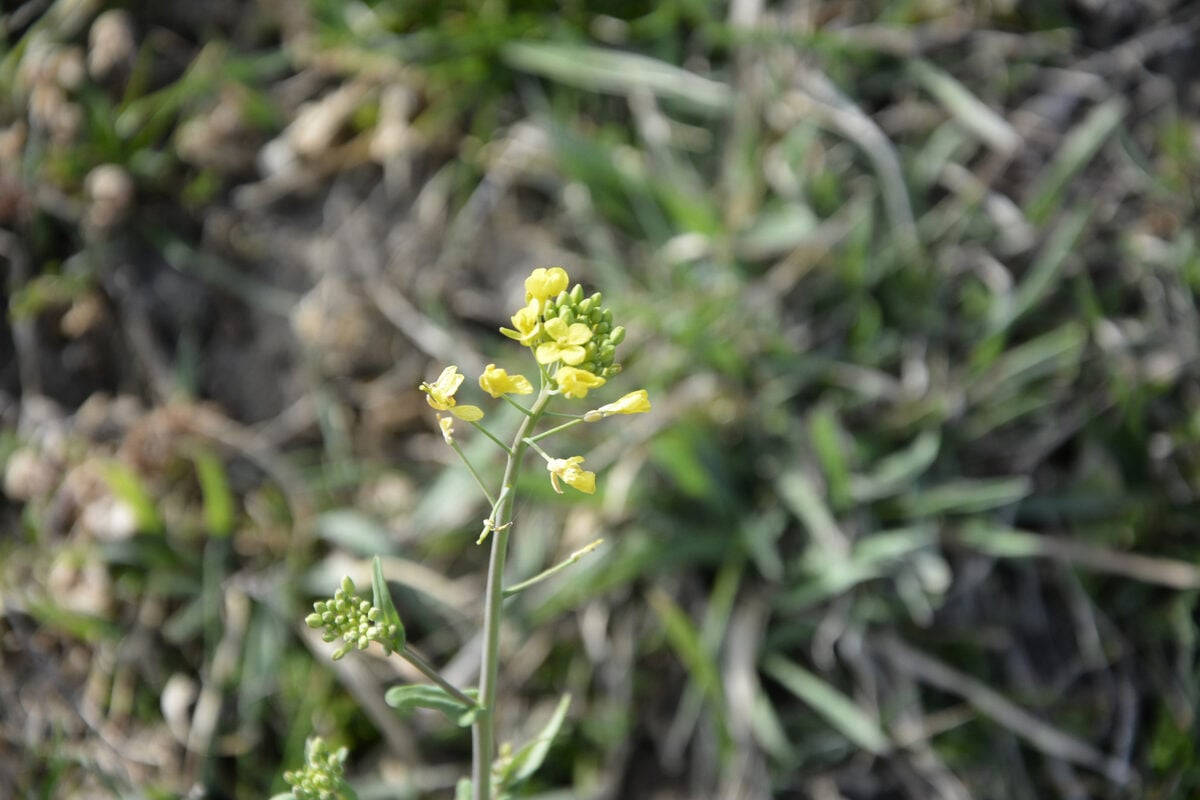
Brassica rapa subsp. campestris
Wild turnip