Perebea guianensis
Aubl.
Sunkach, Guianas perebea
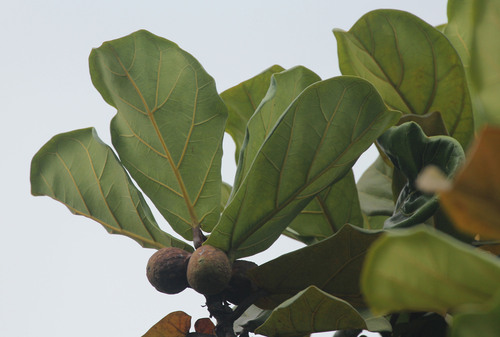
iNaturalist· cc-by-nc
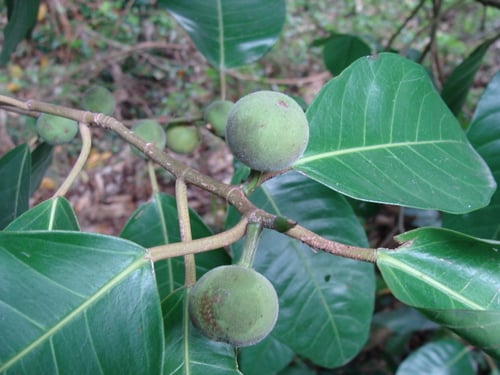
(c) cpfeuillet, some rights reserved (CC BY-NC), uploaded by cpfeuillet
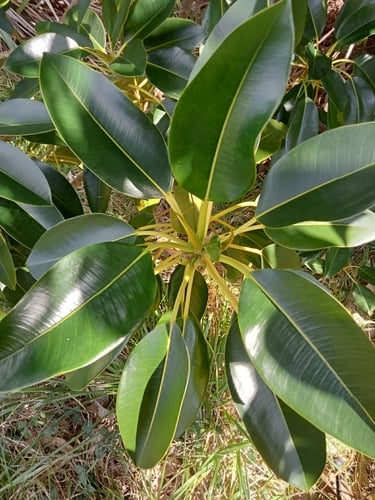
iNaturalist· cc-by-nc
(c) thibaud_gaudry, some rights reserved (CC BY-NC)
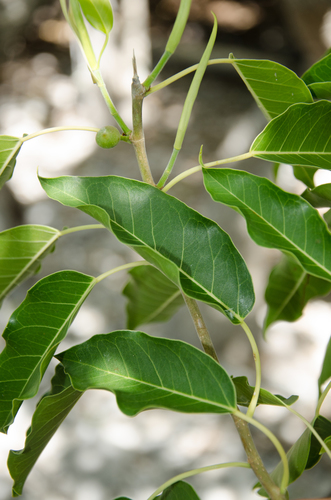
iNaturalist· cc-by-nc
(c) thibaud_gaudry, some rights reserved (CC BY-NC)
Description
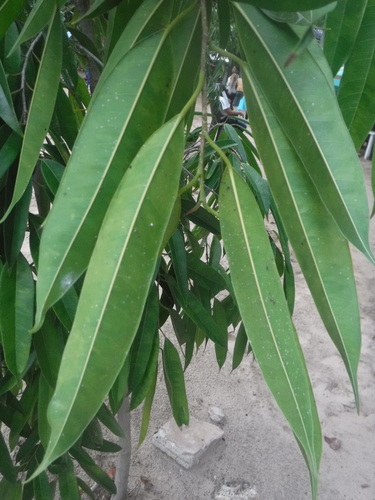
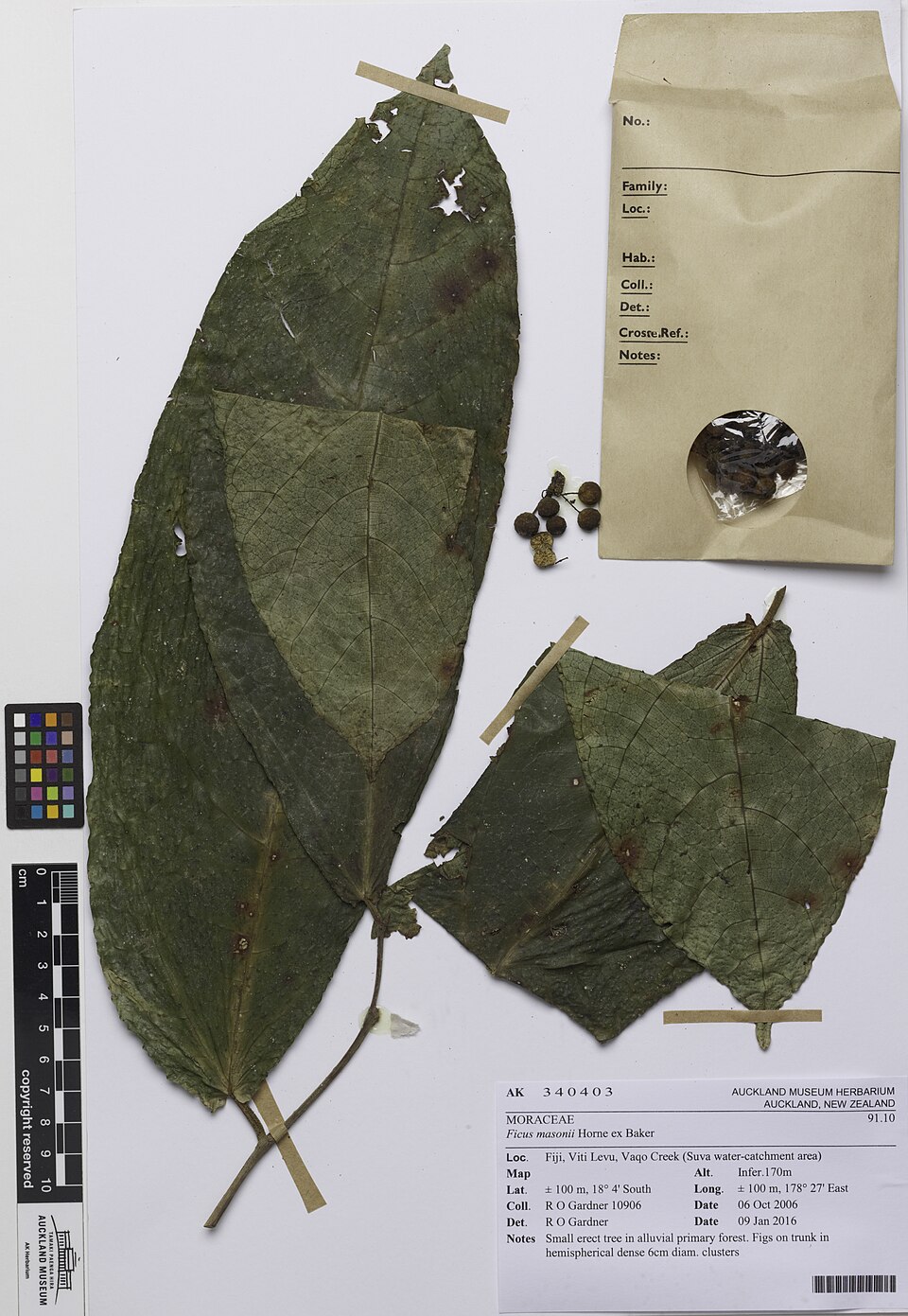
A tree. It grows 30 m tall. The trunk is 30 cm across. The leaves are 20-50 cm long by 7-18 cm wide. The male flowers are 6-30 mm wide. The female flowers are cup shaped and 8-30 mm across. The fruit are 3-8 cm across.
Edible Uses
The fruit is eaten and is considered a significant food.
Distribution
It is a tropical plant.
Where It Grows
Amazon, Andes, Bolivia, Brazil, Central America, Colombia, Costa Rica, Ecuador, Guiana, Guianas, Guyana, Panama, Peru, South America*, Suriname, Venezuela,
Other Information
It is a significant food.
Synonyms
Also Known As
Akcha kaspi, Aki abon, Batabo, Bataka, Chimicua, Kawit, Nopewe, Opehue, Pama grande, Pama negra, Suncash, Sunkach, Wayawashi paparu, Wira kaspi, Yamaa sangkan, Yawataika
References (8)
- Bendezu, Y. F., 2018, Arboles nativos de lad Region Ucayali. Instituto Nacional de Innovacion Agraria. p 230
- Duchelle, A. E., 2007, Observations on Natural Resource use and Conservation by the Shuar In Ecuador's Cordillera del Condor. Ethnobotany Research & Applications 5:005-023
- Grandtner, M. M. & Chevrette, J., 2013, Dictionary of Trees, Volume 2: South America: Nomenclature, Taxonomy and Ecology. Academic Press p 489
- Grenand, P., 1992, The Use and Cultural Significance of the Secondary Forest Among the Wayapi Indians. ORSTOM. In Sustainable Harvesting and Marketing of Rainforest Products. Island Press. Washington. p 32
- Kermath, B. M., et al, 2014, Food Plants in the Americas: A survey of the domesticated, cultivated and wild plants used for Human food in North, Central and South America and the Caribbean. On line draft. p 629
Show all 8 references Hide references
- Lopez-Diago, D. & Garcia, N., 2021, Wild edible fruits of Colombia. Biota ColomBiana 22 (2) p 43
- Roa, J. A. G. & Boada, D. S. G., 2018, Fundación para el Fortalecimiento de la Fruticultura y Plantas Alimenticias no Convencionales en Colombia.
- Torre, de la, L., et al, 2008, Enciclopedia de las Plantas Útiles del Ecuador. Herbario QCA. Pontificia Universidad Católica del Ecuador. p 453