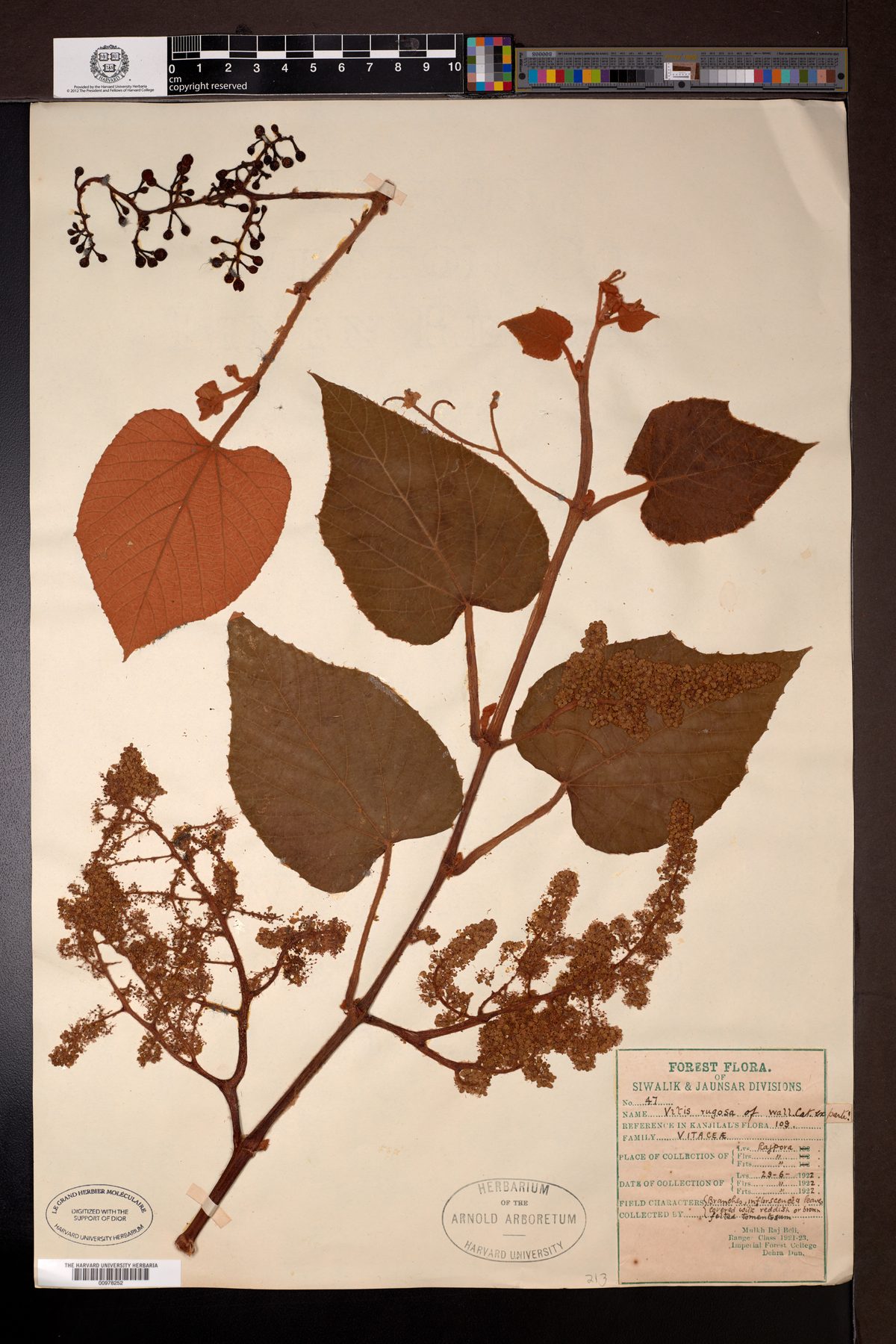
Ampelocissus obtusata subsp. kirkiana
(Bak.) Planch., (Planch.) Wild & Drummond
Wild grape
gbif· cc-by-nc
Troos van der Merwe
gbif· cc-by-nc
Troos van der Merwe
gbif· cc-by-nc
Troos van der Merwe
Description
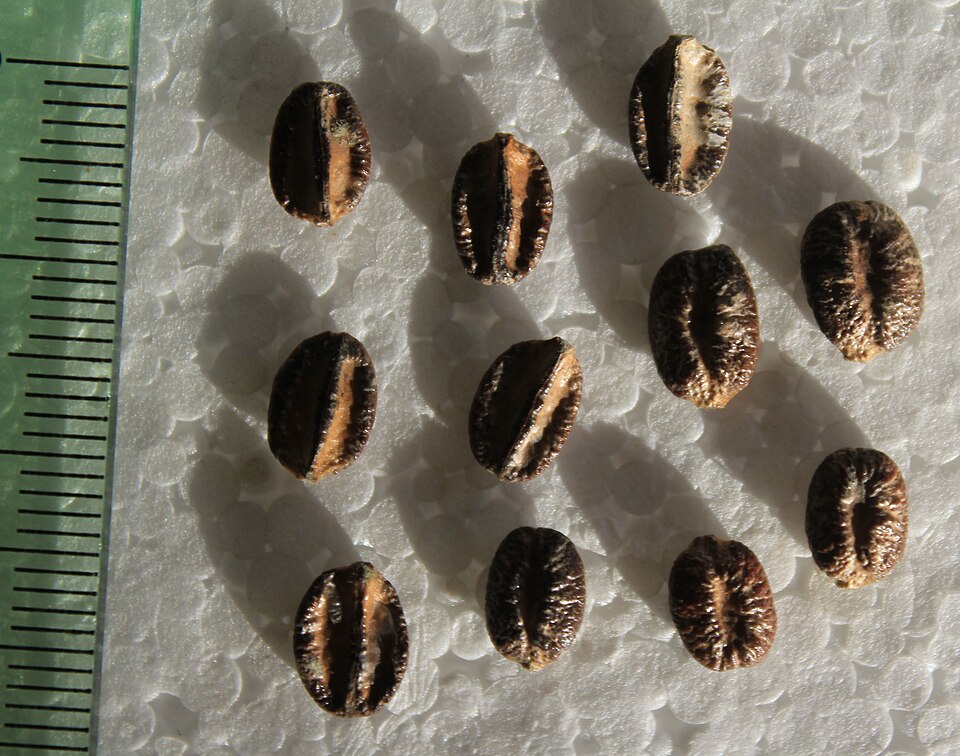
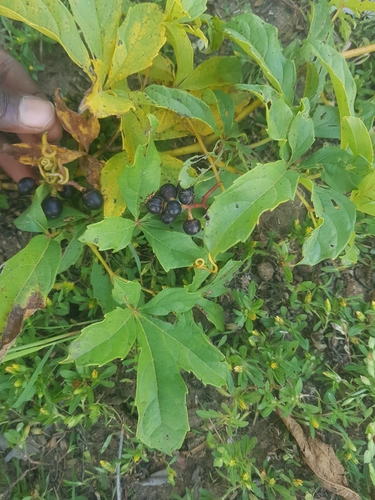
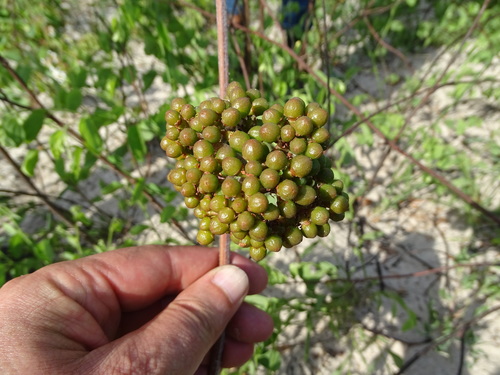
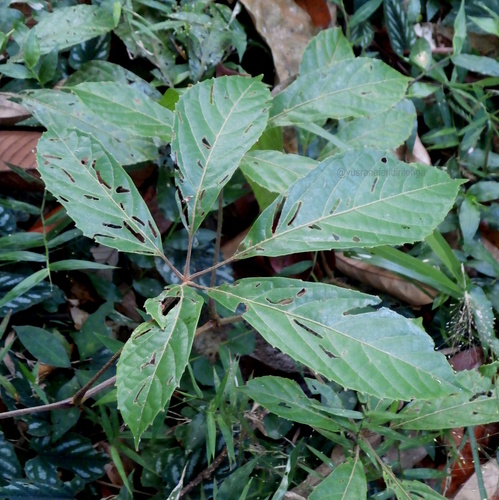
A scrambling plant. It usually has tendrils. It grows 2 m high. The leaf blade is about 11 cm long. It has 3-5 leaflets. The side leaflets have leaflet stalks 5 cm long. The flowers are small and bright red. They have golden yellow stamens. The fruit are red berries. They are 1 cm across and have 2 seeds.
Edible Uses
The tart but edible red berries are eaten.
Traditional Uses
The fruit are tart but edible.
This uses section is brief — help expand it
Distribution
It is a tropical plant. It grows in woodland and on rocky outcrops. It grows between 350-600 m above sea level. It can grow in arid places.
Where It Grows
Africa, Angola, Botswana, Central Africa, Congo, East Africa, Malawi, Mozambique, Namibia, Southern Africa, Zambia, Zimbabwe,
Synonyms
Also Known As
Cifa-malimwe, Kokoroka, Mundovera, Munyamato, Mumsansa
References (7)
- Flora Zambesiaca. http://apps.kew.org/efloras
- Fowler, D. G., 2007, Zambian Plants: Their Vernacular Names and Uses. Kew. p 63
- Malaisse, F., 1997, Se nourrir en floret claire africaine. Approche ecologique et nutritionnelle. CTA., p 57
- Malaisse, F., 2010, How to live and survive in Zambezian open forest (Miombo Ecoregion). Les Presses Agronomiques de Gembloux.
- Peters, C. R., O'Brien, E. M., and Drummond, R.B., 1992, Edible Wild plants of Sub-saharan Africa. Kew. p 200
Show all 7 references Hide references
- Royal Botanic Gardens, Kew (1999). Survey of Economic Plants for Arid and Semi-Arid Lands (SEPASAL) database. Published on the Internet; http://www.rbgkew.org.uk/ceb/sepasal/internet [Accessed 13th June 2011]
- Wild, 1975,