Dombeya burgessiae
Gerrard ex Harv. & Sond.
Pink dombeya, Pink wild pear
iNaturalist· cc-by-nc-nd
(c) David Midgley, some rights reserved (CC BY-NC-ND)
iNaturalist· cc-by-nc
(c) Anzi, some rights reserved (CC BY-NC)
iNaturalist· cc-by-nc
(c) Anzi, some rights reserved (CC BY-NC)
Summary
Source: WikipediaDombeya burgessiae, the rosemound, is a widespread species of flowering plant in the family Malvaceae. It is native to seasonally dry areas of tropical Africa, and has been introduced to Pakistan, Assam, and Trinidad and Tobago. A variable shrub or multi-stemmed tree from 2 to 8 m (7 to 26 ft) tall, it is used for its fiber (for ropes and baskets), wood (bows and tool handles), its edible pith, and for friction sticks to make fire. It is occasionally planted as an ornamental.
Description
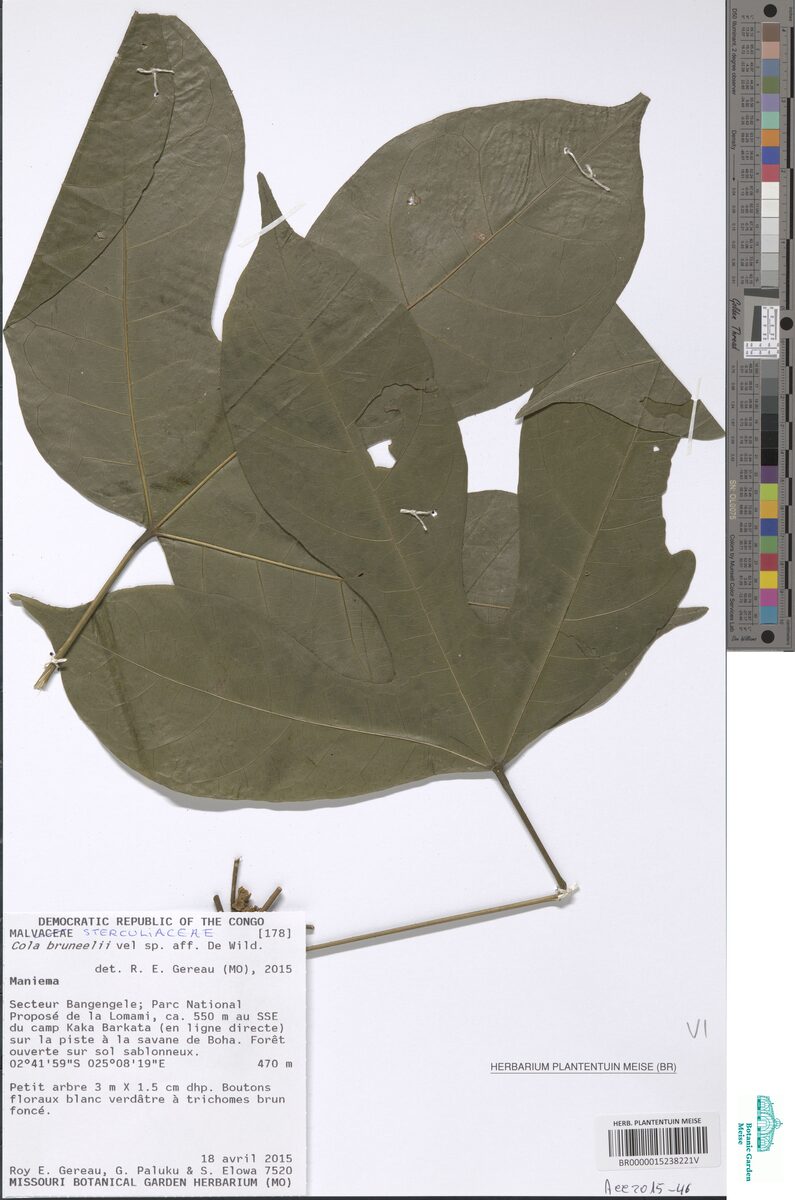
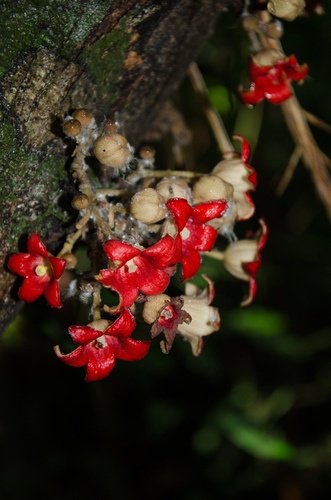
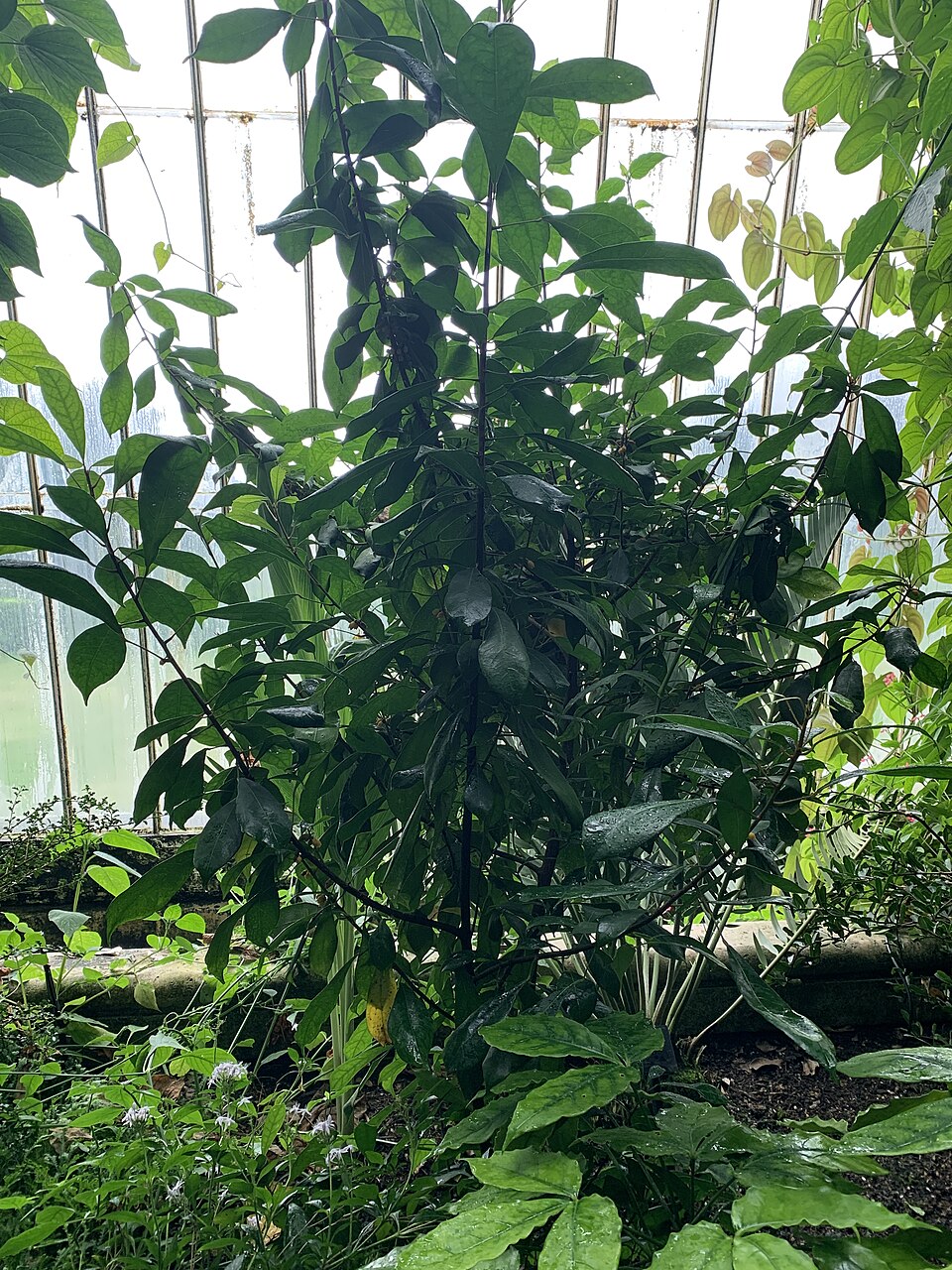
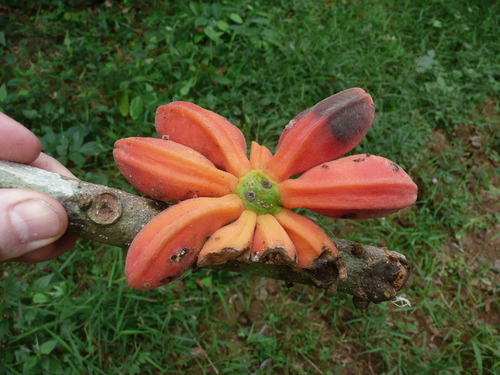
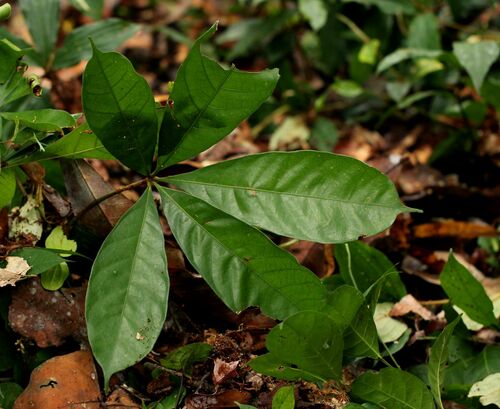
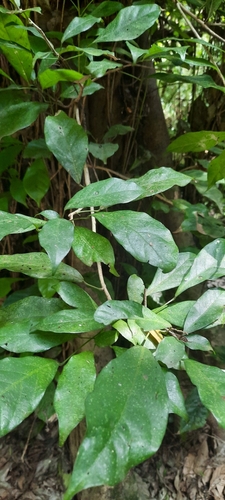
An erect shrub. It grows 2-4 m tall. The leaves are bright green and large and hairy. They are alternate and have lobes. The flowers are pink and in clusters. The fruit is a small round furry capsule.
Edible Uses
The pith of the stems and fruit is cooked and eaten, often prepared with potash and peanuts.
Traditional Uses
The pith is cooked and eaten with other foods. The pith of the fruit is cooked with potash and peanuts.
This uses section is brief — help expand it
Medicinal Uses
In traditional medicine in Kenya the bark is boiled and the decoction drunk or the bark is chewed as an aphrodisiac. An infusion of the roots is taken to cure stomach pain. In Tanzania a decoction of the leaves is drunk and the pulped leaves are applied to leprosy sores.
Distribution
It is a tropical plant. It grows in Malawi at about 1,200 m altitude in open grassland. It can grow in dry soil. It can grow in arid places. It is drought tolerant. In Brisbane Botanical Gardens.
Where It Grows
Africa*, Asia, Australia, East Africa, Indonesia, Malawi, Mozambique, Myanmar, SE Asia, South Africa, Tanzania, Zambia, Zimbabwe,
Cultivation
Plants can be grown from seeds.
Propagation
Seed can be extracted from dry flower heads. Its viability declines within 3 months, so fresh seed has to be used for sowing. Seed is to be sown in properly drained seedbeds. Seedlings emerge in about 3 weeks. For the ornamental trade, plants are multiplied by cuttings or air-layers. Cuttings of half-ripe wood.
Other Uses
The bark fibre of Dombeya burgessiae is widely used for binding and for making rope. In Kenya the fibre is traditionally used for making baskets and the famous ‘kiondo’ bags. The wood is widely used for making fire by friction. The heartwood is not clearly demarcated from the sapwood. The wood is uniformly pale brown, often with a central core of dark brown wood with olive streaks. The grain is usually straight, texture fine to medium. The density of the wood is about 560 kg/m³ at 12% moisture content. The wood is liable to checking in seasoning. It is strong and tough. The wood saws and planes well and nails without splitting, but it is not suitable for turnery. The durability of the wood is low to moderate. The sapwood is susceptible to attack by termites, marine borers and Lyctus borers. The sapwood and heartwood are moderately resistant to impregnation. In Kenya the wood is used for construction and for making bows. In Mozambique the wood is used for bows, tool handles The wood is used for firewood. Like other species of the genus, Dombeya burgessiae is valuable as bee forage and the honey produced is exceptionally good with fine crystallization
Notes
Some Botanists put the Dombeya in the Byttneriaceae and the Sterculiaceae.
Synonyms
Also Known As
Dobeya merah jambu, Mnyangale, Namauli
References (9)
- Fox, F. W. & Young, M. E. N., 1982, Food from the Veld. Delta Books. p 348 (As Dombeya tanganyikensis)
- Grubben, G. J. H. and Denton, O. A. (eds), 2004, Plant Resources of Tropical Africa 2. Vegetables. PROTA, Wageningen, Netherlands. p 561
- Peters, C. R., O'Brien, E. M., and Drummond, R.B., 1992, Edible Wild plants of Sub-saharan Africa. Kew. p 188
- Plowes, N. J. & Taylor, F. W., 1997, The Processing of Indigenous Fruits and other Wildfoods of Southern Africa. in Smartt, L. & Haq. (Eds) Domestication, Production and Utilization of New Crops. ICUC p 190 (As Dombeya tanganyikensis)
- Royal Botanic Gardens, Kew (1999). Survey of Economic Plants for Arid and Semi-Arid Lands (SEPASAL) database. Published on the Internet; http://www.rbgkew.org.uk/ceb/sepasal/internet [Accessed 11th June 2011] (As Dombeya tanganyikensis)
Show all 9 references Hide references
- Sukarya, D. G., (Ed.) 2013, 3,500 Plant Species of the Botanic Gardens of Indonesia. LIPI p 621
- Williamson, J., 2005, Useful Plants of Malawi. 3rd. Edition. Mdadzi Book Trust. p 103 (As Dombeya tanganyikensis)
- Williamson, 1972, 1975,
- World Checklist of Useful Plant Species 2020. Royal Botanic Gardens, Kew