Vigna membranacea
A. Rich.
iNaturalist· cc-by-nc
(c) Abigail Church, some rights reserved (CC BY-NC), uploaded by Abigail Church
gbif· cc-by-sa
susan brown
Description
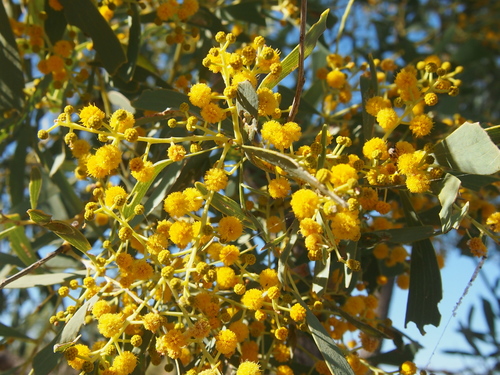
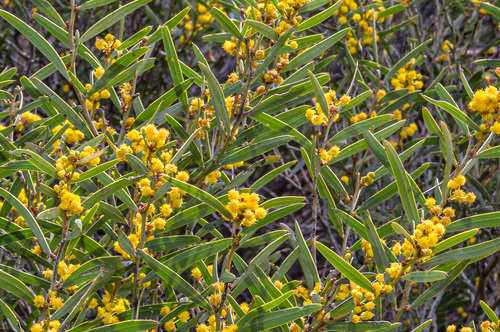
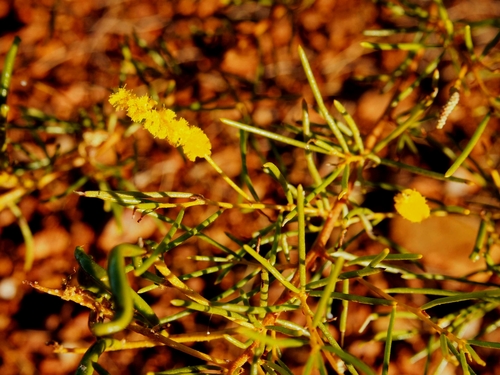
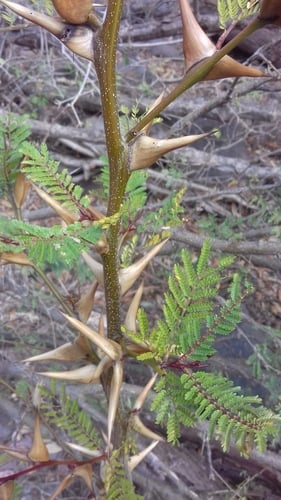
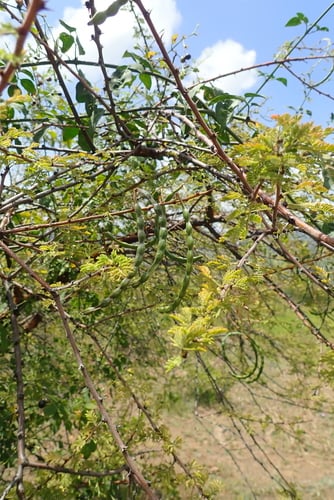
A climbing bean herb. It can grow each year from seeds or keep growing for a few years. The leaves are compound. They have 3 leaflets and the leaflets have side lobes. The flowers are blue tinged with purple. The fruit is a narrow pod. There are at least 4 subspecies.
Edible Uses
The roots are eaten raw, leaves are fried or boiled and mashed with maize and beans, and unripe seeds are consumed. Flowers are also edible.
Traditional Uses
The roots are eaten raw. The leaves are fried and eaten. They are also boiled and mashed with maize and beans. The unripe seeds are eaten.
This uses section is brief — help expand it
Distribution
It is a tropical plant. It usually grows on red, sandy clays. It can grow in arid places. In Ethiopia it grows between 100-2,400 m above sea level.
Where It Grows
Africa, Burundi, Central Africa, Congo, East Africa, Ethiopia, Kenya, Rwanda, Somalia, Sudan, Tanzania, Uganda,
Cultivation
Plants are grown from seeds.
Nutrition
| Part | Moisture | kJ | kcal | Protein | Vit A | Vit C | Iron | Zinc |
|---|---|---|---|---|---|---|---|---|
| Leaves | 80.9 | — | — | 6.6 | — | — | — | — |
Synonyms
Also Known As
Bog ajowom, Chame, Chesuwanja, Cheswancha, Ithookwe, Kelowo-kelowo, Labebegi, Lgisoiya, Mathorokwe, Shotademodoroy
References (14)
- Awas, T., 1997, A Study on the Ecology and Ethnobotany of Non-cultivated Food Plants and Wild Relatives of Cultivated crops in Gambella Region, Southwestern Ethiopia. Addis Ababa University. p 52
- Dakora, F. D., 2013, Biogeographic Distribution, Nodulation and Nutritional Attributes of Underutilized Indigenous Agrican Legumes. Acta Horticulturae Number 979 Vol. 1. p 53
- East African Herbarium records, 1981,
- Ichikawa, M., 1980, The Utilization of Wild Food Plants by the Suiei Dorobo in Northern Kenya. J. Anthrop. Soc. Nippon. 88(1): 25-48
- Lulekal, E., et al, 2011, Wild edible plants in Ethiopia: a review on their potential to combat food insecurity. Afrika Focus - Vol. 24, No 2. pp 71-121
Show all 14 references Hide references
- Maundu, P. et al, 1999, Traditional Food Plants of Kenya. National Museum of Kenya. 288p
- Mutie, F. G., 2020, Conservation of Wild Food Plants and Their Potential for Combatting Food Insecurity in Kenya as Exemplified by the Drylands of Kitui County. Plants 2020, 9, 1017
- Mutie, F. M., et al, 2023, Important Medicinal and Food Taxa (Orders and Families) in Kenya, Based on Three Quantitative Approaches. Plants 2023, 12, 1145
- Peters, C. R., O'Brien, E. M., and Drummond, R.B., 1992, Edible Wild plants of Sub-saharan Africa. Kew. p 139
- Royal Botanic Gardens, Kew (1999). Survey of Economic Plants for Arid and Semi-Arid Lands (SEPASAL) database. Published on the Internet; http://www.rbgkew.org.uk/ceb/sepasal/internet [Accessed 1st May 2011]
- Shumsky, S., et al, 2014, Institutional factors affecting wild edible plant (WEP) harvest and consumption in semi-arid Kenya. Land Use Policy 38(2014) 48-69
- Termote, C., et al, 2014, Assessing the potential of wild foods to reduce the cost of a nutritionally adequate diet: An example from eastern Baringo District, Kenya. Food and Nutrition Bulletin, vol. 35, no. 4
- World Checklist of Useful Plant Species 2020. Royal Botanic Gardens, Kew
- Yimer, A., et al, 2021, Ethnobotanical study of wild edible plants used by Meinit Ethnic Community at Bench-Maji Zone, Southwest Ethiopia. Research Square. p 6