Xylia evansii
Hutch.
iNaturalist· cc-by-nc
(c) Carel Jongkind, some rights reserved (CC BY-NC), uploaded by Carel Jongkind
Description
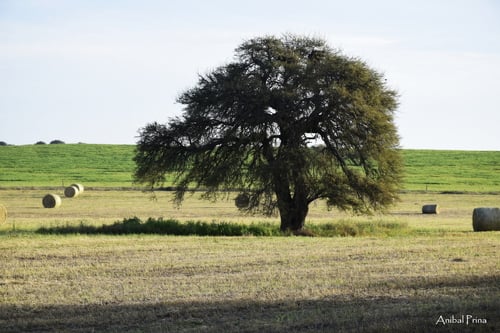
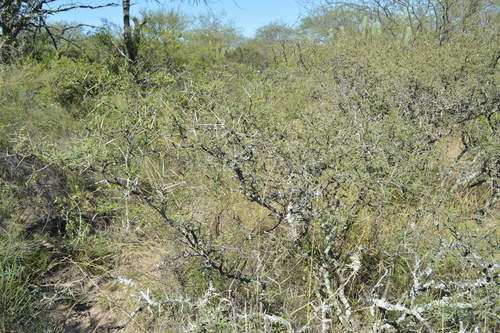
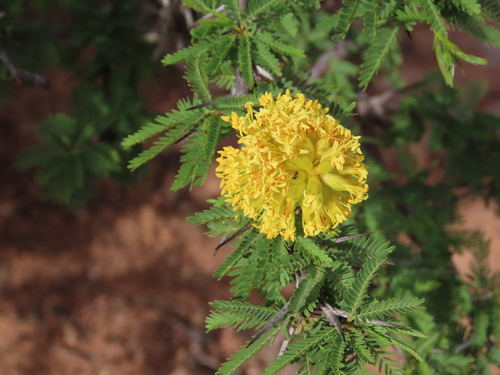
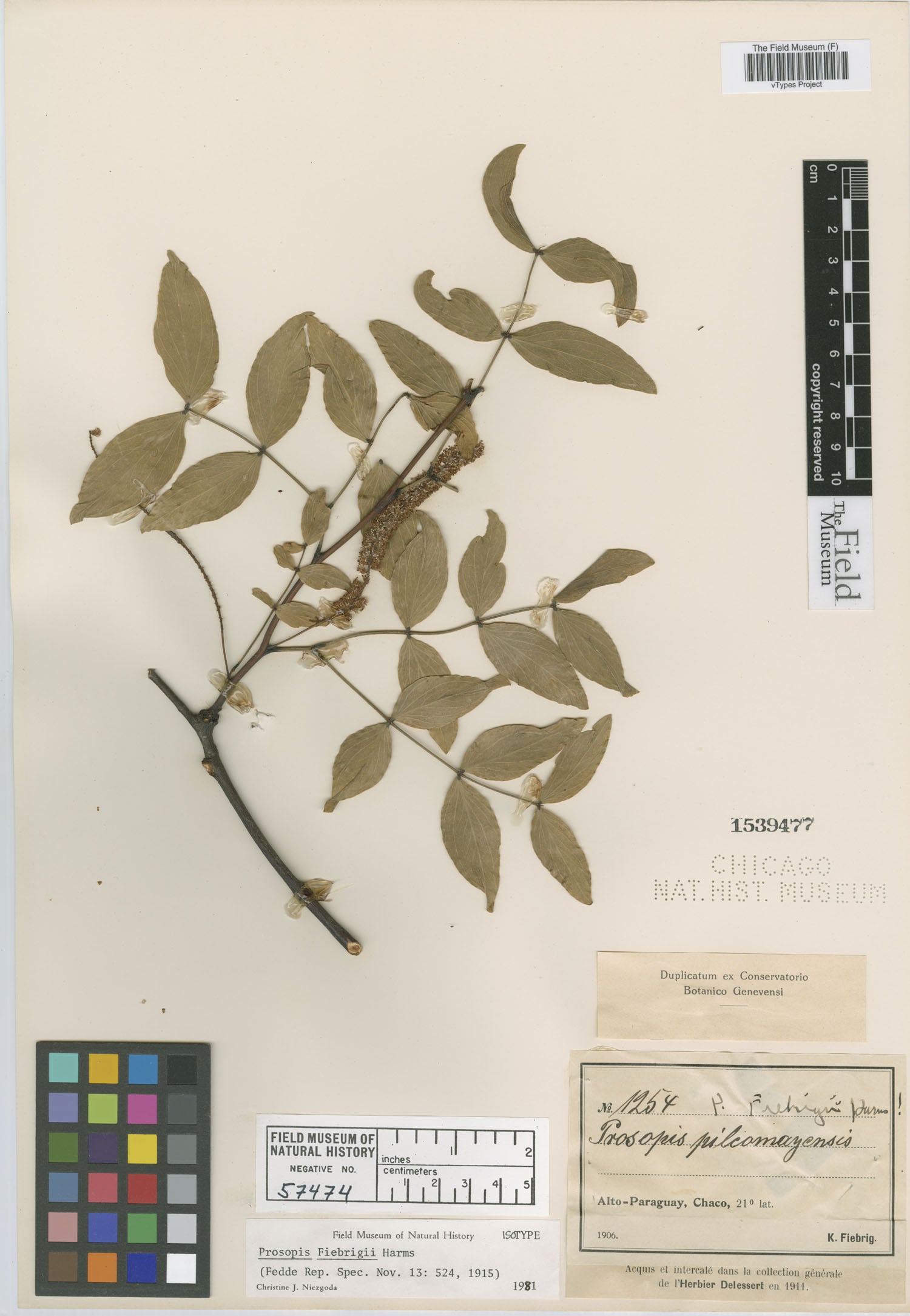
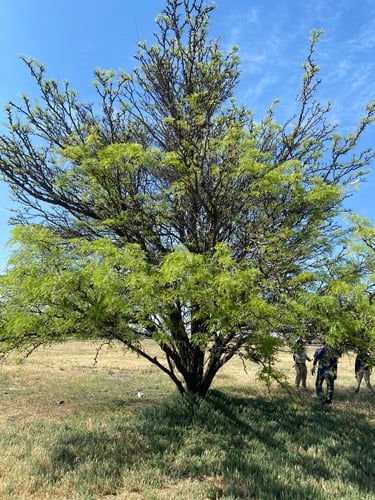
A tree. It grows 35 m tall. The trunk is often fluted and bent. It is 160 cm across. It has large buttresses. The bark is brown and roughly scaly. The leaves are alternate and clustered at the ends of twigs. The leaves are compound and twice divided. There are 9-20 pairs of leaflets in the side shoots that are 10-35 cm long. The leaflets are narrowly oval and 9 cm long by 2 cm wide. They taper to the tips. The flowers are in a head 2 cm across. The fruit is a narrow pod. It is 20 cm long by 5 cm wide and flattened. It is slightly curved and brown. There are 4-9 seeds. The seeds are narrowly oval and 2 cm long by 1.5 cm wide and flattened. They are shiny.
Edible Uses
Roasted seeds are reportedly edible. A vegetable salt has been obtained from wood ash by leaching.
Medicinal Uses
A decoction of leafy twigs is administered as a cholagogue and tonic.
Distribution
It is a tropical plant. It grows in the forests. It is usually on well-drained soils.
Where It Grows
Africa, Côte d'Ivoire, Ghana, Ivory Coast, Sierra Leone, West Africa,
Cultivation
Plants are grown from seed. Seeds germinate in 4-10 days.
Propagation
Seed - the germination rate of fresh seeds in the nursery is fair. Stored seeds should be pre-soaked prior to sowing - immerse the seed in almost boiling water for a few minutes (being careful not to cook the seed!) and then soak it in warm water for 12 - 24 hours, by which time it should have imbibed water and swollen up. Germination starts 4 - 10 days after sowing.
Other Uses
The leaves and ash from pods are used as a substitute for soap. The twigs are used as chewing sticks to keep the teeth clean and healthy. The heartwood is reddish brown with darker streaks; it is distinctly demarcated from the pale yellow sapwood. The grain is interlocked; the texture fine. The wood is moderately heavy and hard. It dries quite fast and well. The recorded workability of the wood varies from fairly well to difficult. It is resistant against both fungi and insects. The wood is used for local construction.
Notes
There are 9 Xylia species. Also as Mimosaceae.
References (4)
- Dalziel, J. M., 1937, The Useful plants of west tropical Africa. Crown Agents for the Colonies London.
- Lemmens, R.H.M.J., 2007. Xylia evansii Hutch. [Internet] Record from Protabase. Louppe, D., Oteng-Amoako, A.A. & Brink, M. (Editors). PROTA (Plant Resources of Tropical Africa), Wageningen, Netherlands. < http://database.prota.org/search.htm>. Accessed 23 October 2009
- Peters, C. R., O'Brien, E. M., and Drummond, R.B., 1992, Edible Wild plants of Sub-saharan Africa. Kew. p 130
- World Checklist of Useful Plant Species 2020. Royal Botanic Gardens, Kew