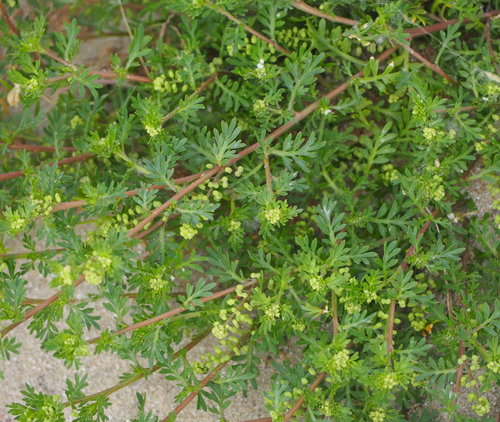
Brassica campestris var. chinoleifera
L.; DC.
Flowering white cabbage, Choy sum
iNaturalist· cc-by
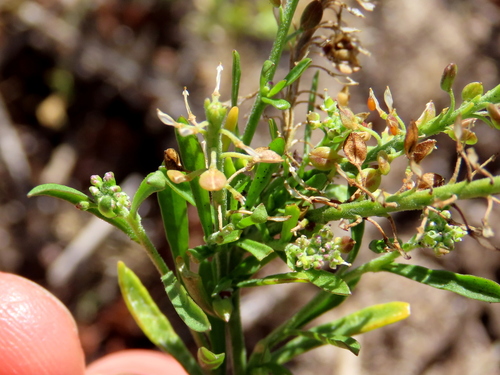
(c) Mark Wagner, some rights reserved (CC BY)
iNaturalist· cc0
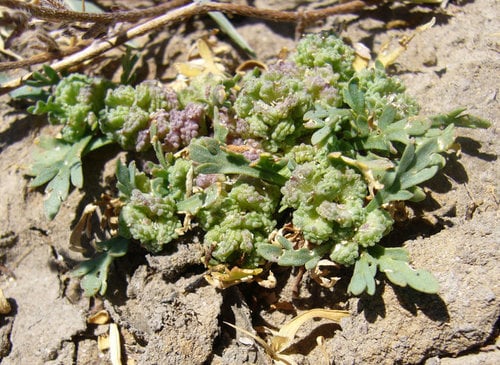
no rights reserved
iNaturalist· cc-by-nc
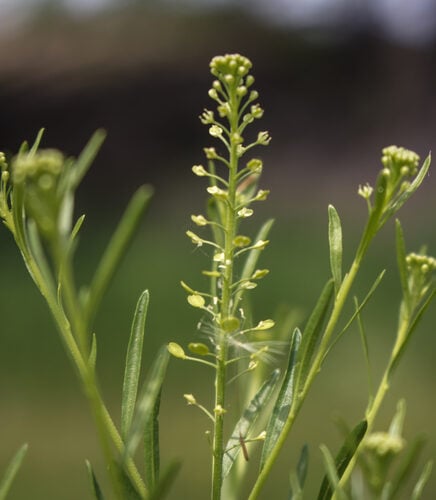
(c) polarcollision, some rights reserved (CC BY-NC)
Description
A temperate cabbage family herb with leaves rich in Vitamin C and seeds high in amino acids including Histidine, Isoleucine, Leucine, Lysine, Methionine, and Valine.
Edible Uses
The leaves are eaten as a cooked green vegetable, and the plant is also a source of colza oil used in cooking.
Traditional Uses
The plant is also the source of colza oil, which is used in cooking.
This uses section is brief — help expand it
Distribution
It is a temperate plant.
Where It Grows
Asia, China, India,
Notes
There are about 30 Brassica species and many cultivated varieties. Chemical composition (stem): Protein = 2.94%. Fat = 0.6%. Carbohydrate = 5.2%. Ash = 1.6%; (leaves): Protein = 1.2%. Fat = 3.9%. Carbohydrate = 1.9%. Ash = 0.9%. Both leaves and stems contain small quantities of Vitamin A, B1 , and D; moderate amounts of Vitamin B2, and reportedly rich in Vitamin C. The seeds have been analysed giving a 74.8 amino acid content, high in Histidine, Isoleucine, Leucine, Lysine, Methionine, and Valine.
References (6)
- Flora of China. www.eFloras.org (As Brassica rapa var. oleifera)
- Kiple, K.F. & Ornelas, K.C., (eds), 2000, The Cambridge World History of Food. CUP p 1774
- MILLER et al,
- READ,
- Sharma, B.B., 2005, Growing fruits and vegetables. Publications Division. Ministry of Information and broadcasting. India. p 194
Show all 6 references Hide references
- UPHOF.