Whitfieldia elongata
(P. De Beauv.) De Wild. & T. Durand
iNaturalist· cc-by-nc
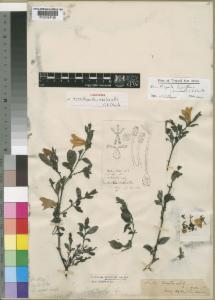
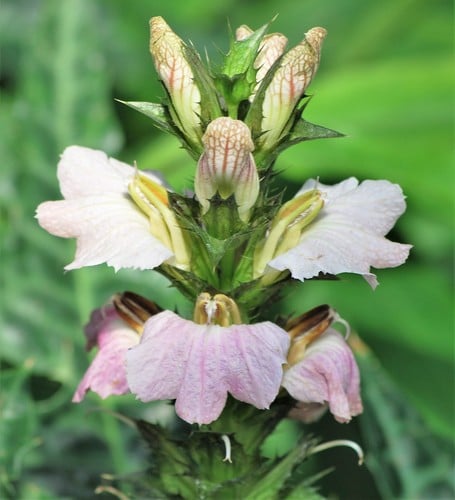
(c) Bart Wursten, some rights reserved (CC BY-NC), uploaded by Bart Wursten
iNaturalist· cc-by-nc
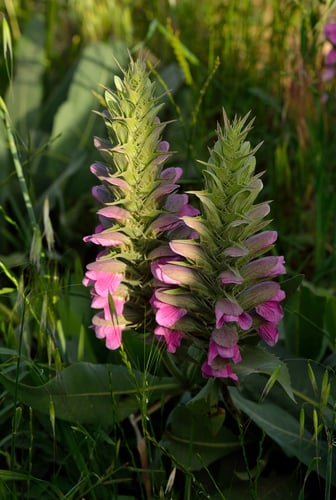
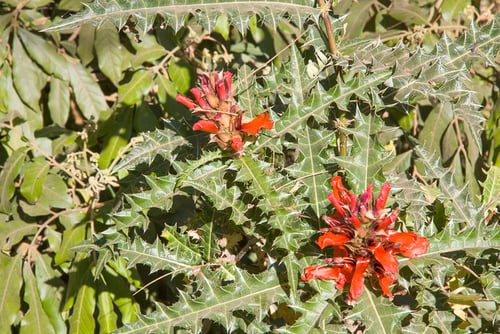
(c) Bart Wursten, some rights reserved (CC BY-NC), uploaded by Bart Wursten
iNaturalist· cc-by-nc
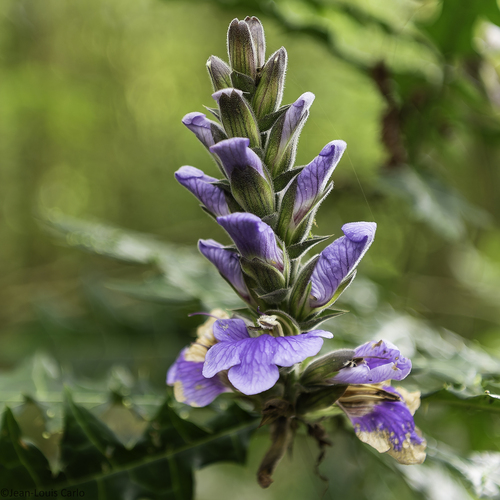
(c) andreaudzungwa, some rights reserved (CC BY-NC)
Description
A herb or shrub. It tends to lie over. It can grow 5 m tall. The leaves are dark green above and more pale underneath. The flowers are white.
This description is brief — help expand it
Edible Uses
The fruit and nuts are edible, and the flower nectar is sucked fresh by children.
Medicinal Uses
The leaves are pulped up after being passed through a fire and then used as an embrocation in the treatment of bronchitis. This same preparation is also eaten as a vegetable by women as an aid to conception. A leaf-decoction in palm wine is drunk in the treatment of stomach-complaints and as a remedy to food-poisoning.
Distribution
It is a tropical plant. In Ethiopia it grows between 600-1,600 m above sea level.
Where It Grows
Africa, Angola, Central Africa, Central African Republic, CAR, East Africa, Ethiopia, Nigeria, Southern Africa, Sudan, Tanzania, Zambia,
Cultivation
Prefers light to moderately heavy shade.
Other Uses
The leaves yield a black dye. The stems are used to make spinning spindles.
Production
Plants flower in January and February.
Other Information
The flower nectar is sucked by children.
Synonyms
Also Known As
Adibuch
References (6)
- Awas, T., 1997, A Study on the Ecology and Ethnobotany of Non-cultivated Food Plants and Wild Relatives of Cultivated crops in Gambella Region, Southwestern Ethiopia. Addis Ababa University. p 36
- Fowler, D. G., 2007, Zambian Plants: Their Vernacular Names and Uses. Kew. p 75
- Harris, D. J., 2002, The vascular plants of the Dzanga-Sangha Reserve, Central African Republic. National Botanic Garden of Belgium, 2002. – 274 pages p 38
- Herb., E. A., 1981,
- Lulekal, E., et al, 2011, Wild edible plants in Ethiopia: a review on their potential to combat food insecurity. Afrika Focus - Vol. 24, No 2. pp 71-121
Show all 6 references Hide references
- Peters, C. R., O'Brien, E. M., and Drummond, R.B., 1992, Edible Wild plants of Sub-saharan Africa. Kew. p 45