Moraea stricta
Baker
iNaturalist· cc-by-nc-nd
(c) Brendan Cole, some rights reserved (CC BY-NC-ND), uploaded by Brendan Cole
iNaturalist· cc-by-nc
(c) Courtney Hundermark, some rights reserved (CC BY-NC)
iNaturalist· cc-by
(c) Ryan van Huyssteen, some rights reserved (CC BY)
Description
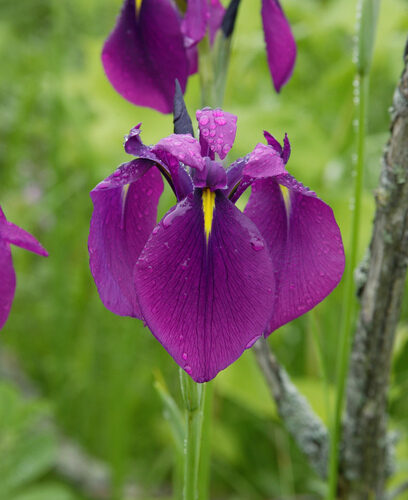
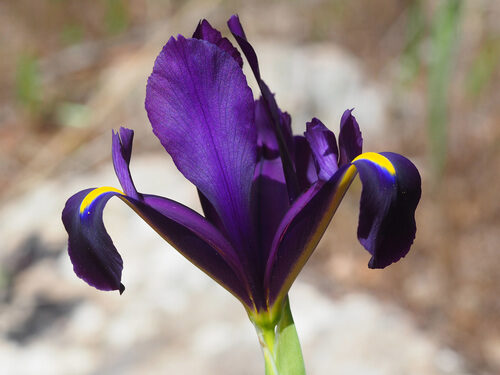
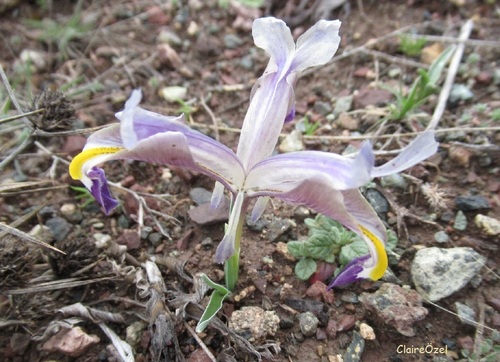
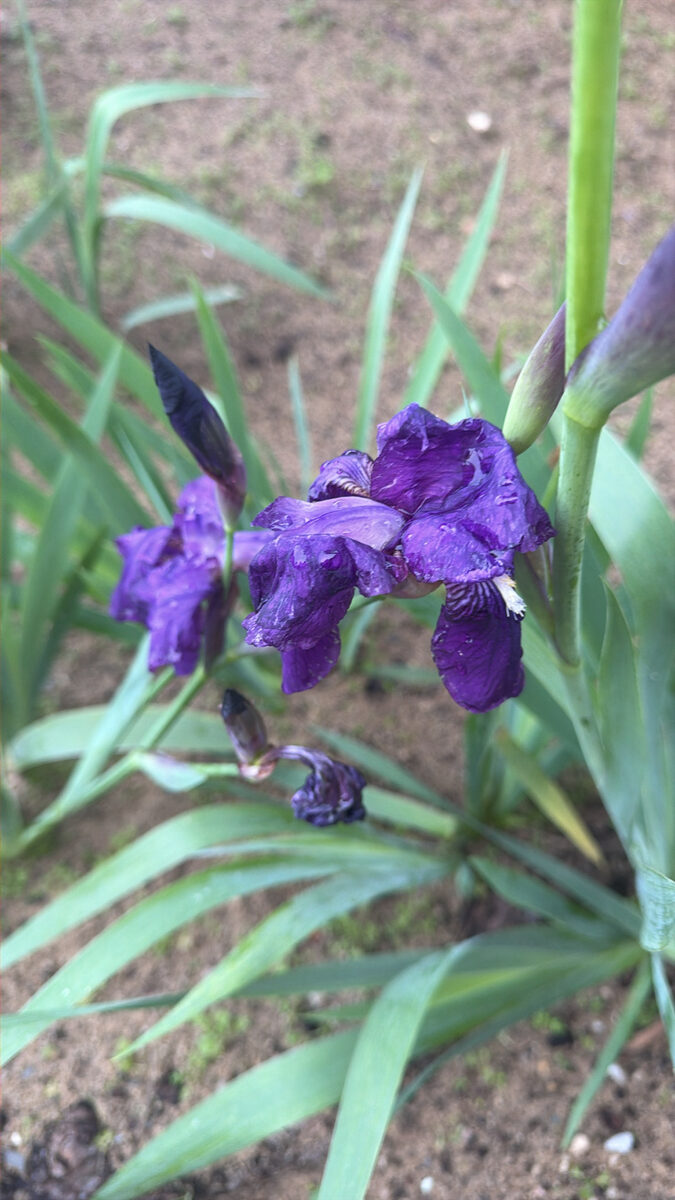
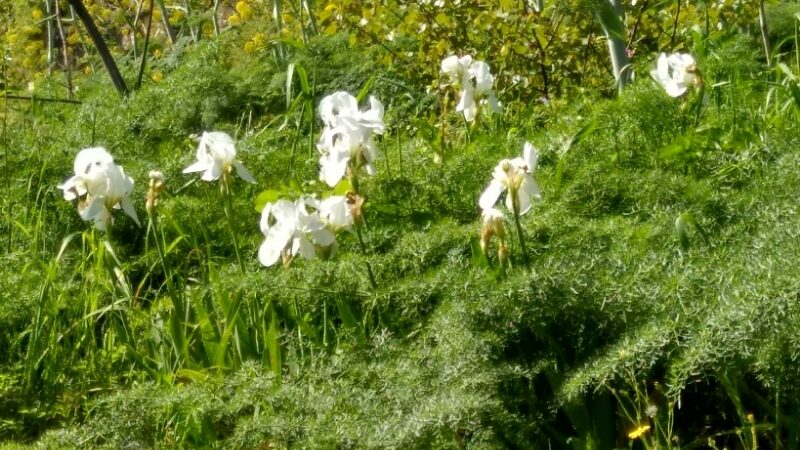
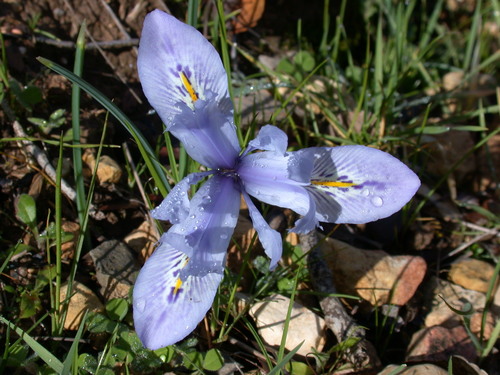
A herb. It keeps growing from year to year. It grows 15-25 cm high. The corms are 1-3 cm across. There is a single leaf. It is 1.5 mm wide and 60 cm long. The stem is branched with branches close to the stem. The flowers are pale lilac or blue with orange-yellow spots.
Edible Uses
The corms are eaten as a snack and cooked as a vegetable, particularly by children.
Traditional Uses
The corm or bulb is eaten as a snack and cooked as a vegetable.
This uses section is brief — help expand it
Known Hazards
Some Moraea species are very poisonous.
Distribution
It is a tropical plant. It grows in grassland and marshy places.
Where It Grows
Africa, Australia, East Africa, Eritrea, Eswatini, Ethiopia, Malawi, Mozambique, South Africa, Southern Africa, Swaziland, Zambia, Zimbabwe,
Other Information
The corms are eaten especially by children.
Notes
Caution: Some Moraea are very poisonous.
Synonyms
References (5)
- Guillarmod, J., 1971,
- Peters, C. R., O'Brien, E. M., and Drummond, R.B., 1992, Edible Wild plants of Sub-saharan Africa. Kew. p 34
- Ruiters-Welcome, A. K., 2019, Food plants of southern Africa. Ph.D. thesis. Univ. of Johannesburg p 68
- Swaziland's Flora Database http://www.sntc.org.sz/flora
- Welcome, A. K. & Van Wyk, B.-E., 2019, An inventory and analysis of the food plants of southern Africa. South African Journal of Botany 122 (2019) 136–179