Gladiolus atropurpureus
Baker
Dingy gladiolus
iNaturalist· cc-by-nc-sa
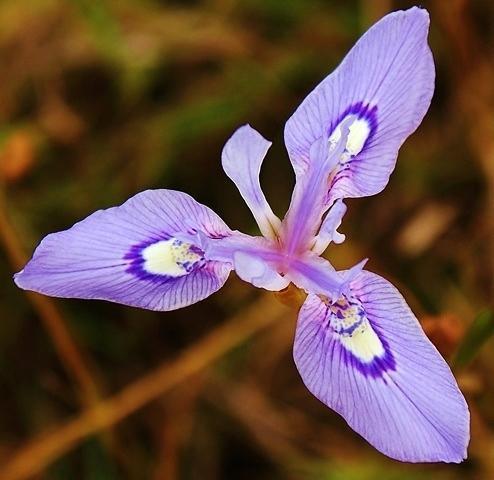
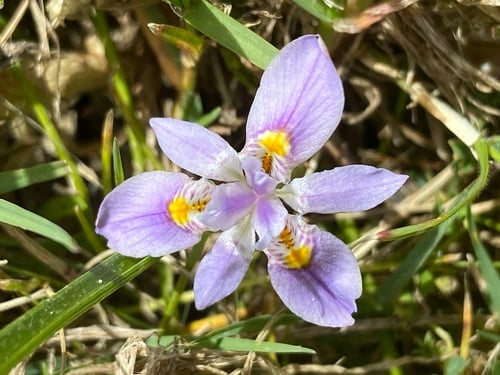
(c) Bart Wursten, some rights reserved (CC BY-NC-SA)
iNaturalist· cc-by
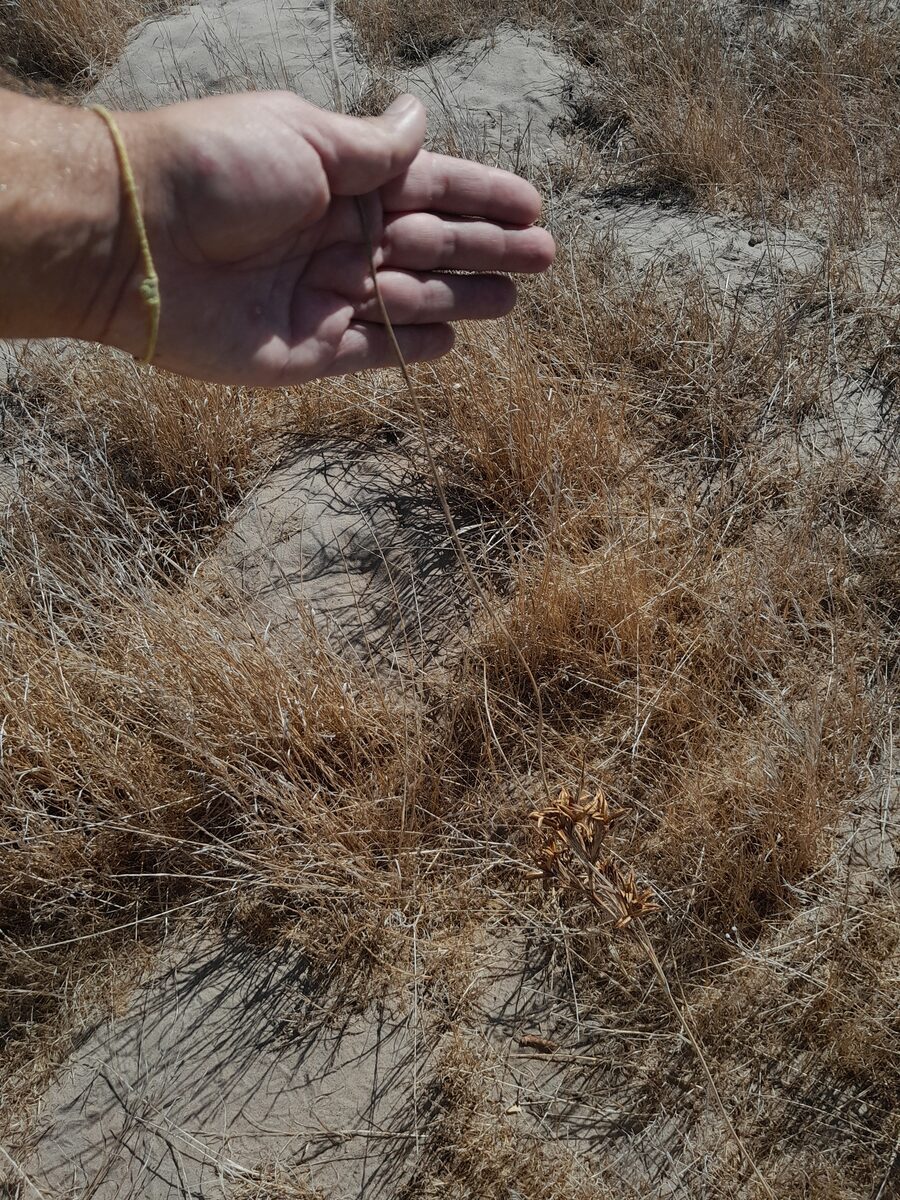
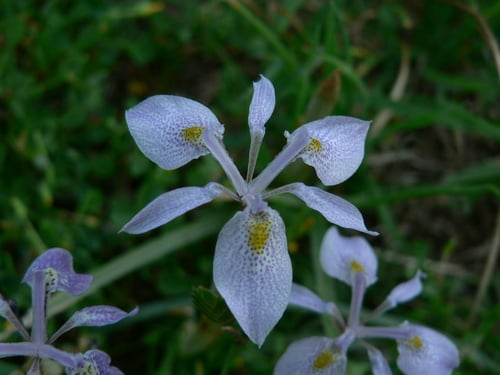
(c) i_c_riddell, some rights reserved (CC BY), uploaded by i_c_riddell
iNaturalist· cc-by-nc
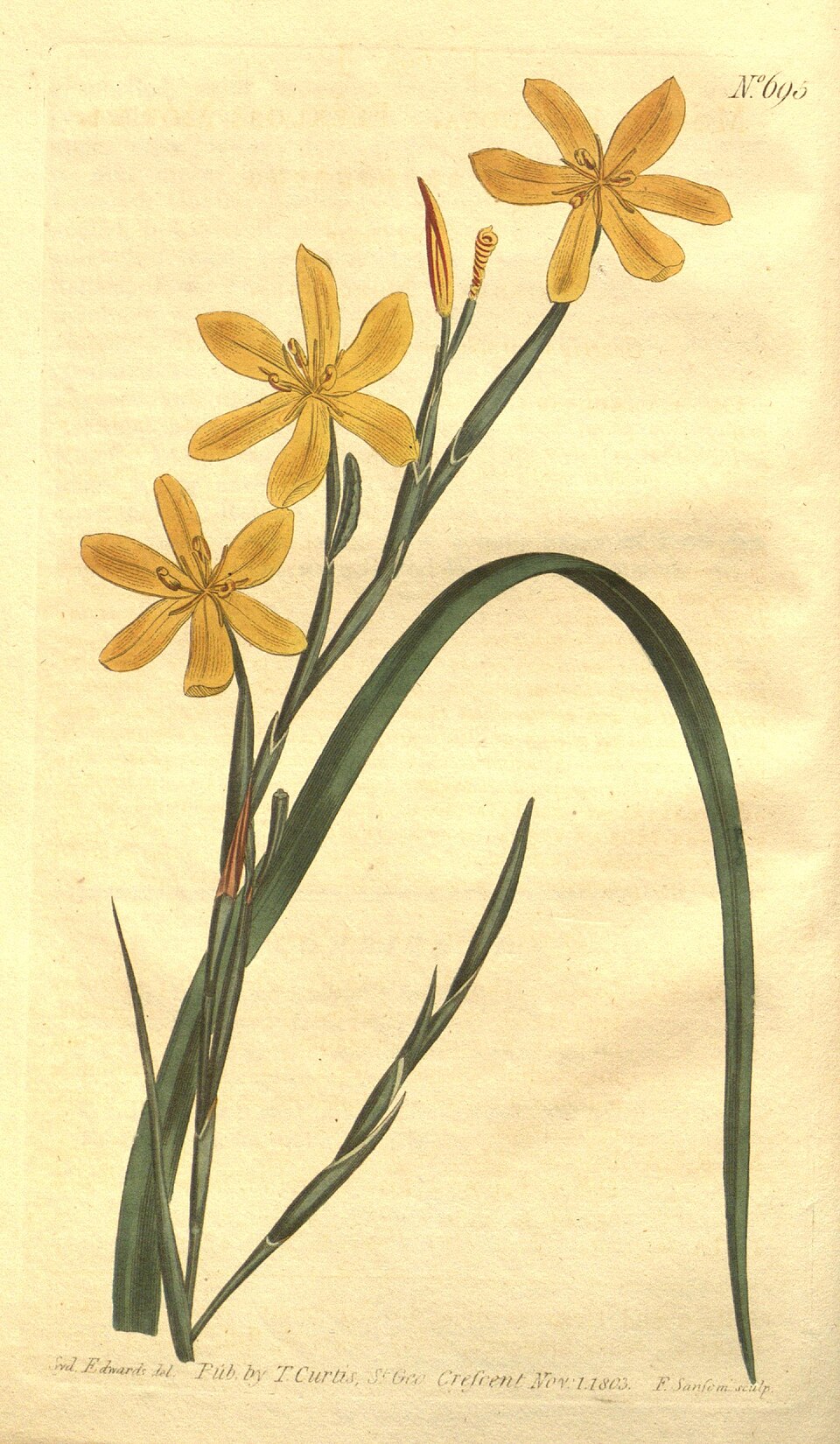
(c) andreaudzungwa, some rights reserved (CC BY-NC)
Description
A slender herb. It grows 30 cm high. It grows from a corm. The corm has thickened fibres around it. The corms are 2-3 cm across. The leaves develop separately after flowering. There are 3-4 leaves on the flowering stem. They form a sheath around the stem or have blades 5 cm long. There are single leaves on no flowering plants and these are 15-20 cm long. There are 5-10 flowers on a flowering stalk. The flowers are dull purple. The fruit is a capsule 12-18 mm long
Edible Uses
The corms are eaten in soup and are sold in markets.
Traditional Uses
The corms are eaten in soup.
This uses section is brief — help expand it
Distribution
It is a tropical plant. It grows in most places across the savannah in West Africa. It is often in rocky places.
Where It Grows
Africa, Angola, Burkina Faso, Burundi, Central Africa, Central African Republic, CAR, Congo, East Africa, Malawi, Mozambique, Senegal, Tanzania, West Africa, Zambia, Zimbabwe,
Other Information
The corms are sold in markets.
Notes
There are about 180 Gladiolus species.
Synonyms
References (3)
- Burkill, H. M., 1985, The useful plants of west tropical Africa, Vol. 2. Kew.
- Dalziel, J. M., 1937, The Useful plants of west tropical Africa. Crown Agents for the Colonies London.
- Peters, C. R., O'Brien, E. M., and Drummond, R.B., 1992, Edible Wild plants of Sub-saharan Africa. Kew. p 32