Crocus longiflorus
Raf.
Wild saffron, Italian crocus
iNaturalist· cc-by-nc-sa
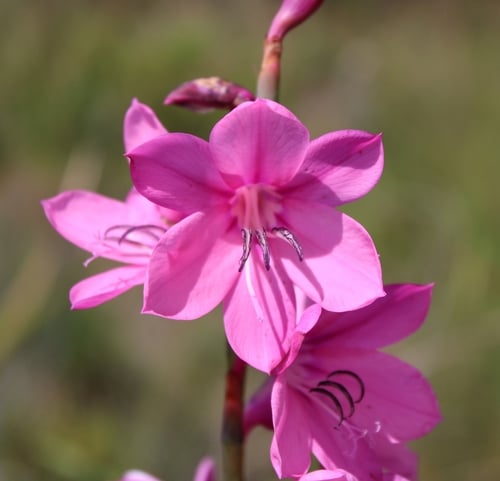
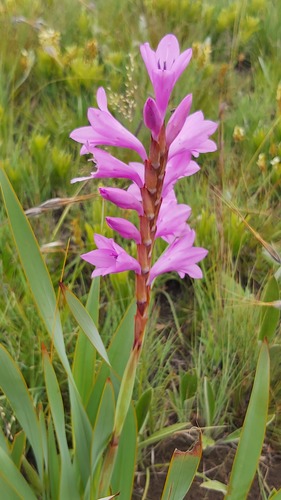
(c) Hubert K, some rights reserved (CC BY-NC-SA)
iNaturalist· cc-by-nc
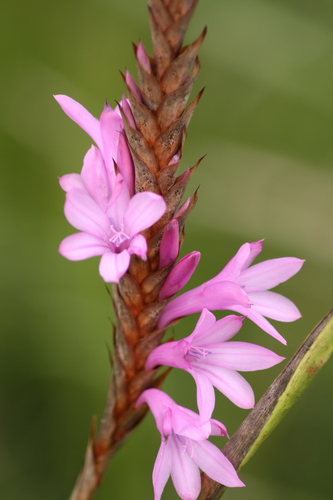
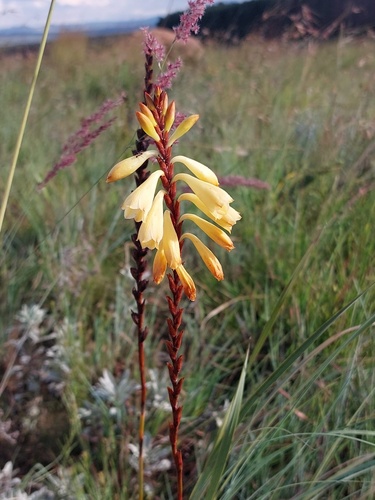
(c) Riccardo Novaga, some rights reserved (CC BY-NC)
iNaturalist· cc-by-nc
(c) Kuklín, some rights reserved (CC BY-NC), uploaded by Kuklín
Summary
Source: WikipediaCrocus longiflorus, the long-flowered crocus, is a species of flowering plant in the genus Crocus of the family Iridaceae, found in Southwest Italy, Sicilia, and Malta. Growing to 10 cm (3.9 in) tall, it is a cormous perennial. It produces pale lilac or purple blooms in autumn, along with the sword-shaped leaves. In the 19th century, Crocus longiflorus stigmas were harvested from the wild and used for saffron in Sicily. In cultivation in the UK, this plant is a recipient of the Royal Horticultural Society's Award of Garden Merit.
Description
A herbaceous crocus native to Mediterranean regions, recognized by its flowers with distinctive stigmas. The plant produces flowers that are eaten fresh and whose stigmas serve as a saffron substitute.
Edible Uses
The flowers are eaten raw, and the stigmas are used as a substitute for saffron as a dye.
Traditional Uses
The stigmas of the flowers are used as a substitute for saffron. The flowers are eaten raw.
This uses section is brief — help expand it
Distribution
It is a Mediterranean plant.
Where It Grows
Australia, Europe, France, Italy, Mediterranean, Sicily,
References (4)
- Caratt. 84. T. 19. 1810
- Facciola, S., 1998, Cornucopia 2: a Source Book of Edible Plants. Kampong Publications, p 122
- Jacobsen, A. L., February 2013: edible Crocus www.arthurleej.com/plant of the month.html
- Rivera, D. et al, 2006, Gathered Mediterranean Food Plants - Ethnobotanical Investigations and Historical Development, in Heinrich M, Müller WE, Galli C (eds): Local Mediterranean Food Plants and Nutraceuticals. Forum Nutr. Basel, Karger, 2006, vol 59, pp 18–74