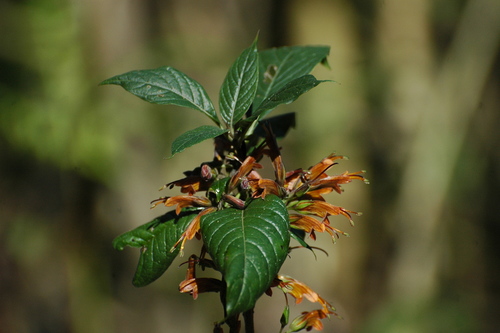
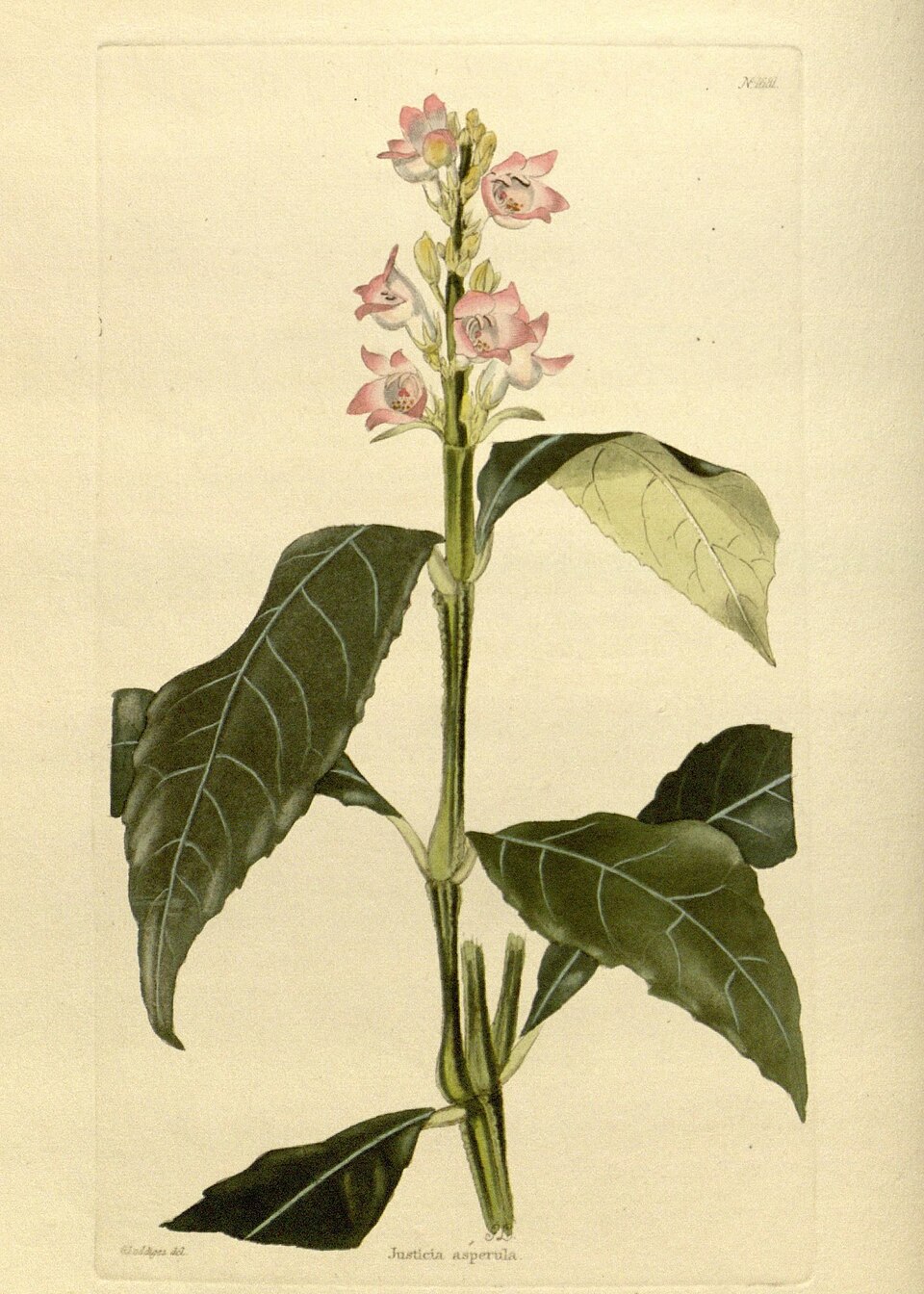
Hygrophila schulli
(F. Hamilton) M. R. & S. M. Almeida
Marsh barbel
iNaturalist· cc-by-nc
(c) Shriram Bhakare, some rights reserved (CC BY-NC)
iNaturalist· cc-by-nc
(c) Shriram Bhakare, some rights reserved (CC BY-NC)
iNaturalist· cc-by-nc
(c) Shiwalee Samant, some rights reserved (CC BY-NC)
Description
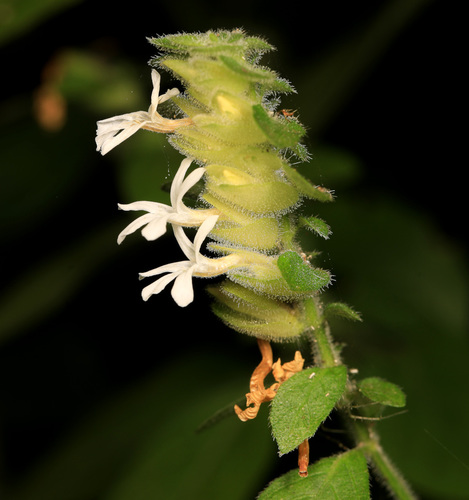
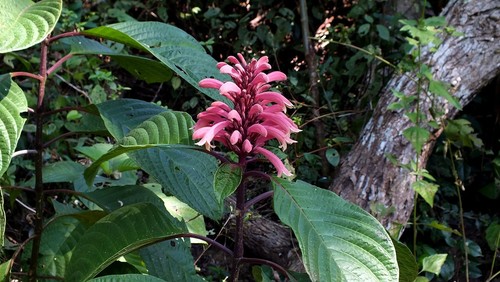
A herb or small shrub. It keeps growing from year to year. It has spines in the axils of the leaves. The flowers are in rings in the axils of leaves. They are blue, purple or pink.
Edible Uses
The leaves are dried and cooked as a vegetable.
Traditional Uses
The leaves are used dried. They are cooked as a vegetable.
This uses section is brief — help expand it
Medicinal Uses
In ayurveda, its seeds, roots and panchanga (pancha = five and anga = parts, i.e. root, flowers, stem, fruits and leaves as ash burnt together) are used as a medication. It has hepatoprotective and antioxidant activity and can reduce toxic accumulation from certain therapies.
Distribution
It is a tropical and subtropical plant. It grows in swamps and temporary pools and near canals, ditches and rice fields. In Uni of Calicut BG.
Where It Grows
Africa, Asia, East Africa, Ethiopia, India, Indochina, Myanmar, Northeastern India, SE Asia,
Cultivation
Plants can be grown from cuttings put into wet ground.
Notes
It is used in medicine.
Also Known As
Kozhimullan, Kulekhara, Utiwaello, Vayalchulli
References (6)
- Bandyopadhyay, S. et al, 2009, Wild edible plants of Koch Bihar district, West Bengal. Natural Products Radiance 8(1) 64-72
- Bandyopadhyay, S., et al, 2012, A Census of Wild Edible Plants from Howrah District, West Bengal, India. Proceedings of UGC sponsored National Seminar 2012
- Lulekal, E., et al, 2011, Wild edible plants in Ethiopia: a review on their potential to combat food insecurity. Afrika Focus - Vol. 24, No 2. pp 71-121
- Narayanan Ratheesh, M. K. et al, 2011, Wild edible plants used by the Kattunaikka, Paniya and Kuruma tribes of Wayanad District, Kerala, India. Journal of Medicinal Plants Research Vol. 5(15), pp. 3520-3529
- Romanowski, N., 2007, Edible Water Gardens. Hyland House. p 107
Show all 6 references Hide references
- Swapna, M. M. et al, 2011, A review on the medicinal and edible aspects of aquatic and wetland plants of India. J. Med. Plants Res. 5 (33) pp. 7163-7176