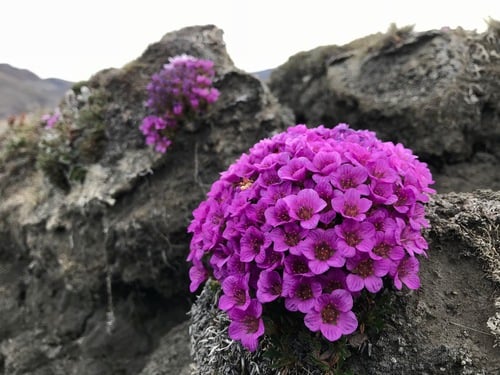
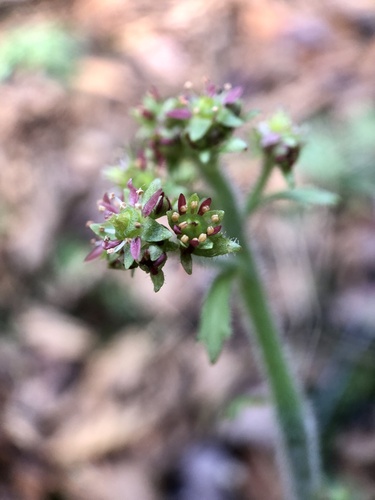
Darmera peltata
(Torr. ex Benth.) Voss
Indian rhubarb, Umbrella plant
iNaturalist· cc-by
(c) Matt Berger, some rights reserved (CC BY), uploaded by Matt Berger
iNaturalist· cc-by-nc
(c) Sadie Hickey, some rights reserved (CC BY-NC)
Summary
Source: WikipediaHerbaceous perennial reaching 1.2 m tall and 0.6 m wide with medium growth rate. Hardy to UK zone 6. Foliage May to October; flowers in April. Hermaphrodite flowers pollinated by insects. Grows in light sandy, medium loamy, and heavy clay soils across mildly acid to basic pH ranges. Tolerates semi-shade to full sun; prefers wet soil and can grow in water.
Description
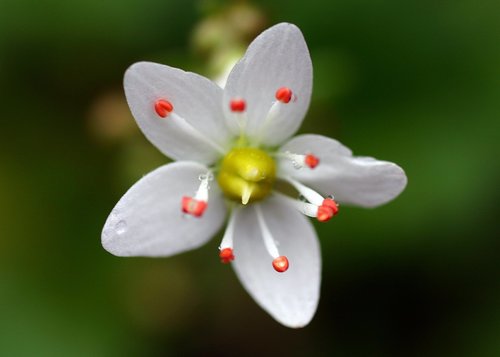
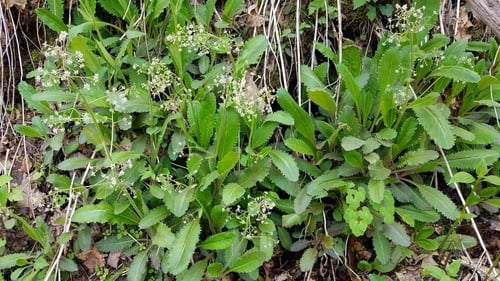
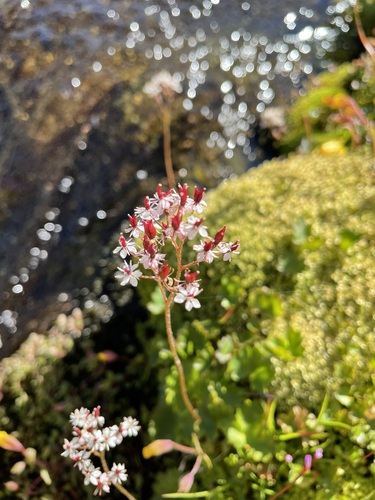
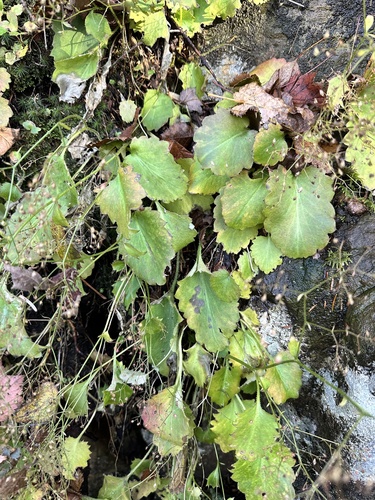
A herb. It has flattened underground stems or rhizomes. It has large leaves that are scalloped along the edge. The flowers are in pink and white heads. These appear before the leaves in spring.
Edible Uses
The leafstalk is edible — peel it and eat raw, cook it like asparagus, or add it to soups and stews.
Traditional Uses
The thick leaf stalks are peeled and lightly cooked and eaten. They are also peeled and eaten raw. They are also cooked like asparagus and added to stews and salads.
Medicinal Uses
None known
Distribution
It is a temperate plant. It grows near riverbanks. It grows in hardiness zones 5-9.
Where It Grows
North America, USA,
Cultivation
Plants can be grown from the creeping rhizome. The can also be grown from seed.
Propagation
Surface sow seed as soon as it is ripe or in early spring in a cold frame, keeping the soil very moist. Seed typically germinates in 1–3 months at 15°C. Once seedlings are large enough to handle, prick them out into individual pots and grow on in the greenhouse for at least their first winter, then plant out in late spring or early summer after the last expected frosts. Division in spring is very easy — larger clumps can be replanted directly into permanent positions, while smaller clumps are best potted up and grown on in a cold frame until rooting well before planting out in spring.
Other Uses
Can be grown as ground cover in a sunny position, with plants spaced approximately 60cm apart each way. Useful as a soil stabilizer for marshy land or muddy banks.
Synonyms
References (3)
- Facciola, S., 1998, Cornucopia 2: a Source Book of Edible Plants. Kampong Publications, p 229 (As Peltiphyllum peltatum)
- Jackes, D. A., Edible Forest Gardens
- Romanowski, N., 2007, Edible Water Gardens. Hyland House. p 106