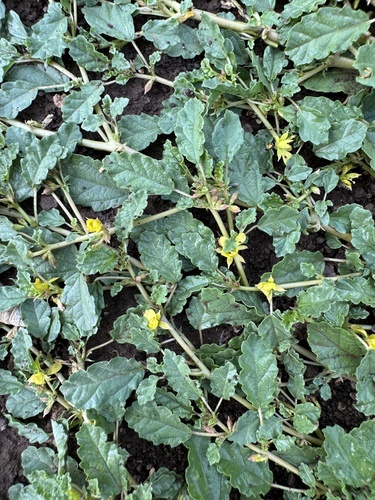
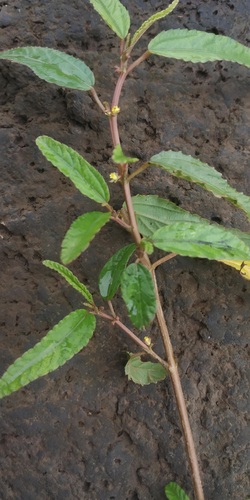
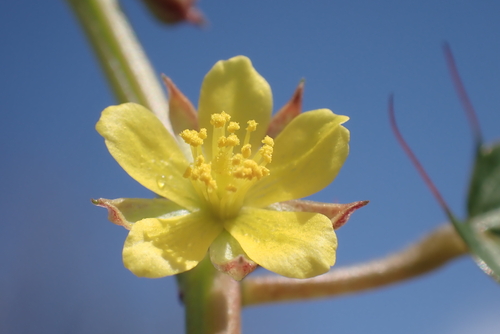
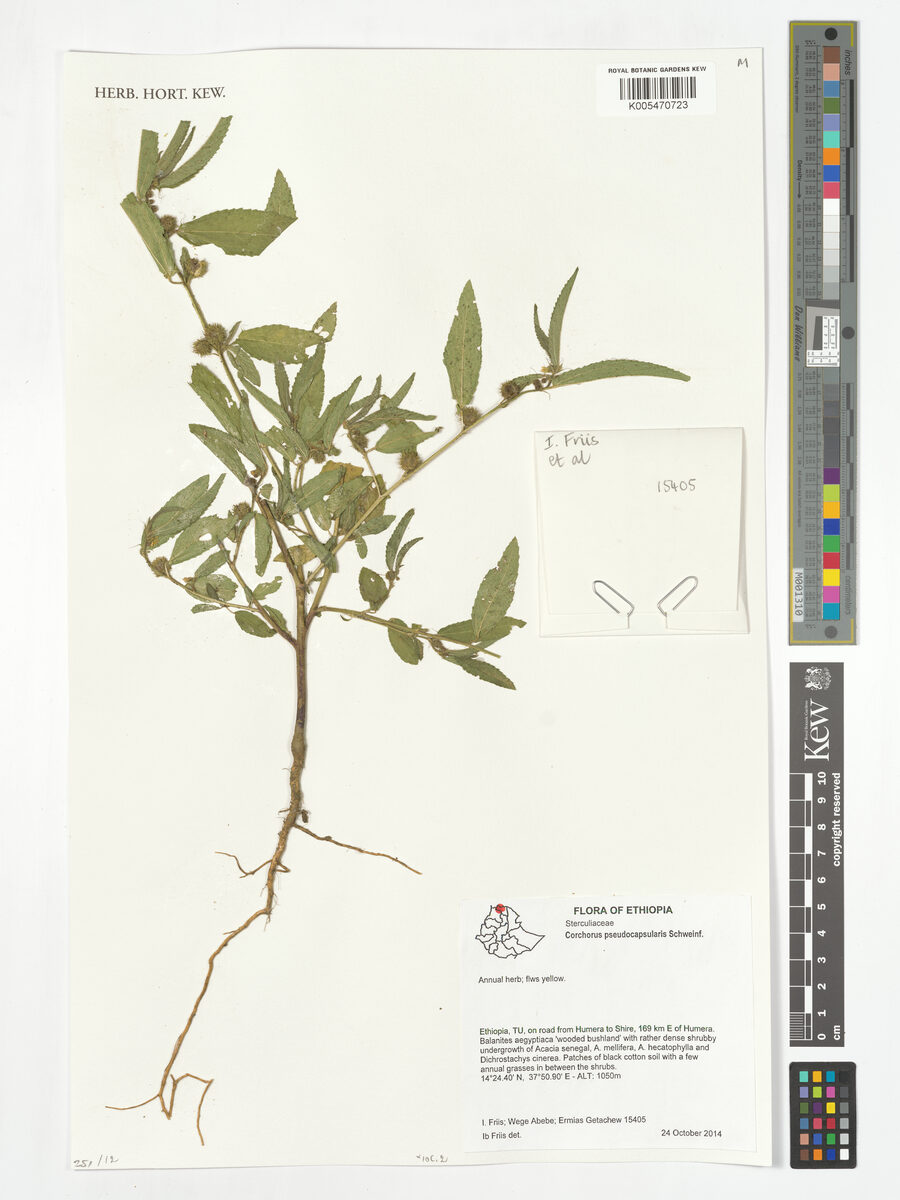
Brachychiton acerifolius
(A. Cunn. ex G. Don) F. Muell.
Flame tree, Flame kurrajong, Bottle Tree
iNaturalist· cc-by-nc-sa
(c) 106611639464075912591, some rights reserved (CC BY-NC-SA), uploaded by 106611639464075912591
iNaturalist· cc-by-nc
(c) wildflowergirl, some rights reserved (CC BY-NC), uploaded by wildflowergirl
iNaturalist· cc-by-nc
(c) Victor W Fazio III, some rights reserved (CC BY-NC), uploaded by Victor W Fazio III
Summary
Source: WikipediaBrachychiton acerifolius is a large tree of the family Malvaceae endemic to tropical and subtropical regions on the east coast of Australia. It is famous for the bright red bell-shaped flowers that often cover the whole tree when it is leafless. It is commonly known as the flame tree, Illawarra flame tree, lacebark tree, or (along with other members of the genus) kurrajong.
Description
A medium sized tree. It grows 12-15 m high. It can be 35 m tall. It can spread 6-12 m wide. The trunk is straight and stout. The crown is rounded in older trees. It loses its leaves for a short time before flowering. The leaves vary in shape. They are rough. They can be oval or deeply lobed. There can be 5 or 7 lobes. They are 8-20 cm long by 25 cm across. The flowers are bright red and bell shaped. They are about 1.5 cm across. They occur in large open panicles at the ends of branches. The fruit are boat shaped follicles. They are dark brown and woody. They are 10 cm long and occur in clusters. The seeds are oblong and have a hairy coat.
Edible Uses
The seeds are cleaned and roasted to make the skin easier to remove, or the seed kernel can be eaten raw.
Traditional Uses
Caution: The pods have irritant hairs which need to be avoided during harvesting. The seeds are cleaned then roasting makes the skin easier to removed. The seed kernel can also be eaten raw.
Known Hazards
There are irritating hairs inside the seedpods. Extreme caution must be taken with these hairs because they irritate the skin, are easily inhaled and have been known to cause blindness. Like many members of the Sterculiaceae, this species produces mucilage when wounded. The mucilage produced if the fruit is damaged by insects has a corrosive action and, if it should fall on any motor vehicle parked under the tree ithen t will often strip the paint from the vehicle.
Distribution
A tropical plant. It is native to N. Australia. It suits tropical and subtropical places. It will grow on a range of soils and in many climatic conditions. It grows naturally in warm, wet, coastal slopes in eastern Australia. In tropical Queensland it grows between sea level and 1000 m altitude. It can stand light frost. It needs well drained soil. It suits hardiness zones 9-10. Arboretum Tasmania.
Where It Grows
Africa, Australia, East Africa, Hawaii, Mozambique, Myanmar, Norfolk Island, Pacific, SE Asia, Singapore, Slovenia, Southern Africa, Tasmania, USA, Zimbabwe,
Cultivation
Plants can be grown from seed or softwood cuttings. Plants transplant easily. Seeds remain viable for several years. Seeds usually germinate in about 2-4 weeks.
Propagation
Seed - it usually germinates well, if erratically, when pre-soaked. Cuttings of ripe wood.
Other Uses
A fibre is obtained from the inner bark. It can be used to make twine for fishing nets and fishing lines. The bark is fully 5cm thick when the tree is fully grown, and furnishes bast with a most beautiful lace-like texture. The fibre is very simply prepared by steeping, and is suitable for cordage and nets, ropes, mats, baskets, etc. It is also useful as a paper material. The tow is of a very elastic nature, and is suitable for upholstering purposes, such as stuffing mattresses or pillows. A gum resembling gum tragacanth (Astragalus spp.) in appearance exudes from the trunk. This gum, however, does not thicken water, except to an almost inappreciable extent, and, therefore, could not have the same economic uses to which the very viscid tragacanth is put. An extract of the leaves is used as an ingredient in commercial cosmetic preparations as an antioxidant, flavouring, masking agent, perfume, hair conditioner and skin conditioner. A dye is obtained from the seed vessels. The heartwood is white; not clearly demarcated from the pale sapwood. The wood is straight-grained, coarse-textured, light in weight, soft, fibrous and not durable. Like other woods of this genus it can be torn away by the finger-nail, so it can have but a very limited use. It is used for plywood, in model making as a substitute for balsa wood and to make hat blocks.
Production
It grows slowly in cooler places.
Notes
There are about 30 Brachychiton species. Most are in Australia. Also put in the family Sterculiaceae.
Nutrition
| Part | Moisture | kJ | kcal | Protein | Vit A | Vit C | Iron | Zinc |
|---|---|---|---|---|---|---|---|---|
| Seed | 10.5 | 1932 | 462 | 20.3 | — | — | 4.3 | 1.4 |
| Gum | — | — | — | — | — | — | — | — |
Synonyms
Also Known As
Illawarra flame tree, Javorolistno plameneče drevo
References (40)
- Barwick, M., 2004, Tropical and Subtropical Trees. A Worldwide Encyclopedic Guide. Thames and Hudson p 56
- Blomberry, A.M., 1979, Australian Native Plants. Angus and Robertson p 184
- Bodkin, F., 1991, Encyclopedia Botanica. Cornstalk publishing, p 163
- Brickell, C. (Ed.), 1999, The Royal Horticultural Society A-Z Encyclopedia of Garden Plants. Convent Garden Books. p 186
- Cat. British Sect. Paris Universal Exhib. 116. 1855 (Hooker's J. Bot. Kew Gard. Misc. 9:198. 1857; W. Macarthur & C. Moore, Cat. coll. bois. indig. 6. 1855, nom. inval.)
Show all 40 references Hide references
- Caton, J.M. & Hardwick, R. J., 2016, Field Guide to Useful Native Plants from Temperate Australia. Harbour Publishing House. p 188
- Cherikoff V. & Isaacs, J., The Bush Food Handbook. How to gather, grow, process and cook Australian Wild Foods. Ti Tree Press, Australia p 57, 194, 198
- Cooper, W. and Cooper, W., 2004, Fruits of the Australian Tropical Rainforest. Nokomis Editions, Victoria, Australia. p 528
- Cronin, L., 1989, The Concise Australian Flora. Reed. p 170
- Cundall, P., (ed.), 2004, Gardening Australia: flora: the gardener's bible. ABC Books. p 249
- Dharani, N., 2002, Field Guide to common Trees & Shrubs of East Africa. Struik. p 60
- Elliot, W.R., & Jones, D.L., 1982, Encyclopedia of Australian Plants suitable for cultivation. Vol 2. Lothian. p 364
- Etherington, K., & Imwold, D., (Eds), 2001, Botanica's Trees & Shrubs. The illustrated A-Z of over 8500 trees and shrubs. Random House, Australia. p 138
- Flora of Australia Volume 49, Oceanic Islands 1, Australian Government Publishing Service, Canberra. (1994) p 109
- Greig, D., 1996, Flowering Natives for Home Gardens. Angus & Robertson. p 85
- Hall, N. et al, 1972, The Use of Trees and Shrubs in the Dry Country of Australia, AGPS, Canberra. p 202
- Hardwick, R.J., 2000, Nature's Larder. A Field Guide to the Native Food Plants of the NSW South Coast. Homosapien Books. p 75
- Haslam, S., 2004, Noosa's Native Plants. Noosa Integrated Catchment Assn. Inc. p 327
- Hinton, B & B., 1982, A Wilderness in Bloom. Wildflowers of tropical Australia. p 27
- Holliday, I., 1989, A Field Guide to Australian Trees. Hamlyn. p 78
- Jackes, B.R., 2001, Plants of the Tropics. Rainforest to Heath. An Identification Guide. James Cook University. p 84
- Jones D, L, 1986, Ornamental Rainforest Plants in Australia, Reed Books, p 198
- Lazarides, M. & Hince, B., 1993, Handbook of Economic Plants of Australia, CSIRO. p 36
- Lord, E.E., & Willis, J.H., 1999, Shrubs and Trees for Australian gardens. Lothian. p 12
- Low, T., 1991, Wild Food Plants of Australia. Australian Nature FieldGuide, Angus & Robertson. p 183
- Low, T., 1992, Bush Tucker. Australia’s Wild Food Harvest. Angus & Robertson. p 92
- Molyneux, B & Forrester, S., 1997, The Austraflora A-Z of Australian Plants. Reed. p 57
- Nicholson, N & H., 1996, Australian Rainforest Plants, Terania Rainforest Publishing. NSW. p 3, 16
- Perry, F., and Hay, R., 1982, Guide to Tropical and Subtropical Plants. Sun Books p 16
- Radke, P & A, Sankowsky, G & N., 1993, Growing Australian Tropical Plants. Frith & Frith, Australia. p 24
- Ratcliffe D & P., 1987, Australian Native Plants for Indoors. Little Hills press. p 63
- Recher, P, 2001, Fruit Spirit Botanical Gardens Plant Index. www.nrg.com.au/~recher/ seedlist.html p 4
- Schuler, S., (Ed.), 1977, Simon & Schuster's Guide to Trees. Simon & Schuster. No. 86 (As Brachychiton acerifolium)
- Staples, G.W. and Herbst, D.R., 2005, A tropical Garden Flora. Bishop Museum Press, Honolulu, Hawaii. p 544
- Steenbeeke, Greg as part of the Plants Directory project. List of plant species from northern NSW that may be used as food plants p 11
- Townsend, K., 1994, Across the Top. Gardening with Australian Plants in the tropics. Society for Growing Australian Plants, Townsville Branch Inc. p 104
- Wickens, G.E., 1995, Edible Nuts. FAO Non-wood forest products. FAO, Rome. p154
- Williams, J.B., Harden, G.J., and McDonald, W.J.F., 1984, Trees and shrubs in rainforests of New South Wales and Southern Queensland. Univ. of New England, Armidale. p 62, 98
- www.ceres.org/au/bushfood catalogue
- Young, J., (Ed.), 2001, Botanica's Pocket Trees and Shrubs. Random House. p 145