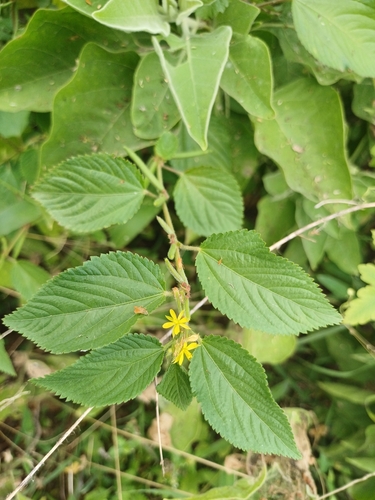
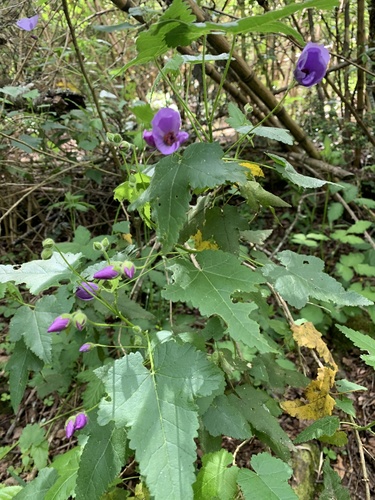
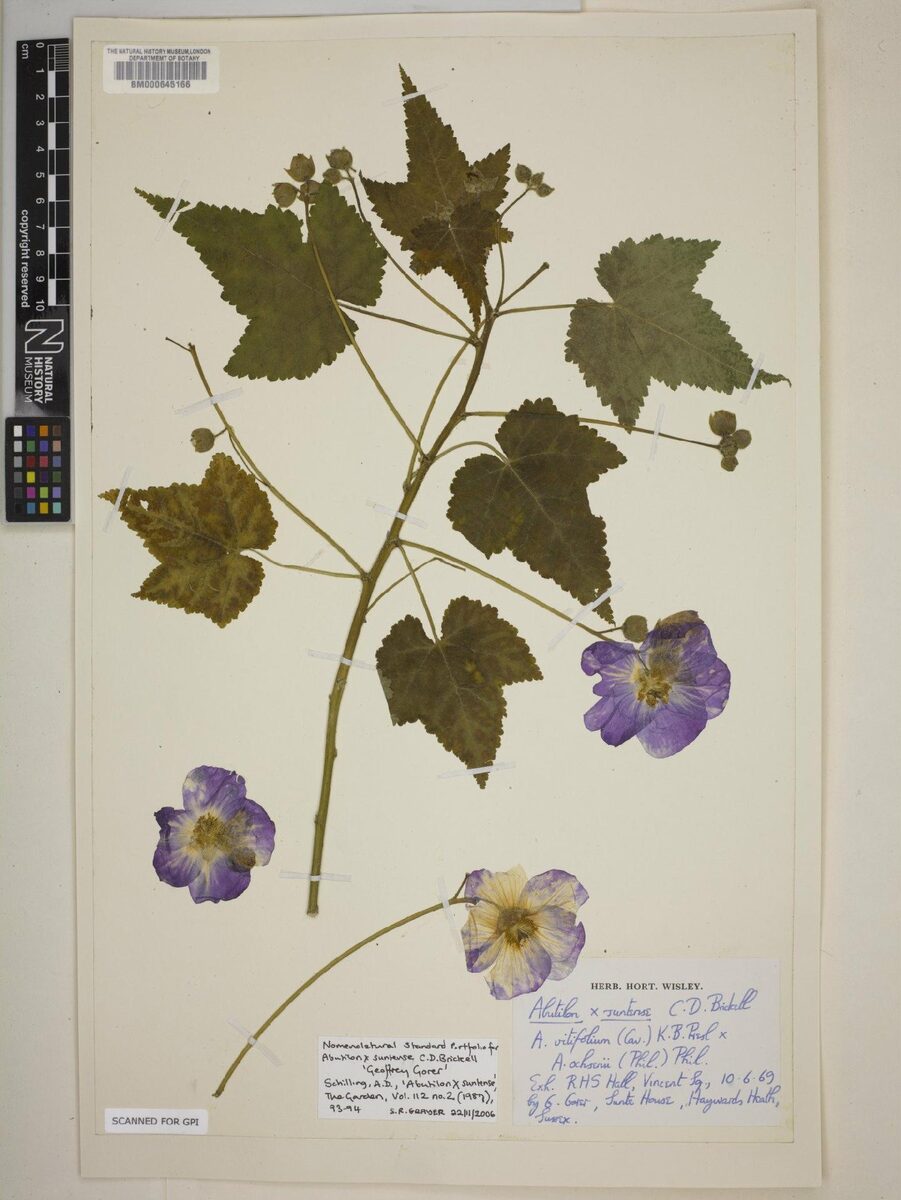
Hoheria sexstylosa
Colenso
Lacebark, Ribbonwood
iNaturalist· cc-by-nc
(c) Ruby MacGillivray, some rights reserved (CC BY-NC), uploaded by Ruby MacGillivray
iNaturalist· cc0
no rights reserved, uploaded by Peter de Lange
iNaturalist· cc-by-nc
(c) wadia, some rights reserved (CC BY-NC), uploaded by wadia
Summary
Source: WikipediaHoheria sexstylosa, the long-leaved lacebark or ribbonwood, is a species of flowering plant in the family Malvaceae, endemic to New Zealand. It is an evergreen tree or shrub growing to 8 m (26 ft) tall by 6 m (20 ft) broad with glossy green leaves, and white flowers in summer and autumn. The Latin specific epithet sexstylosa means "six styles". In cultivation it is frost-hardy but requires a protected site. The cultivar 'Stardust' has gained the Royal Horticultural Society's Award of Garden Merit.
Description
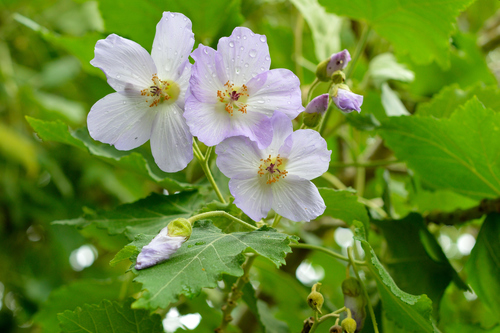
A tree. It grows 8 m tall and spreads 6 m wide. The leaves are leathery and have teeth. The flowers are large and white.
This description is brief — help expand it
Edible Uses
The inner bark is edible but is considered a famine food, used only in times of scarcity. No further details are given, though inner bark of this type is commonly dried, ground into a powder, and used as a soup thickener or mixed with cereals when making bread.
Medicinal Uses
No medicinal uses are known for this plant.
Distribution
It is a temperate plant.
Where It Grows
New Zealand,
Cultivation
Grows in any good, well-drained soil. Requires a position in full sun or dappled shade, succeeding in acid or alkaline soils. Plants grown in a soil that is overly rich produce a lot of sappy growth that is more susceptible to frost damage. Withstands strong winds but is best if given protection from cold north-easterly winds. Another report says that it requires a position sheltered from strong winds. Prefers a moist atmosphere. Prefers a maritime climate. Plants grow best in an open clearing in a woodland garden. A very ornamental and fast growing tree, it is only hardy in the milder areas of the country, tolerating temperatures down to about -15°c. Plants are prone to damage at temperatures lower than -5°c and are defoliated in cold winters. A very variable plant, leaves of young plants are often deeply lobed but on older plants they are more or less entire and toothed. Juvenile plants also have a compact shrubby habit, quite unlike the mature plant. Often self-sows. Plants are subject to attacks by the coral-spot fungus, especially after cool wet summers. Plants in this genus are notably resistant to honey fungus. A good butterfly plant.
Propagation
Sow seed in autumn in a greenhouse, where it generally germinates freely. Prick seedlings into individual pots when large enough to handle and grow on in the greenhouse for at least their first winter. Plant out into permanent positions in late spring or early summer, after the last expected frosts. Cuttings of half-ripe wood, 7–10cm with a heel, taken in July/August and placed in a shady position in a frame in 12cm pots give a fair to good success rate. Layering in April takes 12 months to root.
Other Uses
The following uses are recorded for the closely related H. populnea and may also apply to this species. A very strong fibre obtained from the inner bark is used for ropes and cord, and also decoratively in basket making and for bonnets. The wood is white, very tough, and valued by cabinet makers; it also makes an excellent fuel.
Synonyms
Also Known As
Houhi ongaonga
References (1)
- Crowe, A., 1997, A Field Guide to the Native Edible Plants of New Zealand. Penguin. p 154 (As Hoheria populnea var. lanceolata)