Armillaria novae-zelandiae
(G. Stev.) Boesew.
Honey mushroom, Bootlace mushroom
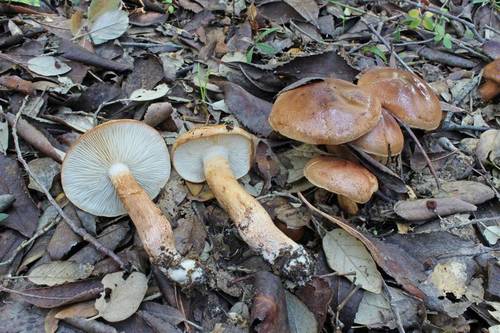
iNaturalist· cc-by-nc
(c) jeremyhegge, some rights reserved (CC BY-NC), uploaded by jeremyhegge
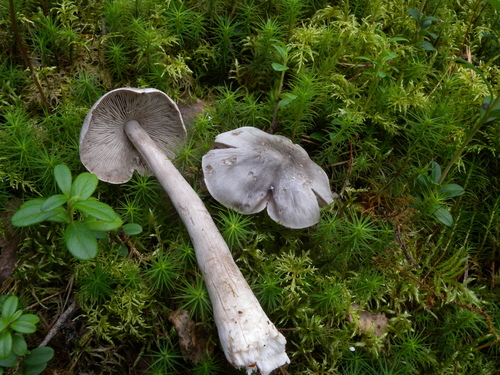
iNaturalist· cc-by-nc
(c) Eric van den Berghe, some rights reserved (CC BY-NC), uploaded by Eric van den Berghe
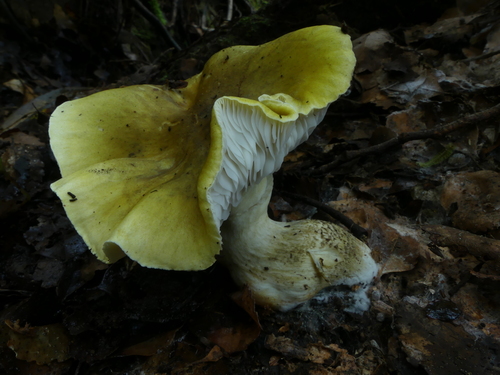
iNaturalist· cc-by-nc
(c) jaylichter, some rights reserved (CC BY-NC)
Summary
Source: WikipediaArmillaria novae-zelandiae is a species of mushroom-forming fungus in the family Physalacriaceae. This plant pathogen species is one of four Armillaria species that have been identified in Aotearoa New Zealand, alongside A. limonea, A. hinnulea, A. aotearoa. In Aotearoa New Zealand the Te Reo name is harore, the English vernacular name is olive honeycap, and the diseases caused by Armillaria species are called root rot.
Description
A temperate mushroom in the family Tricholomataceae, also known as the honey mushroom or bootlace mushroom.
This description is brief — help expand it
Edible Uses
The mushroom is edible when cooked.
Traditional Uses
Edible when cooked.
This uses section is brief — help expand it
Distribution
It is a temperate plant.
Where It Grows
Argentina, Asia, Australia, Chile, China, New Zealand*, Tasmania,
Dangerous Lookalikes
This plant can be confused with the following toxic species. Always verify identification carefully before consuming any wild plant.
Deadly Galerina (Funeral Bell)
Galerina marginata
Alan Rockefeller
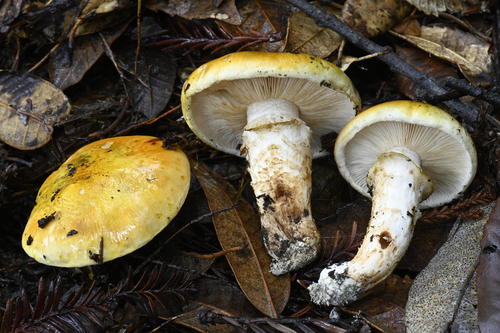
Honey mushroom
Armillaria novae-zelandiae
(c) jeremyhegge, some rights reserved (CC BY-NC), uploaded by jeremyhegge
Deadly Galerina (Funeral Bell): Rusty-brown spore print, smooth brown cap, thin fragile ring, grows in smaller clusters.
Honey mushroom: White spore print, brown-black scales on cap, prominent white ring on stem, grows in large clusters.
Also Known As
Xinxilan zhenmo
References (2)
- Crowe, A., 1997, A Field Guide to the Native Edible Plants of New Zealand. Penguin. p 132
- Hall, I. R., et al, 2003, Edible and Poisonous Mushrooms of the World. Timber Press. p 140, 315