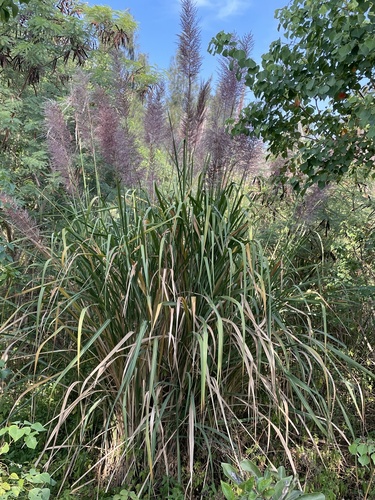
Oryza latifolia
Desv.
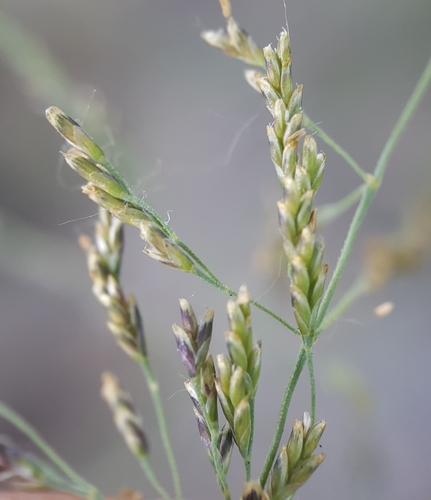
iNaturalist· cc-by-nc
(c) gavin_miller, some rights reserved (CC BY-NC)
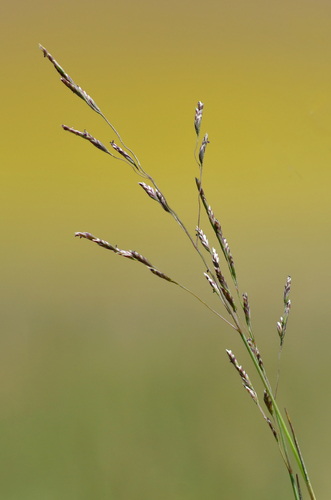
iNaturalist· cc-by-nc
(c) gavin_miller, some rights reserved (CC BY-NC)
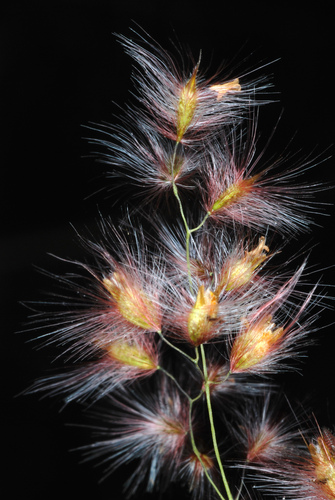
iNaturalist· cc-by-nc
(c) Gustavo Marino, some rights reserved (CC BY-NC)
Summary
Source: WikipediaOryza latifolia, the broadleaf rice, is a widespread species of grass (family Poaceae). It is native to wetter areas of Latin America and the Caribbean, and has been introduced to India, Bangladesh, Myanmar, Laos, and Vietnam. A facultative aquatic perennial, if flooded it can adapt by growing considerably taller.
Description
A grass. It keeps growing from year to year. It grows 1-3 m tall. The flower panicle is 25-50 cm tall.
This description is brief — help expand it
Edible Uses
The seeds are dried in the sun, have their skins removed, and are then cooked for consumption.
Traditional Uses
The seeds are dried in the sun then have the skins removed and are cooked.
This uses section is brief — help expand it
Distribution
It is a tropical plant. In Argentina it grows below 500 m above sea level.
Where It Grows
Africa, Argentina, Asia, Bangladesh, Brazil, Central America*, Cuba*, Dominican Republic*, East Africa, Guiana, Guianas, Guyana, Haiti, Mexico*, Mozambique, Myanmar, North America, Paraguay, Puerto Rico*, SE Asia, South America*, Suriname, Venezuela, West Indies*,
Cultivation
Succeeds in semi shade and full sun. Grows wild on sandy seashores, moist clay, rarely on salt flats. Plants can be in flower in all months of the year.
Propagation
Seed. The seed of wild rice less than 12 months old often exhibits strong dormancy, which implies (though this has not been established) that the seed retains its viability for a considerable period. Heat treatment is generally effective in breaking dormancy - alternating temperatures between 34°c for 16 hours then 11°c for 8 hours is usually effective, though the time taken varies between species. Surface sow the seed in light shade and do not allow to dry out. Seed should germinate within 7 days at 30°c. Prick out 2 - 3 seedlings into individual pots when large enough to handle and, after a few days, move to a sunny position. Grow on until large enough to plant out.
Other Uses
The cortex/epidermis is used to cut hair. Because they are a source of resistance to or tolerance of biotic and abiotic stresses, the most important use of the various species of wild rice is probably in breeding programmes to improve the species of cultivated rice.
Notes
This is a tetraploid species with CCDD genome.
Nutrition
| Part | Moisture | kJ | kcal | Protein | Vit A | Vit C | Iron | Zinc |
|---|---|---|---|---|---|---|---|---|
| Seeds | 9.6 | — | 315 | 9.8 | — | — | — | — |
Also Known As
Arroz, Arroz-do-campo, Capim-arroz, Matchamo
References (5)
- J. Bot. Agric. 1:77. 1813
- Bortolotto, I. M., et al, 2015, Knowledge and use of wild edible plants in rural communities along Paraguay River, Pantanal, Brazil. Journal or Ethnobiology and Ethnomedicine. 11:46
- Bortolotto, I. M., et al, 2018, Lista preliminar das plantas alimenticias nativas de Mato Grosso do Sul, Brasil. Iheringia, Serie Botanica, Porto Alegre, 73 (supl.):101-116
- Bortholotto, I. M. et al, 2021, Food Composition Data: Edible Plants of Patanal. p307 In Jacob. U.P (Eds) Local Food Plants of Brazil. Ethnobiology.
- Plants of Haiti Smithsonian Institute http://botany.si.edu/antilles/West Indies