Brachiaria deflexa
(Schum.) C. E. Hubb. ex Robyns
Animal fonio, Guinea millet, False signal grass
iNaturalist· cc-by-nc-sa
(c) Rob Palmer, some rights reserved (CC BY-NC-SA)
iNaturalist· cc-by-nc-sa
(c) Rob Palmer, some rights reserved (CC BY-NC-SA)
iNaturalist· cc-by-nc
(c) Bart Wursten, some rights reserved (CC BY-NC)
Description
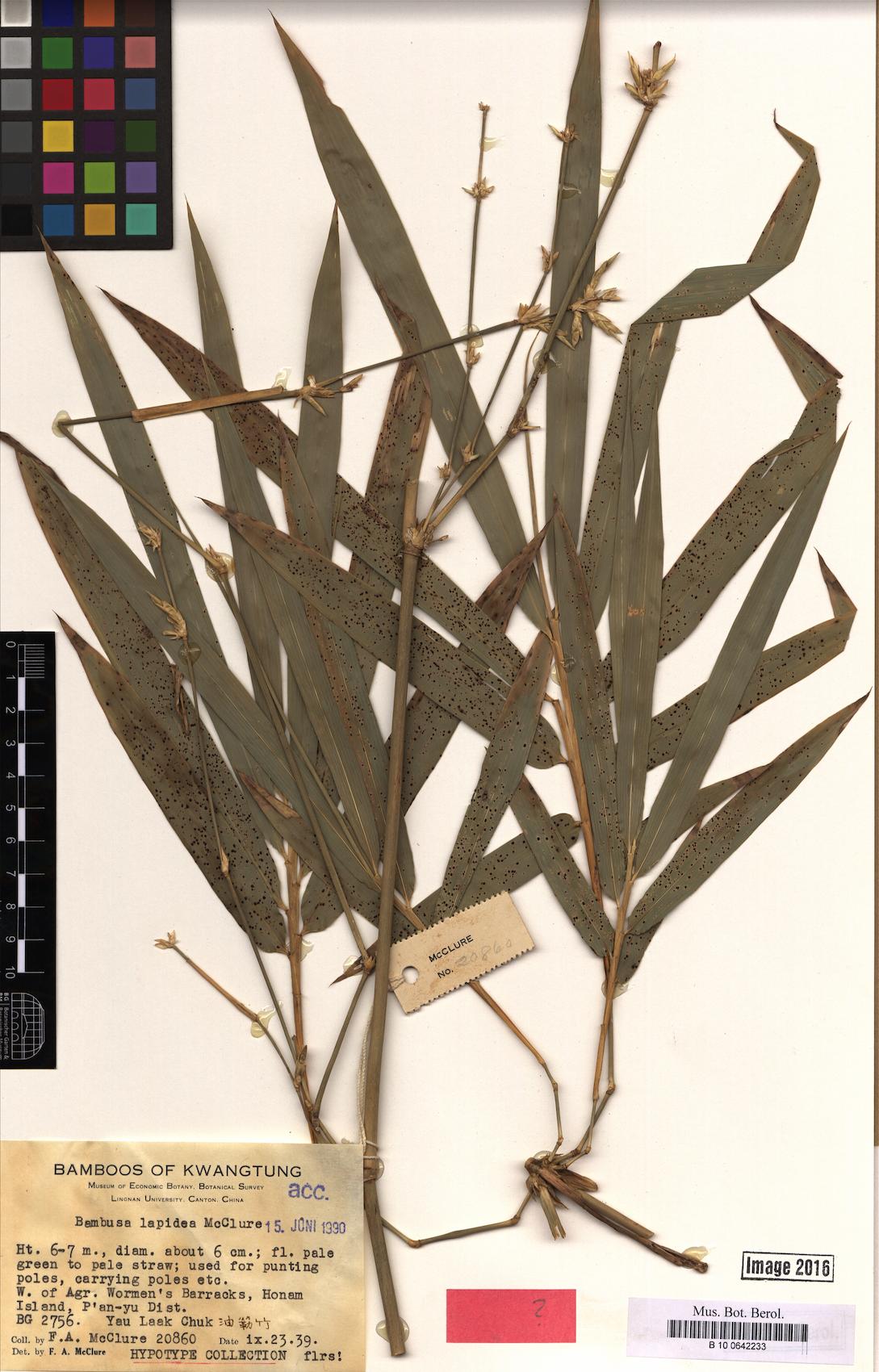
A wild millet grass. It is similar to Brachiaria ramosa. It grows each year from seed. It is a loosely tufted annual grass. It grows 15-70 cm high. The leaf blades are narrow and 4-25 cm long by 4-22 mm wide.
Edible Uses
Seeds are used as a cereal and the plant is occasionally grown as a food crop.
Distribution
A tropical plant. It grows in the savannah in Africa. It is sown in the Futa Jalon Highlands in West Africa. It is rare in Swaziland. It is common at medium to low altitudes in Zimbabwe. In Zimbabwe it grows up to 1,290 m above sea level. It can grow in light shade. Plants grow on clayey soils.
Where It Grows
Africa, Asia, Botswana, Burkina Faso, Central Africa, Chad, Congo, East Africa, Eswatini, Gambia, Ghana, Guinea, Guinée, Guinea-Bissau, India, Kenya, Madagascar, Mali, Middle East, Mozambique, Pakistan, Papua New Guinea, PNG, Senegal, South Africa, Southern Africa, Sudan, Swaziland, West Africa, Yemen, Zambia, Zimbabwe,
Cultivation
Prefers a slightly shady location. Grows best in a well-drained, fertile soil. Established plants are drought tolerant. The plant is a common weed of cultivation within its native range, being found in arable land, under plantation crops and in flower gardens. Some types mature in as little as 70 - 75 days, but most types take 90 - 130 days to reach maturity. The plant can be considered as one of the ‘kreb’ group of grasses, which includes species such as Echinochloa pyramidalis and Panicum turgidum. These species occur in the Sahel region and are collected for human consumption, especially in times of food shortage. The plant is somewhat similar to another grain crop, Digitaria exilis, though this species grows faster than D. Exilis, but requires a richer soil and better drainage. The wild plant shows some variability, and in the Fouta Djallon area on the Guinea-Mali border a cultivar is grown that is non-shattering.
Other Information
It is occasionally grown as a food plant.
Notes
There are about 100 Brachiaria species.
Synonyms
Also Known As
Ahipody, Ahipotsy, Kamdallah, Naheke-reke
References (20)
- Abbiw, D.K., 1990, Useful Plants of Ghana. West African uses of wild and cultivated plants. Intermediate Technology Publications and the Royal Botanic Gardens, Kew. p 26 (As Pseudobracharia deflexa)
- Bircher, A. G. & Bircher, W. H., 2000, Encyclopedia of Fruit Trees and Edible Flowering Plants in Egypt and the Subtropics. AUC Press. p 63
- Bull. Jard. Bot. Etat 9:181. 1932
- Busson, 1965,
- CRÉAC'H (As Brachiaria regularis)
Show all 20 references Hide references
- Flora of Pakistan. www.eFloras.org
- Fowler, D. G., 2007, Zambian Plants: Their Vernacular Names and Uses. Kew. p 69
- Gallagher, D. E., 2010, Farming beyond the escarpment: Society, Environment, and Mobility in Precolonial Southeastern Burkina Faso. PhD University of Michigan.
- Grivetti, L. E., 1980, Agricultural development: present and potential role of edible wild plants. Part 2: Sub-Saharan Africa, Report to the Department of State Agency for International Development. p 73
- INFOODSUpdatedFGU-list.xls
- Jardin, C., 1970, List of Foods Used In Africa, FAO Nutrition Information Document Series No 2.p 1
- Kiple, K.F. & Ornelas, K.C., (eds), 2000, The Cambridge World History of Food. CUP p 116
- Long, C., 2005, Swaziland's Flora - siSwati names and Uses http://www.sntc.org.sz/flora/
- Peters, C. R., O'Brien, E. M., and Drummond, R.B., 1992, Edible Wild plants of Sub-saharan Africa. Kew. p 19
- Porteres, R. 1951, Une cereal mineure cultivee dans l'Ouest-Afrique (Bracharia deflexa C.E.Hubbard var. sativa var. nov. L'Aronomique Tropicale 6:38-42
- PROSEA (Plant Resources of South East Asia) handbook Volume 10 Cereals. p 150
- Scudder, 1971,
- Singh, H.B., Arora R.K.,1978, Wild edible Plants of India. Indian Council of Agricultural Research, New Delhi. p 84
- Swaziland's Flora Database http://www.sntc.org.sz/flora
- World Checklist of Useful Plant Species 2020. Royal Botanic Gardens, Kew (As Urochloa deflexa)