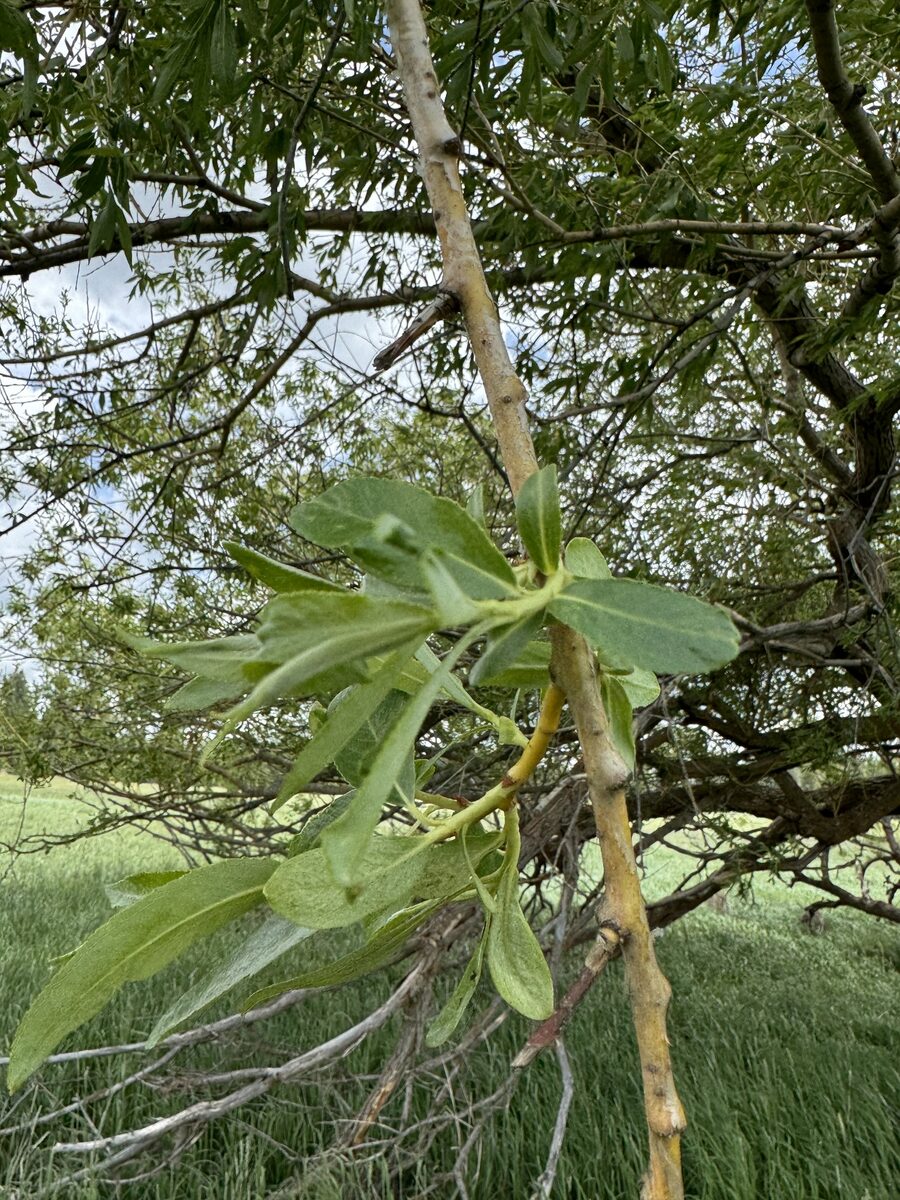
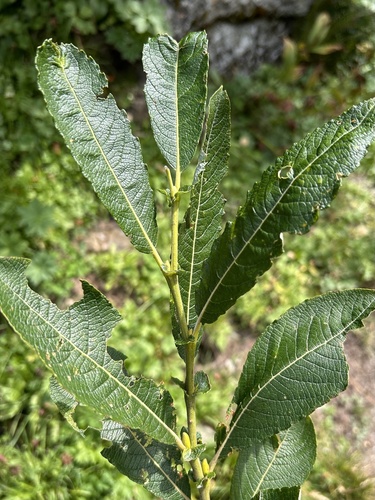
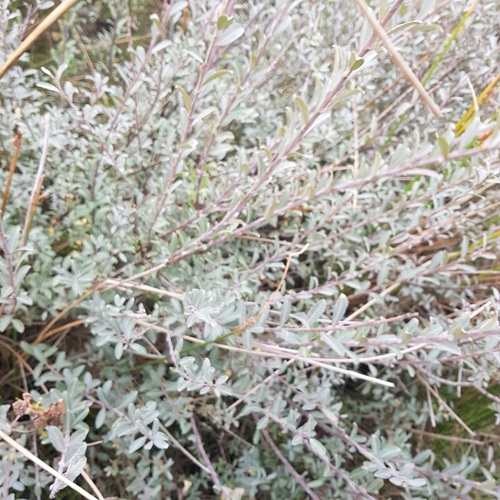
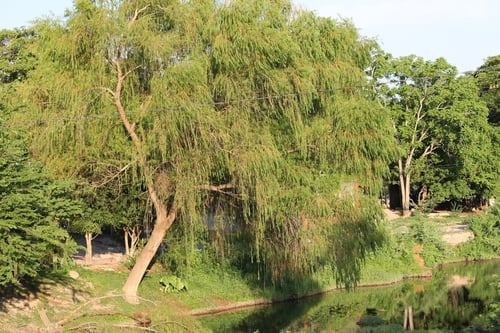
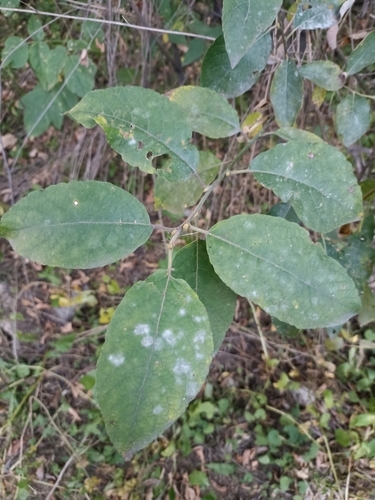
Salix purpurea var. lambertiana
(Sm.) W. D. J. Koch
iNaturalist· cc-by-sa
(c) MurielBendel, some rights reserved (CC BY-SA)
iNaturalist· cc-by-sa
(c) MurielBendel, some rights reserved (CC BY-SA)
iNaturalist· cc-by-sa
(c) Niknos, some rights reserved (CC BY-SA)
Summary
Source: WikipediaSalix purpurea, known in Britain as purple willow, is a shrub or small tree native to Europe, western Asia and northwest Africa. It has been introduced to many other parts of the world as an ornamental garden plant, and it is widely used in basket making. Within its native range and some places where it is naturalised it is found in wetlands such as lake margins and the floodplains of rivers.
Description
A temperate shrub or small tree in the willow family (Salicaceae). The inner bark and leaves are edible portions of this species.
This description is brief — help expand it
Edible Uses
The inner bark and leaves can be eaten.
Medicinal Uses
Purple willow has long been used for basket making and is still harvested for that purpose, when it is often known as "Brittany Green" willow, valued for its purple colour and evenly-sized stems (i.e. remaining the same thickness along its length). Willow beds were often planted with a variety of plants: the British botanist Charles Sinker documented a withy bed at Crew Green in Wales which contained five species and three hybrids. The weeping cultivar 'Pendula' has gained the Royal Horticultural Society's Award of Garden Merit. As with several other willows, the shoots, called withies, are often used in basketry. The wood of this and other willow species is used in making cricket bats. The Roman herbalist Dioscorides had many uses for iter (willow): taken with pepper and wine it would help people with intestinal obstruction, or effect birth control, and the juice of the leaves (with other ingredients) would help sores in the ears. The bark, when burned and mixed with vinegar, would take away calluses and corns. Culpeper suggested that the boughs of willow, stuck about a chamber, would refresh those who had fevers. More recent herbalists have had less use for willow. Mrs Grieve did not mention purple willow at all. This could be because the effects of consumption can include gastrointestinal bleeding and kidney damage, and just eating the leaves can cause severe abdominal pain.
Distribution
It is a temperate plant.
Where It Grows
Britain, Europe, Luxembourg,
Notes
There are about 300 Salix species.
References (2)
- Plants for a Future database, The Field, Penpol, Lostwithiel, Cornwall, PL22 0NG, UK. http://www.scs.leeds.ac.uk/pfaf/
- Syn. fl. germ. helv. 647. 1837