Leccinum insigne
A. H. Sm., Thiers & Watling
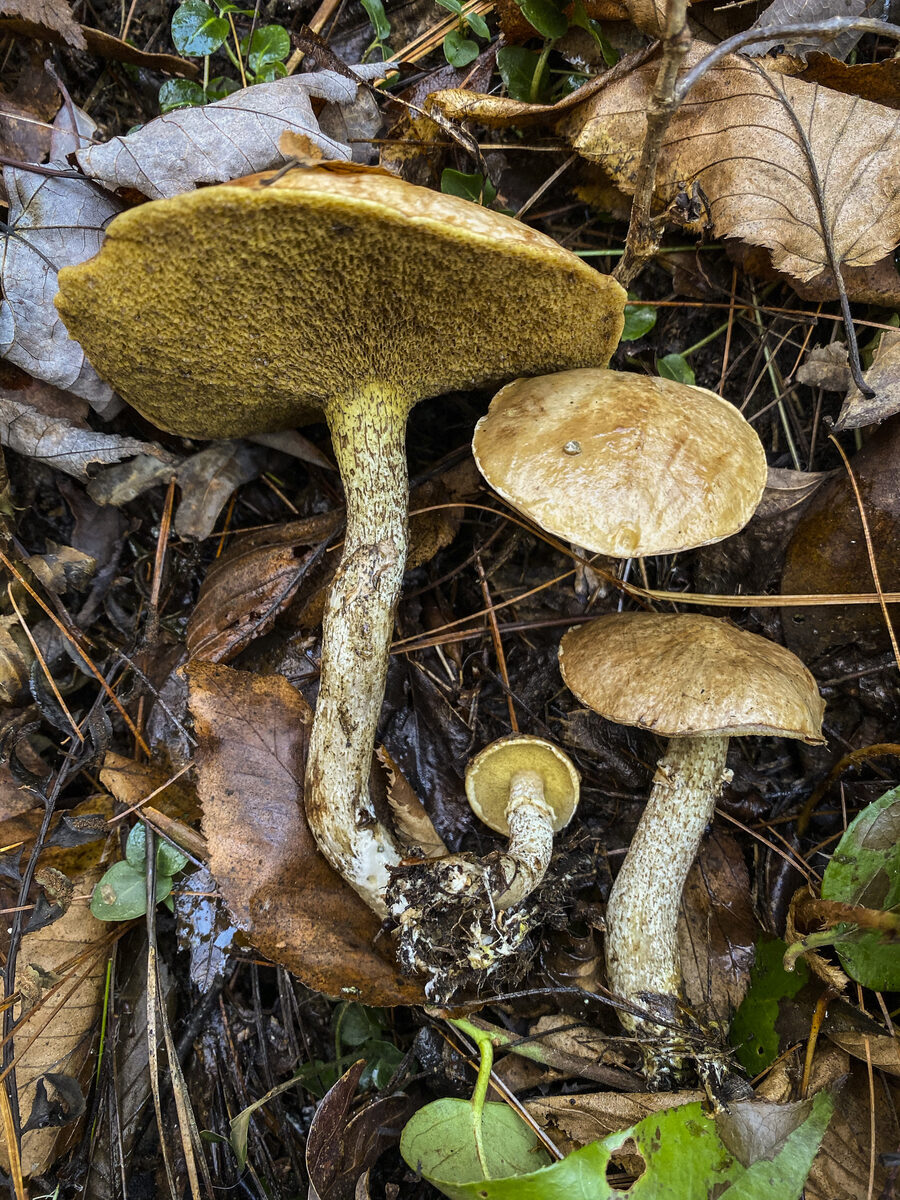
iNaturalist· cc-by-nc
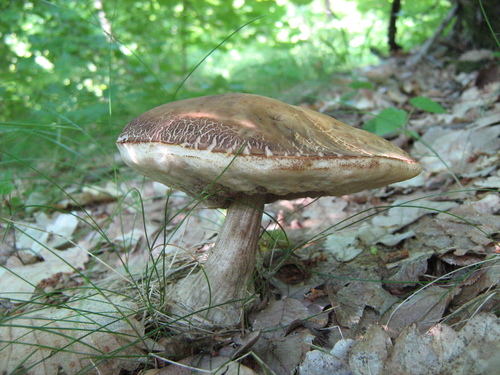
(c) Tom Zegler, some rights reserved (CC BY-NC)
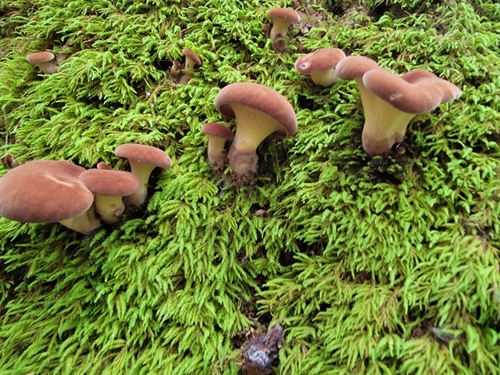
iNaturalist· cc-by-nc
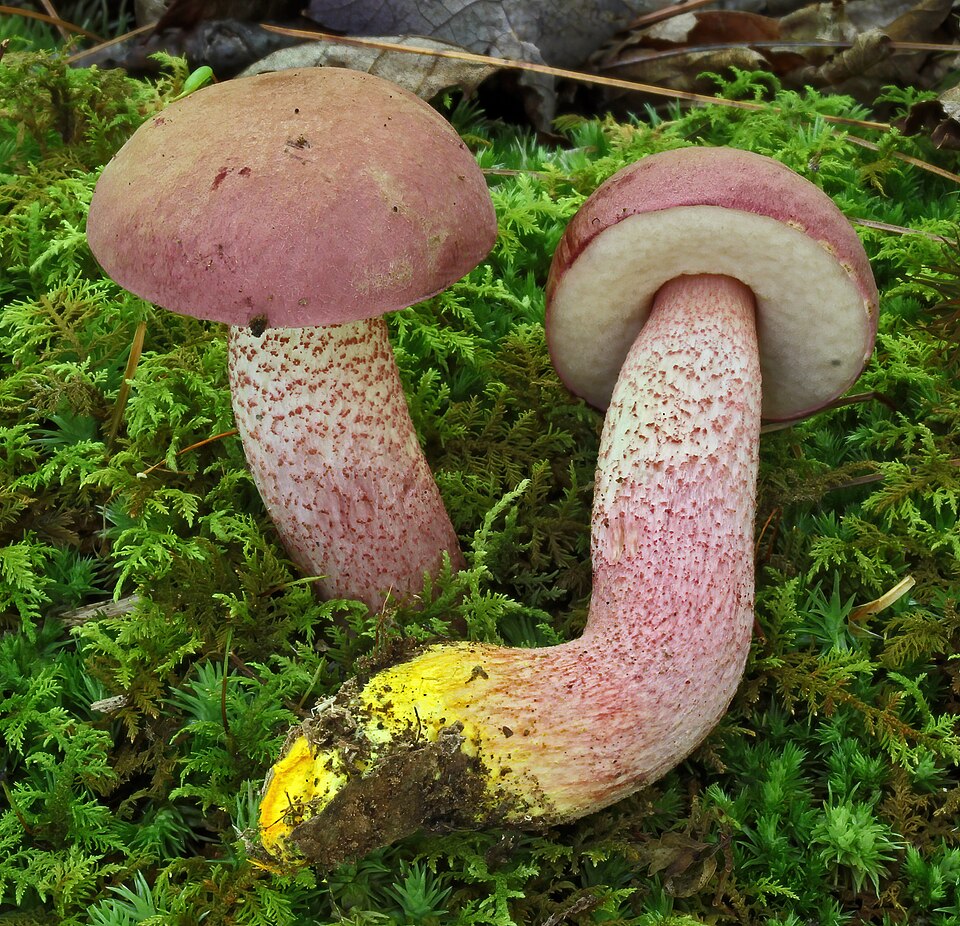
(c) Tyson Hobbs, some rights reserved (CC BY-NC)
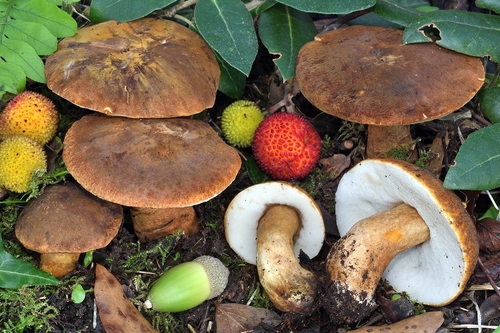
iNaturalist· cc-by-nc
(c) Tyson Hobbs, some rights reserved (CC BY-NC)
Summary
Source: WikipediaLeccinum insigne, commonly known as the aspen bolete or the aspen scaber stalk, is a species of bolete fungus in the family Boletaceae. It was described as new to science in 1966. The specific epithet insigne means "distinctive or outstanding". The cap is up to 17 centimetres (6+3⁄4 in) wide, orangish-brown, and semi-fibrillose. The tubes are white to yellowish, staining brownish (not blue). The stipe is up to 15 cm long and white with dark scabers. The flesh is white, sometimes turning gray, and possibly bluish in the base. The spore print is tannish. The species is found in North America, where its range extends from eastern Canada south to New Jersey and west to the northern Rocky Mountains. It is a good edible mushroom, but there have been documented cases of adverse reactions; these range from headaches to gastrointestinal distress, which may or may not be attributed to food sensitivities alone.
Description
A temperate mushroom in the family Boletaceae.
This description is brief — help expand it
Edible Uses
The mushroom is eaten.
Distribution
It is a temperate plant.
Where It Grows
Alaska, North America, USA,
References (2)
- Guild, B., 1979, The Alaskan Mushroom Hunter's Guide. Alaska Northwest Publishing Company. p 182
- Ostry, M. E., et al, 2010, Field Guide to Common Macrofungi in Eastern Forests and Their Ecosystem Functions. USDA Forest Service General Technical Report NRS-79 p 11