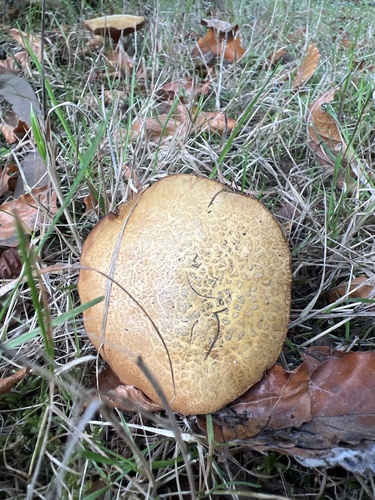
Gyroporus castaneus
(Bull. ex fries) Quel
Chestnut bolete
iNaturalist· cc-by-nc
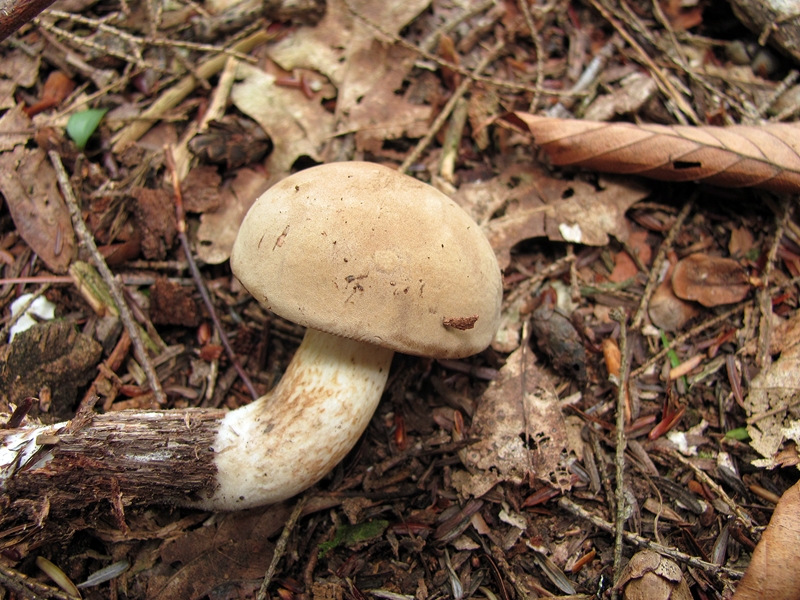
(c) Federico Calledda, some rights reserved (CC BY-NC), uploaded by Federico Calledda
iNaturalist· cc-by-sa
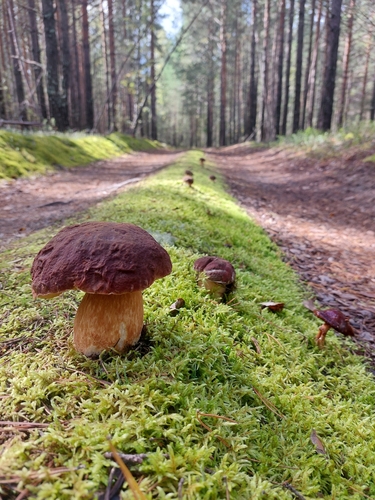
(c) Tim Sage, some rights reserved (CC BY-SA), uploaded by Tim Sage
iNaturalist· cc-by-nc
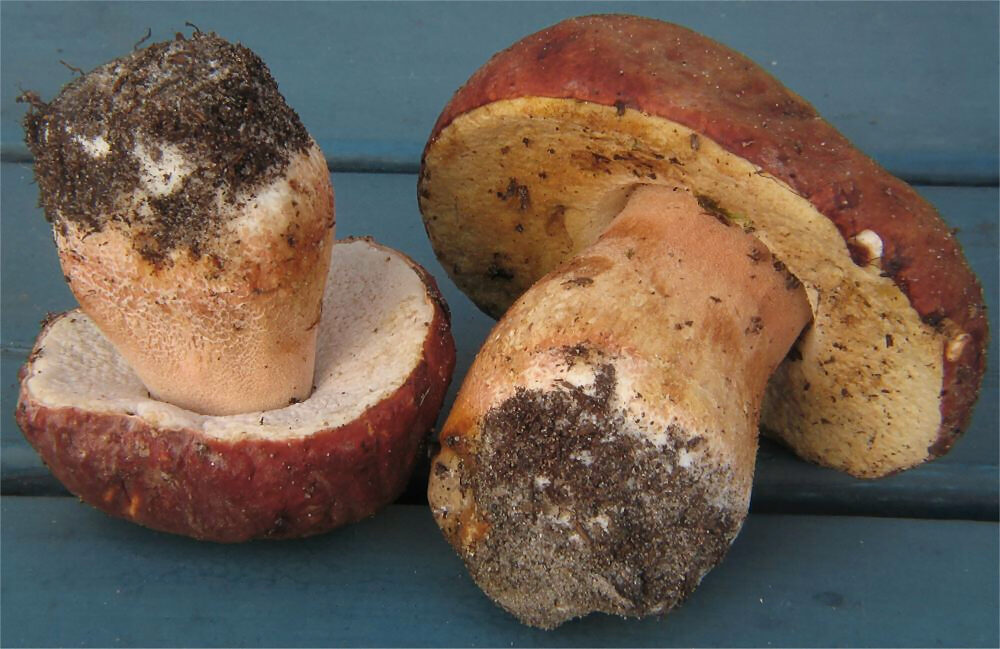
(c) Massimo Tabone, some rights reserved (CC BY-NC), uploaded by Massimo Tabone
Summary
Source: WikipediaGyroporus castaneus, commonly known as the chestnut bolete, is a small, white-pored mushroom in the Gyroporaceae of order Boletales. It has a brown cap, and is usually found with oak trees. It differs from the true boletes in that the spores are a pale straw colour.
Description
A temperate bolete mushroom in the family Boletaceae.
This description is brief — help expand it
Edible Uses
The mushroom fruiting body is edible.
Distribution
It is a temperate plant.
Where It Grows
Africa, Asia, Bulgaria, China, East Africa, Europe, Italy, Malawi, Mediterranean, Mexico, North America, Portugal, Sicily,
Synonyms
Also Known As
Henyuanbaoniuganjun
References (6)
- Boa, E. R., 2004, Wild edible fungi and their importance to people. FAO Non Wood Forest Products Booklet 17
- Kaufmann, B. et al, 1999, The Great Encyclopedia of Mushrooms. Konemann. p 18
- Lentini, F. and Venza, F., 2007, Wild food plants of popular use in Sicily. J Ethnobiol Ethnomedicine. 3: 15
- Li, H., et al, 2020, Reviewing the world’s edible mushroom species: A new evidence-based classification system. Compr Rev Food Sci Food Saf. 2021;20:1982–2014.
- Pace, G., 1998, Mushrooms of the world. Firefly books. p 177 (As Boletus castaneus)
Show all 6 references Hide references
- Stoyneva-Gartner, M.P. & Uzunov, B.A., 2015, An Ethnobiological Glance on Globalization Impact on the Traditional Use of Algae and Fungi as Food in Bulgaria. J Nutr Food Sci 2015, 5:5