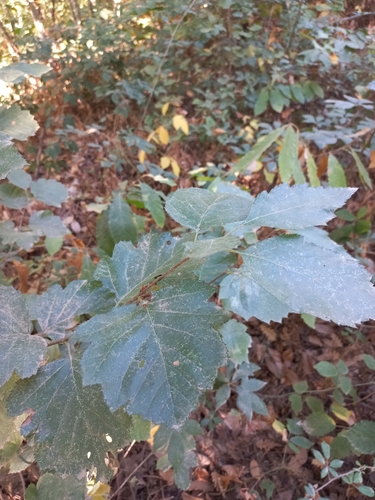
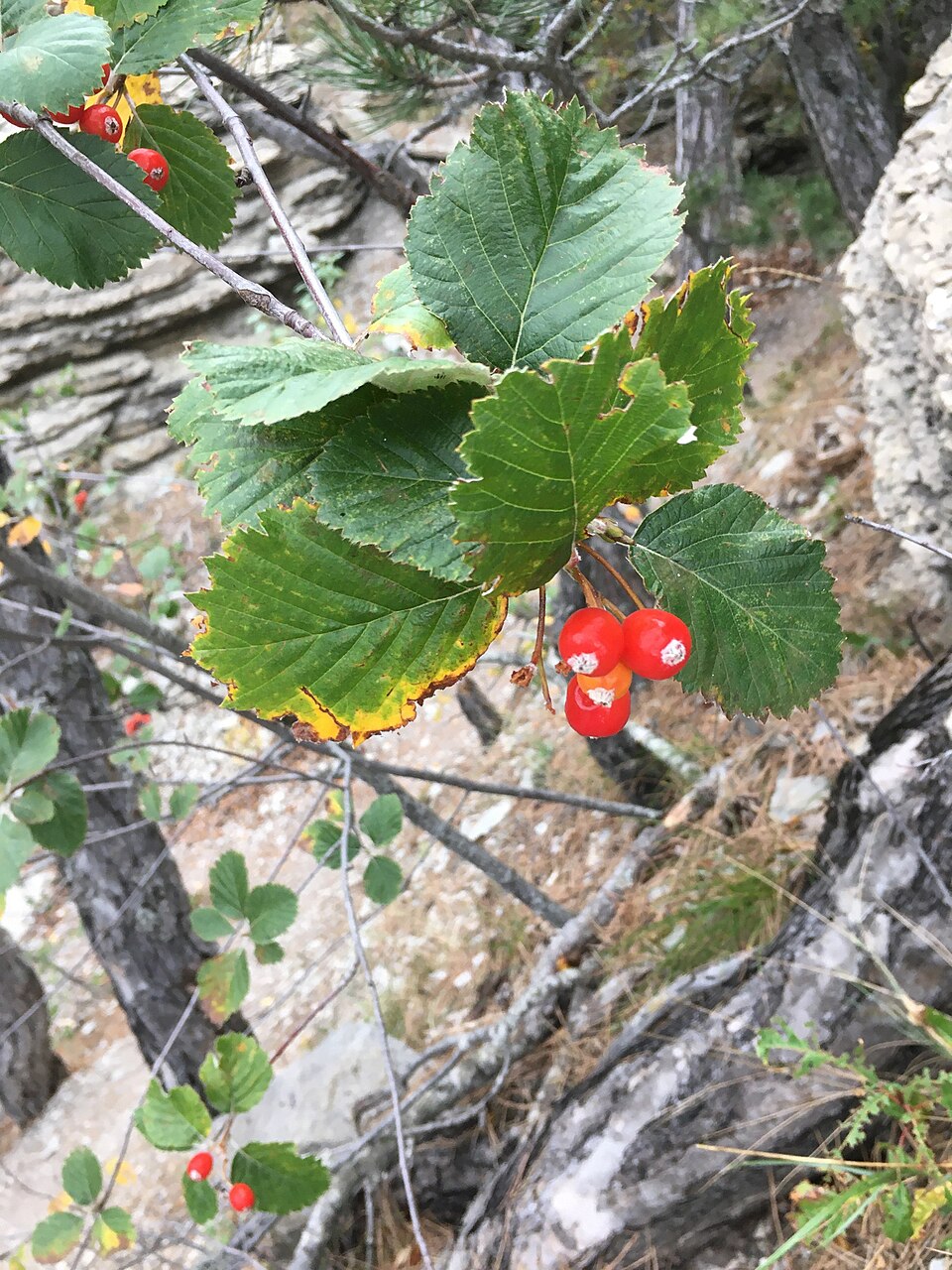
Rubus moluccanus var. austropacificus
L., van Royen
iNaturalist· cc-by-nc
(c) Luke R. Hardy, some rights reserved (CC BY-NC)
iNaturalist· cc-by-nc-sa
(c) Nick Lambert, some rights reserved (CC BY-NC-SA), uploaded by Nick Lambert
Summary
Source: WikipediaRubus moluccanus, the Molucca bramble or broad-leaf bramble, is a scrambling shrub or climber, native to moist eucalyptus forest and rainforest of eastern Australia, distributed from Queensland to Victoria, and to the Indian Subcontinent, Southeast Asia, Malesia, Papuasia, New Caledonia, Vanuatu and the Caroline Islands. Molucca bramble leaves are simple with 3–5 lobes, 2–15 cm long, and 3–10 cm wide, and the lower surface is tomentose. Flowers are pinkish red or white. Its red fruit are 1.2 cm wide.
Description
A creeping plant.
This description is brief — help expand it
Edible Uses
It is regarded as a tasty edible fruit, eaten out-of-hand, and used commercially to a limited extent in jams and sauces. It is used in traditional health care practices and is high in vitamin C.
Distribution
It is a tropical plant. It occurs in Bougainville.
Where It Grows
Fiji, Pacific, Papua New Guinea, PNG, Solomon Islands,
Notes
Not in The Plant List.
Dangerous Lookalikes
This plant can be confused with the following toxic species. Always verify identification carefully before consuming any wild plant.
Red Baneberry
Actaea rubra
Walter Siegmund (talk)
Rubus moluccanus var. austropacificus
Rubus moluccanus var. austropacificus
(c) Luke R. Hardy, some rights reserved (CC BY-NC)
Red Baneberry: Short herbaceous plant (no thorns), berries on thick red stems, each berry has a single seed, compound sharply-toothed leaves.
Rubus moluccanus var. austropacificus: Thorny woody canes (brambles), aggregate berry made of many drupelets, berries pull easily from receptacle.
Synonyms
References (2)
- Etoh, T. & Sundaresan, 1985, Food Plants in Fiji and Their Utilization. Kagoshima Univ. Res. Center S. Pac, Occasional Papers, No. 5. p. 145-164. (Possibly as Rubus tiliaceus)
- Smith, A.C., 1985, Flora Vitiensis Nova, Lawaii, Kuai, Hawaii, Volume 3 p 39