Pyrus pashia var. kumaoni
(Decne.) Stapf.
iNaturalist· cc-by-nc
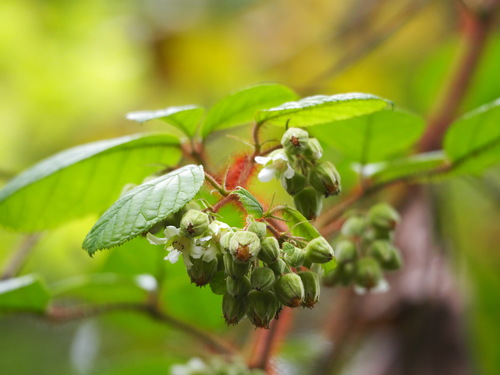
(c) Rajendra Koranga, some rights reserved (CC BY-NC), uploaded by Rajendra Koranga
iNaturalist· cc-by-nc-nd
(c) Chief RedEarth, some rights reserved (CC BY-NC-ND), uploaded by Chief RedEarth
iNaturalist· cc-by
(c) Maya Lodhiyal, some rights reserved (CC BY), uploaded by Maya Lodhiyal
Summary
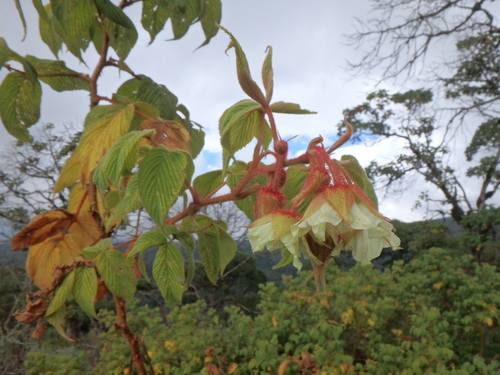
Source: WikipediaPyrus pashia, the wild Himalayan pear, is a small to medium size deciduous tree of the small and oval shaped crown with ovate, finely toothed leaves, attractive white flowers with red anthers and small pear-like fruits. It is a fruit bearing tree that is native to southern Asia. Locally, it is known by many names such as batangi (Urdu), tangi (Kashmiri), mahal mol (Hindi) and passi (Nepal).
Description
A deciduous tree in the Rosaceae family native to temperate regions, including Yunnan.
This description is brief — help expand it
Edible Uses
The fruit are eaten.
Medicinal Uses
Locals use the juice of the ripened fruit to treat conjunctivitis by putting it in the eye of the diseased animal. They also use this juice, about 6 teaspoons twice a day, to treat diarrhea.
Distribution
It is a temperate plant. In Yunnan.
Where It Grows
Asia, China, Himalayas, India, Nepal,
Synonyms
References (2)
- Jard. fruit. 1:328, sub t. 7. 1872 (As Pyrus kumaoni)
- Singh, H.B., Arora R.K.,1978, Wild edible Plants of India. Indian Council of Agricultural Research, New Delhi. p 69 (As Pyrus kumaoni)