Botrychium ternatum
(Thunb.) Sw.
Fern
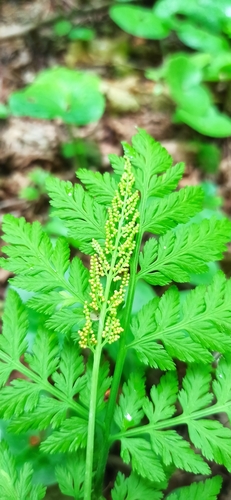
iNaturalist· cc-by-nc
(c) Lola Smirnova, some rights reserved (CC BY-NC)
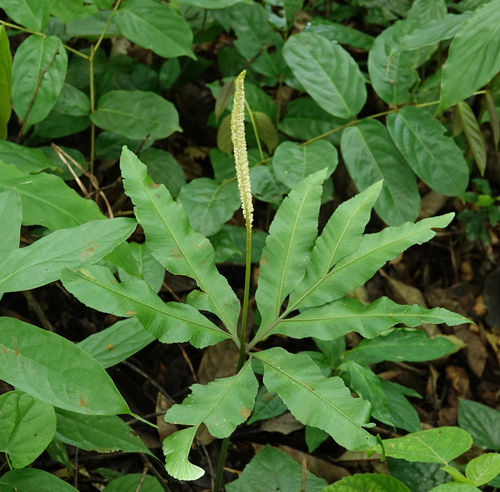
iNaturalist· cc-by-nc
(c) Lola Smirnova, some rights reserved (CC BY-NC)
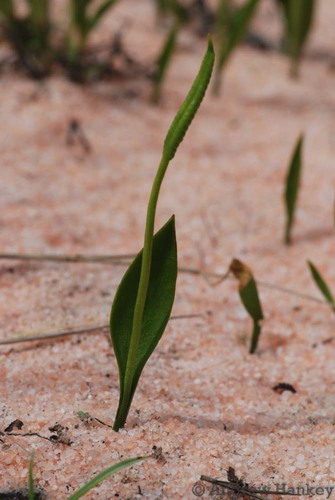
iNaturalist· cc-by-nc
(c) Daniel Pohl, some rights reserved (CC BY-NC)
Summary
An evergreen fern reaching 0.3 m (1 ft) tall. Maintains foliage year-round and grows in light sandy to medium loamy, well-drained soils across mildly acid to basic pH ranges. Thrives in semi-shade woodland conditions or full light, preferring consistently moist soil.
Description
An evergreen fern reaching 0.3 m (1 ft) tall. Maintains foliage year-round and grows in light sandy to medium loamy, well-drained soils across mildly acid to basic pH ranges. Thrives in semi-shade woodland conditions or full light, preferring consistently moist soil.
Edible Uses
Edible Parts: Leaves Edible Uses: Leaves - cooked. A soft delicious taste.
Traditional Uses
The plant is boiled and eaten as a vegetable.
This uses section is brief — help expand it
Medicinal Uses
Dysentery Stomachic Tonic Vulnerary The plant is stomachic, tonic and vulnerary. The root is used in the treatment of dysentery.
Known Hazards
Although we have found no reports of toxicity for this species, a number of ferns contain carcinogens so some caution is advisable. Many ferns also contain thiaminase, an enzyme that robs the body of its vitamin B complex. In small quantities this enzyme will do no harm to people eating an adequate diet that is rich in vitamin B, though large quantities can cause severe health problems. The enzyme is destroyed by heat or thorough drying, so cooking the plant will remove the thiaminase.
Distribution
It is a temperate plant.
Where It Grows
Asia, China, India, Japan, Korea, North America, USA,
Cultivation
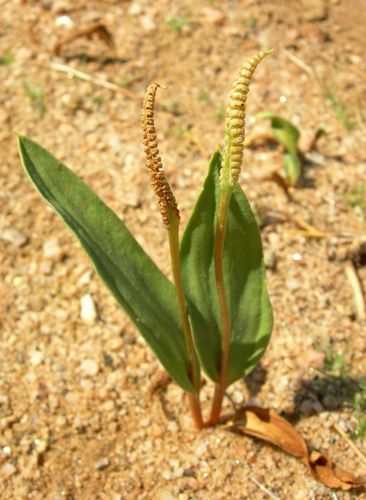
Prefers a sandy loam with just a small portion of peat. Requires sharp drainage. Best grown in an open position. Plants can be difficult to establish. The prothalli (young plants formed when the spores germinate) of this plant form a symbiotic relationship with a mycorrhizal fungus, similar to the association of orchid seedlings with an invading fungus. A very ornamental plant, it is said to require greenhouse protection in Britain but might survive outdoors in the mildest areas of the country. Unlike most species of ferns, the fronds of this species grow up straight and not curled inward, crozier fashion. Members of this genus are rarely if ever troubled by browsing deer.
Propagation
Spores - best surface sown as soon as they are ripe in a greenhouse and do not allow the compost to dry out. Placing the pot in a plastic bag helps to maintain a humid atmosphere which promotes germination and growth. Prick out small clumps into pots when they are large enough to handle and keep moist until established. Grow on in a greenhouse for at least the first winter and plant out in late spring. Division. It is best not to try and disturb this plant.
Other Uses
None known Special Uses
Notes
There are about 25-40 Botrychium species.
References (3)
- Ambasta, S.P. (Ed.), 2000, The Useful Plants of India. CSIR India. p 79
- Islam, M., 1983, Utilisation of Certain Ferns and Fern Allies in the North-Eastern Region, India. J.Econ. Tax. Bot. Vol.4.No.3 pp 861-
- Plants for a Future database, The Field, Penpol, Lostwithiel, Cornwall, PL22 0NG, UK. http://www.scs.leeds.ac.uk/pfaf/