Acacia incurva
Benth.
iNaturalist· cc-by-nc
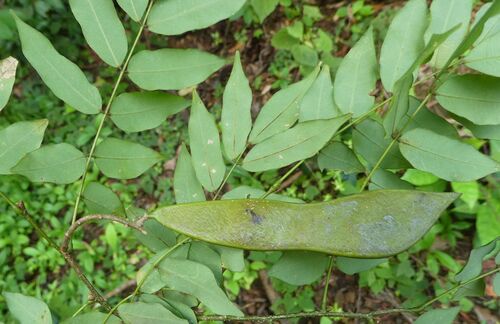
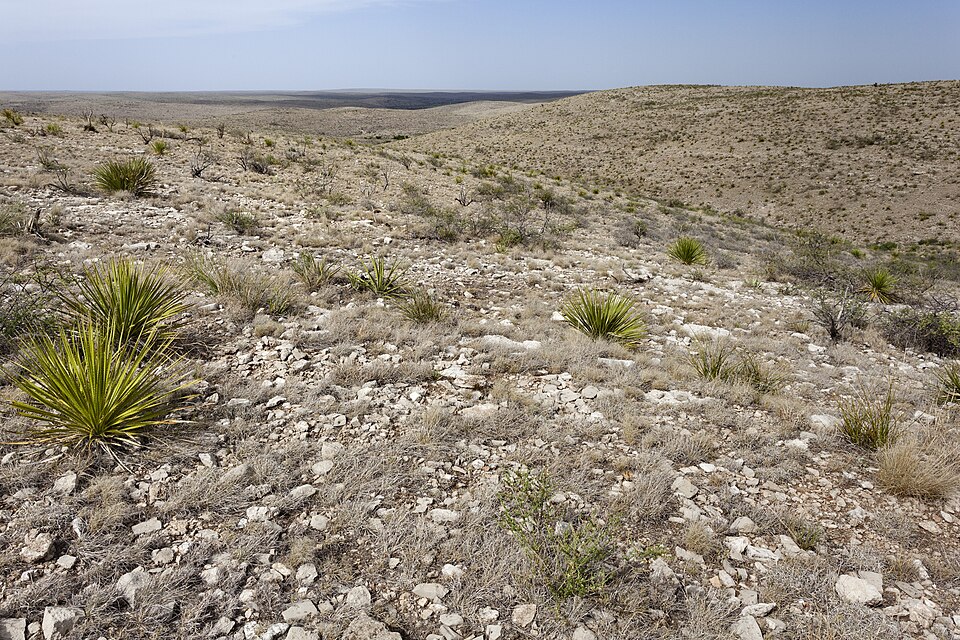
(c) The Life of Py, some rights reserved (CC BY-NC), uploaded by The Life of Py
iNaturalist· cc-by-nc
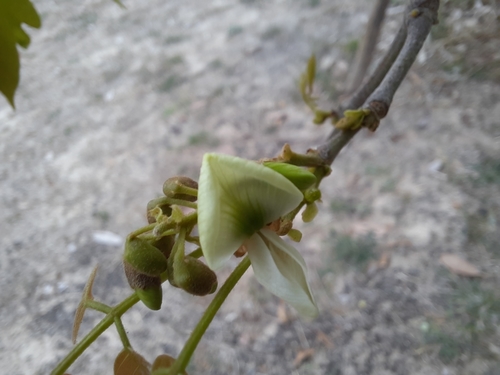
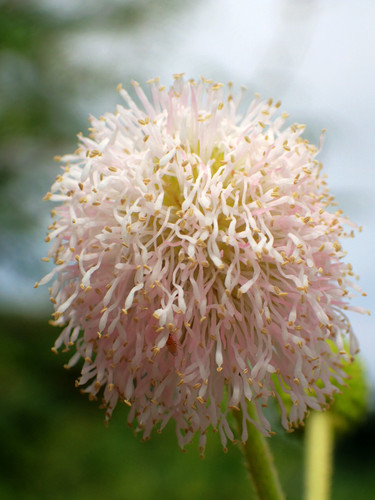
(c) Russ Chambers, some rights reserved (CC BY-NC), uploaded by Russ Chambers
iNaturalist· cc-by-nc
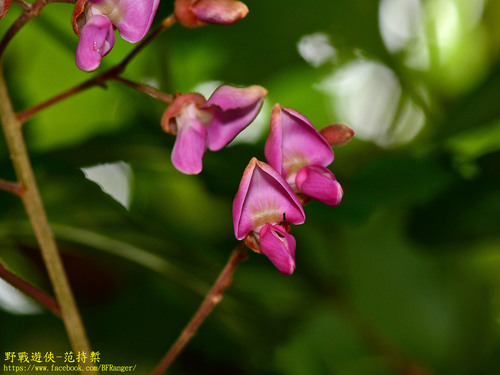
(c) Sacha R, some rights reserved (CC BY-NC), uploaded by Sacha R
Summary
Source: WikipediaAcacia incurva is a shrub belonging to the genus Acacia. It is native to the South West region of Western Australia. The shrub has a low, multi-stemmed, erect or prostrate and spinescent habit. It typically grows to a height of 0.2 to 0.5 metres (0.7 to 1.6 ft). The stems are angled and the phyllodes are continuous with branchlets with the free portion of the phyllodes having a linear to linear-lanceolate shape with a length of 10 to 50 millimetres (0.4 to 2.0 in) and a width of 1 to 2 mm (0.04 to 0.08 in). It blooms in the winter months between July and September producing spherical yellow inflorescences. Each simple globular inflorescence has sessile heads and contains between six and eleven bright yellow flowers. Later it will form terete seed pods that are up to 7 centimetres (2.76 in) in length with a diameter of around 2 mm (0.08 in). Each pod is crustaceous, reddish in colour with longitudinale nerves. The species was first formally described by the botanist George Bentham in 1842 as part of William Jackson Hooker's work Notes on Mimoseae, with a synopsis of species in the London Journal of Botany. Synonyms for this species include; Racosperma incurvum, Acacia incurva var. brachyptera, Acacia incurva var. incurva and Acacia brachyptera. The species is found in swamps, winter-wet areas and clay flats where it grows in sandy, clay or lateritic soils.
Description
A shrub or small tree. It grows 5 m tall. There are prickles along the stem. The leaves are twice divided and there are 8-18 pairs of pinnae. There are up to 50 pairs of pinnules on each pinnae. The flowers are yellow. They are in large clusters at the ends of branches. The pods are flattened.
Edible Uses
The seeds are edible.
Distribution
It needs well drained light soil. It needs an open, sunny position. It can tolerate drought and frost.
Where It Grows
Australia*,
Cultivation
Plants can be grown from seed or cuttings. The seeds need treatment.
Production
It is slow growing.
Notes
There are about 1,350 Acacia species. Over 1,000 occur in Australia. Also as Mimosaceae.