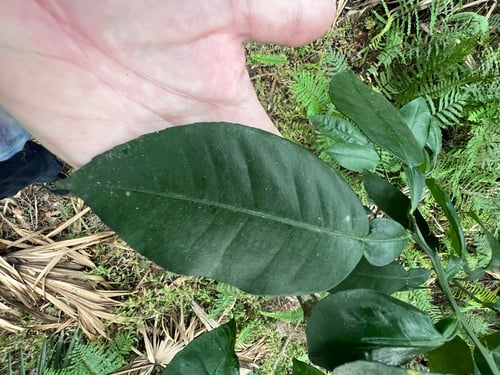
Citrus reshni
Hort. ex Tanaka
Cleopatra mandarin
Wikipedia· cc-by-sa
Wikimedia Commons - Citrus_reticulata-Cleopatra_IMG_2022.jpg
Summary
Source: WikipediaCitrus reshni also known as Cleopatra mandarin is a citrus tree that is commonly used in agriculture as a rootstock of different cultivated species of citrus, mostly orange, grapefruit, tangerine and lemon. It originated in India and later was introduced to Florida from Jamaica in the mid-nineteenth century. The Cleopatra mandarin fruit belong to the "acidic" group of mandarins, which are too sour to be edible. When they are grown it is for the rootstock or for juice production. The rootstock can handle multiple soil conditions including tolerance to the presence of limestone, salinity and soil alkalinity along with being suitable for shallow soils. It is resistant to citrus tristeza virus and exocortis but is sensitive to root asphyxia and Phytophthora. One of the down sides to using the rootstock is it grows slow in the early years. In the right conditions it can induce high productivity and excellent fruit quality, although these are usually somewhat smaller than with others.
Description
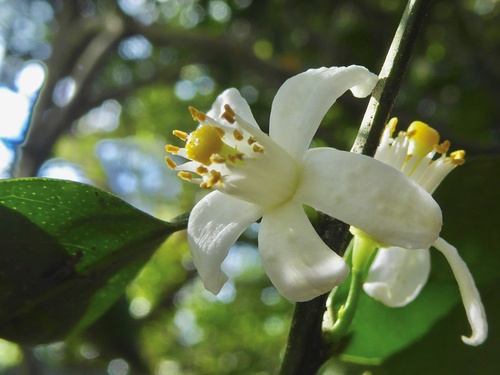
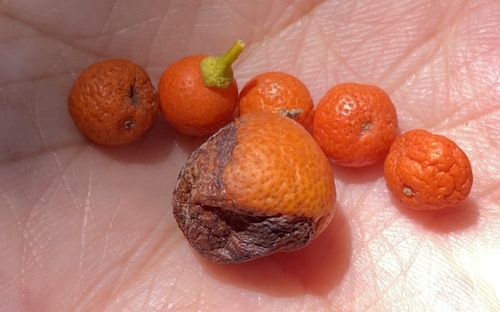
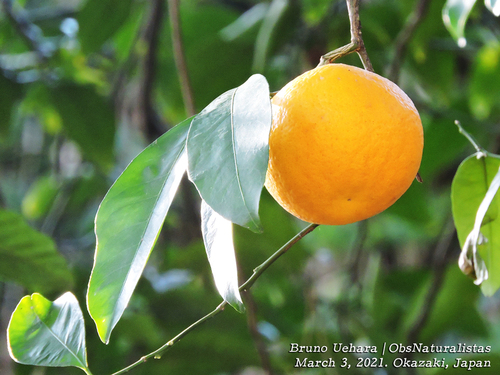
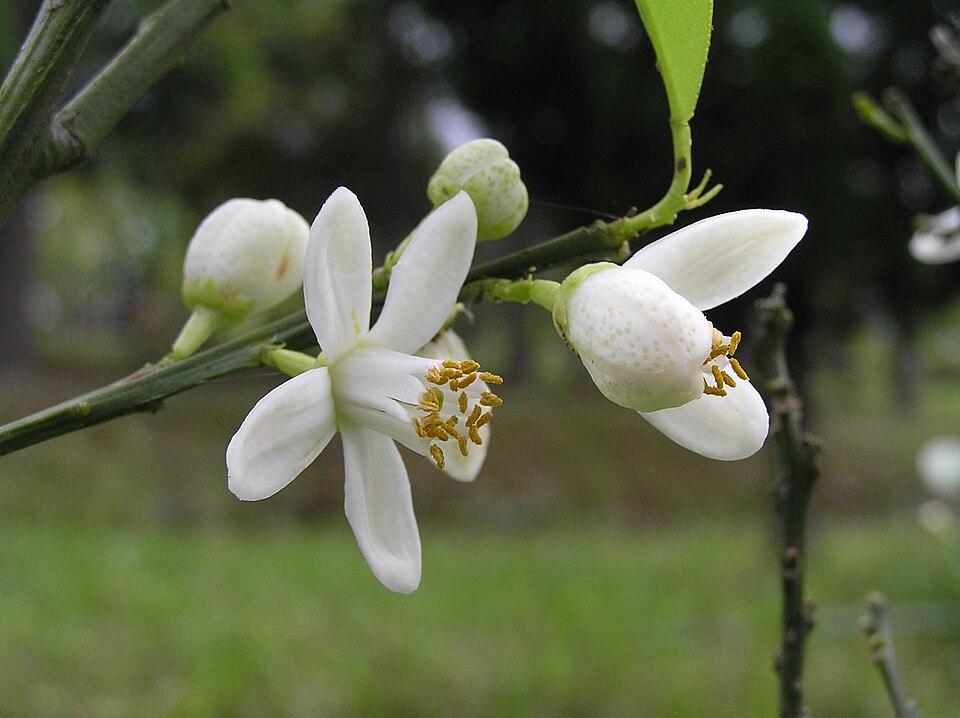
A small evergreen tree. It grows 3-5 m tall. It has thorns in the axils of the leaves. The leaves are papery and smooth on both surfaces. They are 3-6 cm long. The leaf stalk is 2-3 cm long and has wings. The flowers are white and have a scent. They occur singly or in groups or 2-4 in the axils of leaves. The fruit are round and the segments separate easily. The fruit is acidic with many seeds.
Edible Uses
The fruits are used for juice and as a flavoring.
Traditional Uses
The fruit are used for juice and as a flavouring.
This uses section is brief — help expand it
Distribution
It is a warm temperate plant.
Where It Grows
Asia, Brazil, China, South America,
Cultivation
Plants can be grown from seed.
Other Information
It is a cutlivated food plant.
Also Known As
Rangerina-cleopatra
References (2)
- J. Indian Bot. Soc. 16:239; Stud. Citrol. 8(1):72, t. 1.1937
- Lorenzi, H., Bacher, L., Lacerda, M. & Sartori, S., 2006, Brazilian Fruits & Cultivated Exotics. Sao Paulo, Instituto Plantarum de Estuados da Flora Ltda. p 551