Pouteria pachycalyx
T.D. Penn.
Thickcalyx pouteria
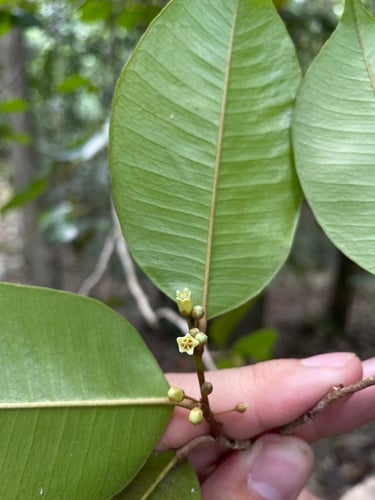
iNaturalist· cc-by-nc
(c) Geovane Siqueira, some rights reserved (CC BY-NC), uploaded by Geovane Siqueira
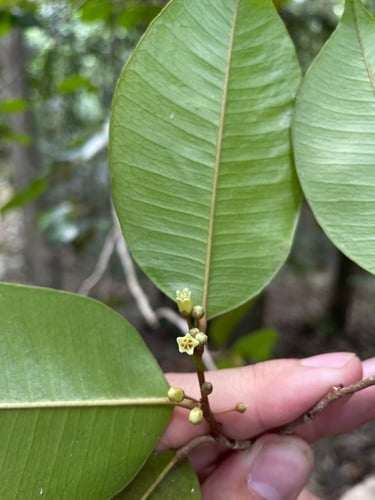
iNaturalist· cc-by-nc
(c) Geovane Siqueira, some rights reserved (CC BY-NC)
Description
An evergreen tree. It grows 8-20 m high. The crown is round and dense. New branches have rusty hairs. The leaves are simple and alternate. They are in spirals near the ends of branches and they are leathery. They have fine hairs underneath. The leaves are 12-21 cm long. The flowers are in groups in the axils of leaves. The flowers are greenish-yellow. The fruit are a round and flattened shape with ridges along them. They have a rusty, hairy covering. The fruit are 7-8 cm across. They contain 1-2 seeds.
Edible Uses
The fruit are eaten fresh, though they are not widely popular.
Traditional Uses
The fruit are eaten fresh.
This uses section is brief — help expand it
Distribution
It is a tropical plant. It grows naturally on lower sandy plateaus in the forests near the Atlantic in Brazil.
Where It Grows
Brazil*, South America,
Cultivation
Plants are grown from seed.
Propagation
Seed - best sown as soon as it is ripe in individual pots in a position in semishade. Germination usually occurs in 6 - 10 weeks, and the germination rate is normally high. Plant out when 7 - 9 months old.
Other Uses
The wood is heavy, hard, of fine to medium texture, straight grained. It has moderate resistance to insects and is of moderate durability. It is only used locally, for small construction work. The plant has been recommended for ecological reforestation.
Other Information
The fruit are not very popular.
Also Known As
Bapeba, Guapeba
References (2)
- Grandtner, M. M. & Chevrette, J., 2013, Dictionary of Trees, Volume 2: South America: Nomenclature, Taxonomy and Ecology. Academic Press p 528
- Lorenzi, H., Bacher, L., Lacerda, M. & Sartori, S., 2006, Brazilian Fruits & Cultivated Exotics. Sao Paulo, Instituto Plantarum de Estuados da Flora Ltda. p 305
More from Sapotaceae
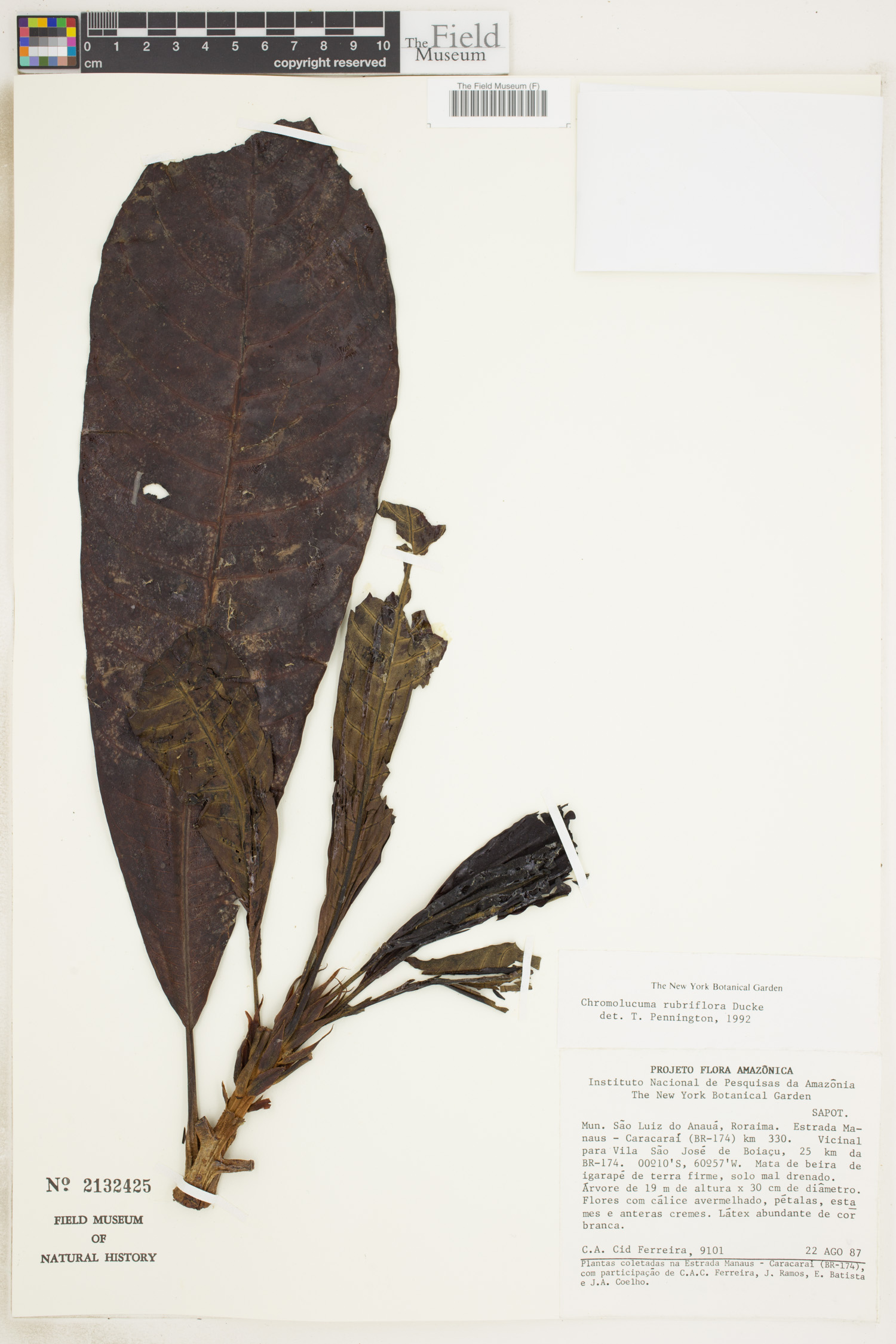
Chromolucuma rubriflora
Redflower chromolucuma
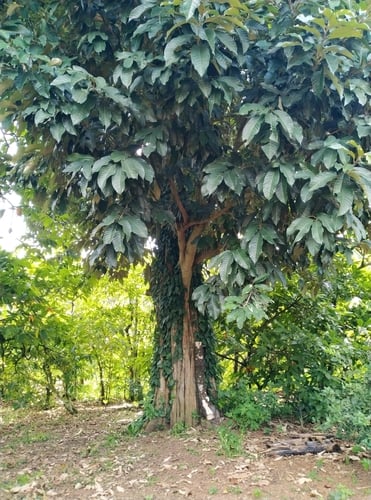
Chrysophyllum albidum
White star-apple, African star apple
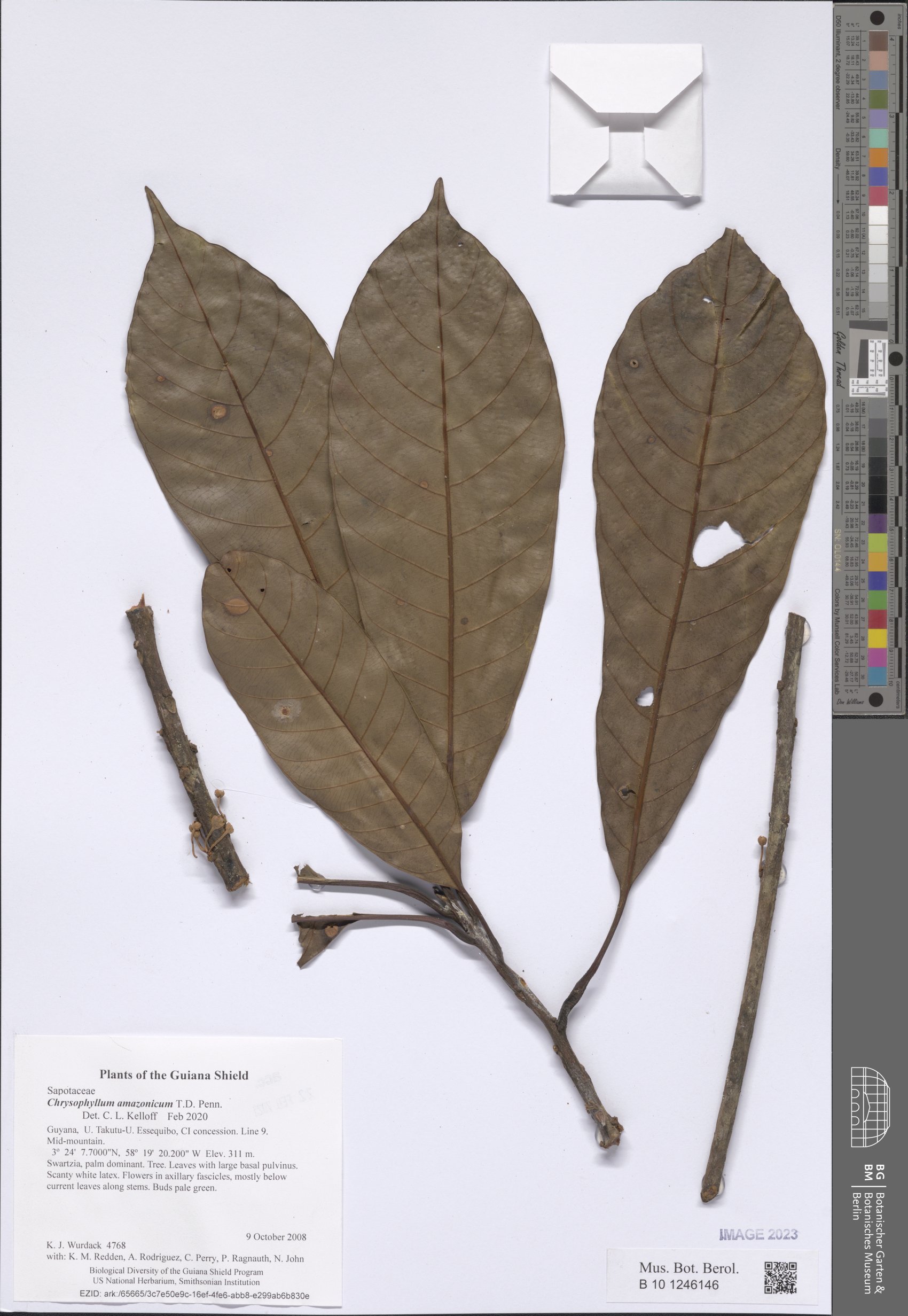
Chrysophyllum amazonicum
Amazonia star apple
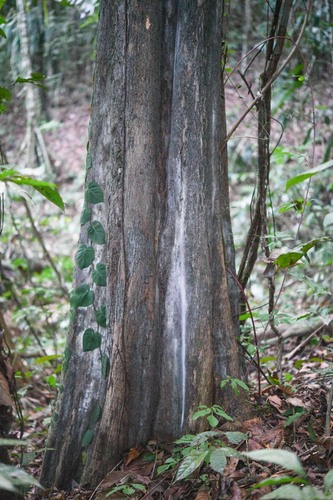
Chrysophyllum argenteum
Lechecillo
Chrysophyllum argenteum subsp. auratum
Wild starapple
Chrysophyllum argenteum subsp. ferrugineum
Rusty wild star apple