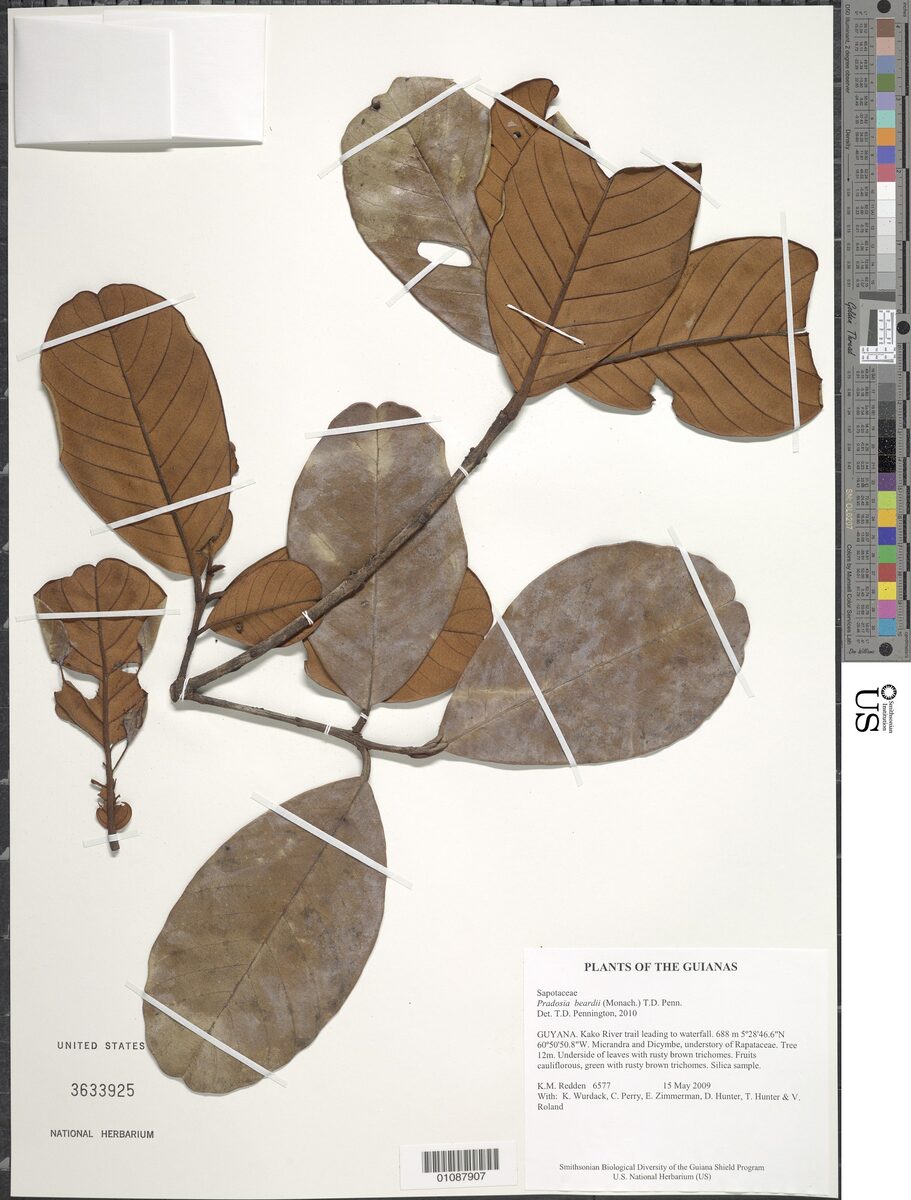
Manilkara subsericea
(Mart.) Dubard
Massaranduba, Macaranduba
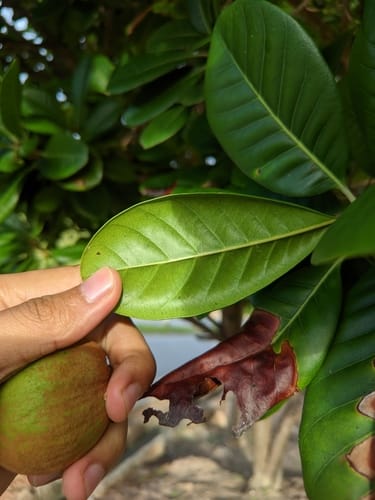
iNaturalist· cc-by-nc
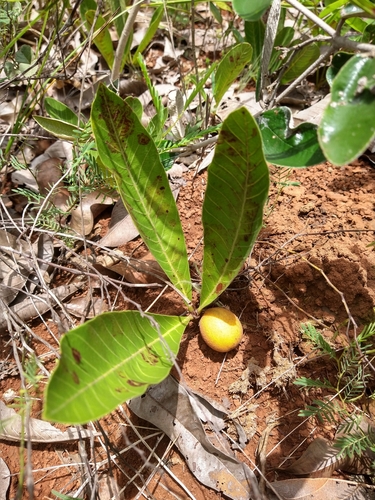
(c) Geovane Siqueira, some rights reserved (CC BY-NC), uploaded by Geovane Siqueira
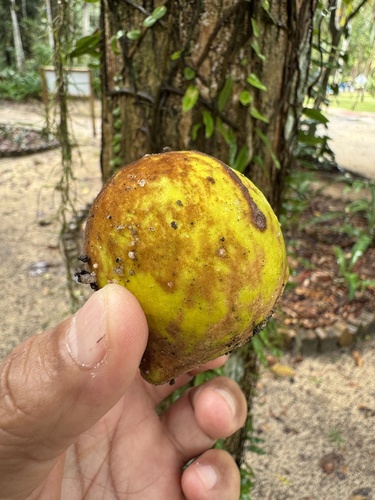
iNaturalist· cc-by-nc
(c) Leandro Cardoso, some rights reserved (CC BY-NC)
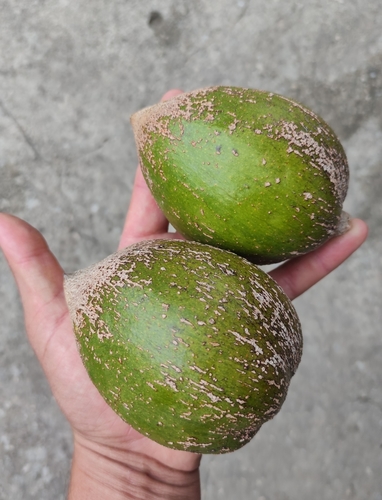
iNaturalist· cc-by-nc
(c) Leandro Cardoso, some rights reserved (CC BY-NC)
Summary
Source: WikipediaManilkara subsericea is a species of plant in the family Sapotaceae. It is endemic to Brazil, and threatened by habitat loss.
Description
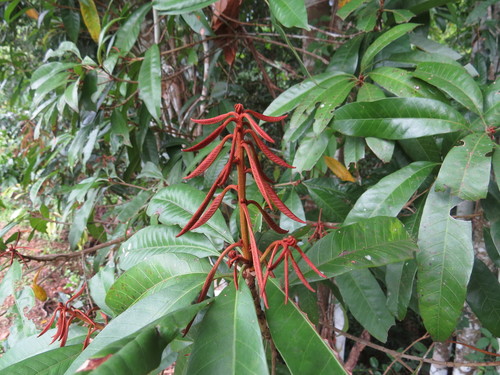
An evergreen tree. It grows 10-25 m tall. The branches are pale and grey. The leaves are simple and 7-10 cm long. They have fine hairs underneath. The flowers are in groups of 1-10 in the axils of leaves. The fruit are oval berries. They have 1-3 seeds. The pulp is succulent and sweet.
Edible Uses
Fruit - raw. An ovoid berry containing 1 - 3 hard seeds surrounded by a succulent, sweet and pleasant tasting pulp. The fruits are about 2cm in diameter. A latex obtained from the stem can be eaten.
Traditional Uses
The fruit are eaten fresh.
This uses section is brief — help expand it
Distribution
It is a tropical plant. It grows in the rainforest near the Atlantic in Brazil.
Where It Grows
Brazil*, South America,
Cultivation
Plants are grown from seed. Seeds can be collected from ripe fruit that are allowed to decompose partly in a plastic bag and then washed out in running water. Seeds need to be planted fresh. Seedlings emerge in 80-100 days.
Propagation
Seed - best sown as soon as it is ripe in a partially shaded position in a nursery seedbed. A low germination rate can be expected, with the seed sprouting within 80 - 100 days.
Other Uses
A latex is obtained from the trunk. The wood is of moderate texture, straight-grained, heavy, very resistant to wood-eating insects. Hard to cut, with good mechanical properties, it is used for general construction and exterior purposes such as stakes and posts.
Production
Plants grow at a moderate rate.
Other Information
The fruit are popular.
Synonyms
Also Known As
Guracica, Macaranduba-pequena, Macaranduba-vermelha, Macarandubinha, Paraju
References (3)
- Kermath, B. M., et al, 2014, Food Plants in the Americas: A survey of the domesticated, cultivated and wild plants used for Human food in North, Central and South America and the Caribbean. On line draft. p 520
- Lorenzi, H., Bacher, L., Lacerda, M. & Sartori, S., 2006, Brazilian Fruits & Cultivated Exotics. Sao Paulo, Instituto Plantarum de Estuados da Flora Ltda. p 297
- Lorenzi, H., 2009, Brazilian Trees. A Guide to the Identification and Cultivation of Brazilian Native Trees. Instituto Plantarum de Estuados da Flora Ltda. Vol. 3 p 336