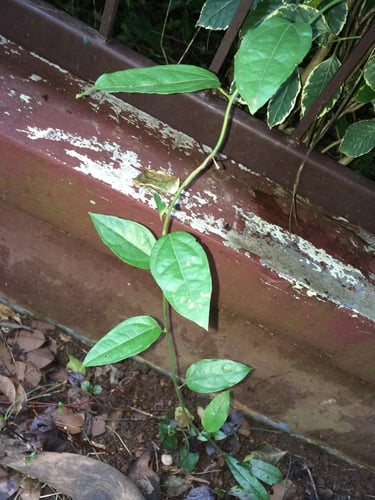
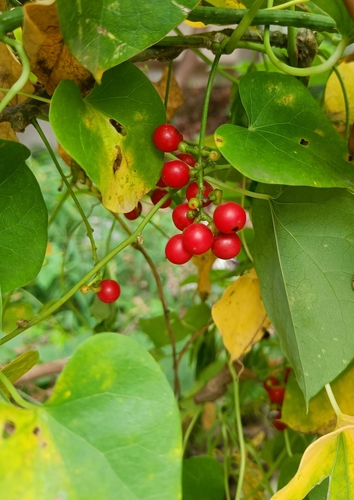
Chondrodendron platyphyllum
(A. St.-Hil.) Miers
Jabuticaba-de-cipo
iNaturalist· cc-by-nc
(c) D.F.Silva, some rights reserved (CC BY-NC)
iNaturalist· cc-by-nc
(c) D.F.Silva, some rights reserved (CC BY-NC)
iNaturalist· cc-by-nc
(c) D.F.Silva, some rights reserved (CC BY-NC)
Description
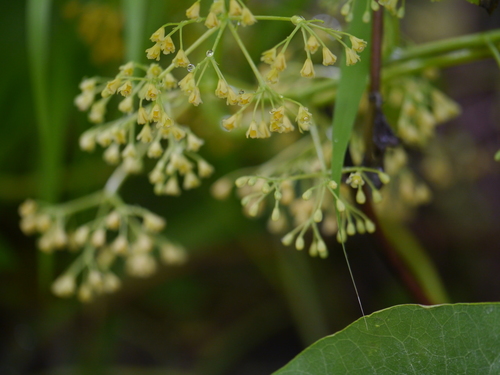
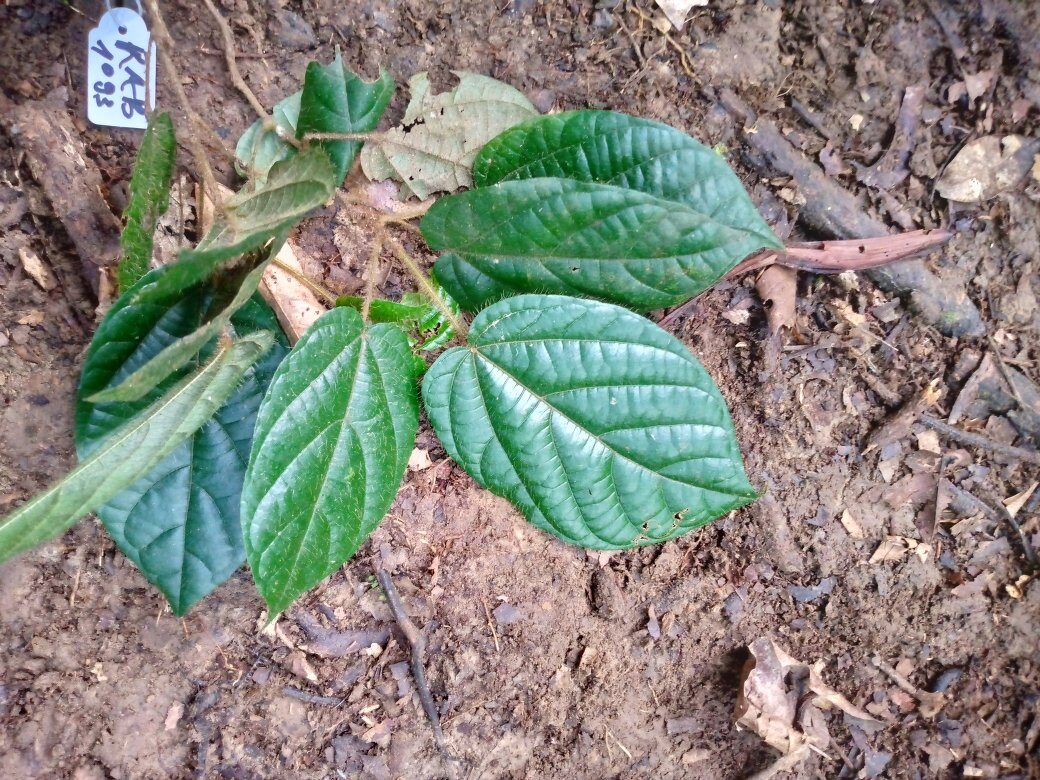
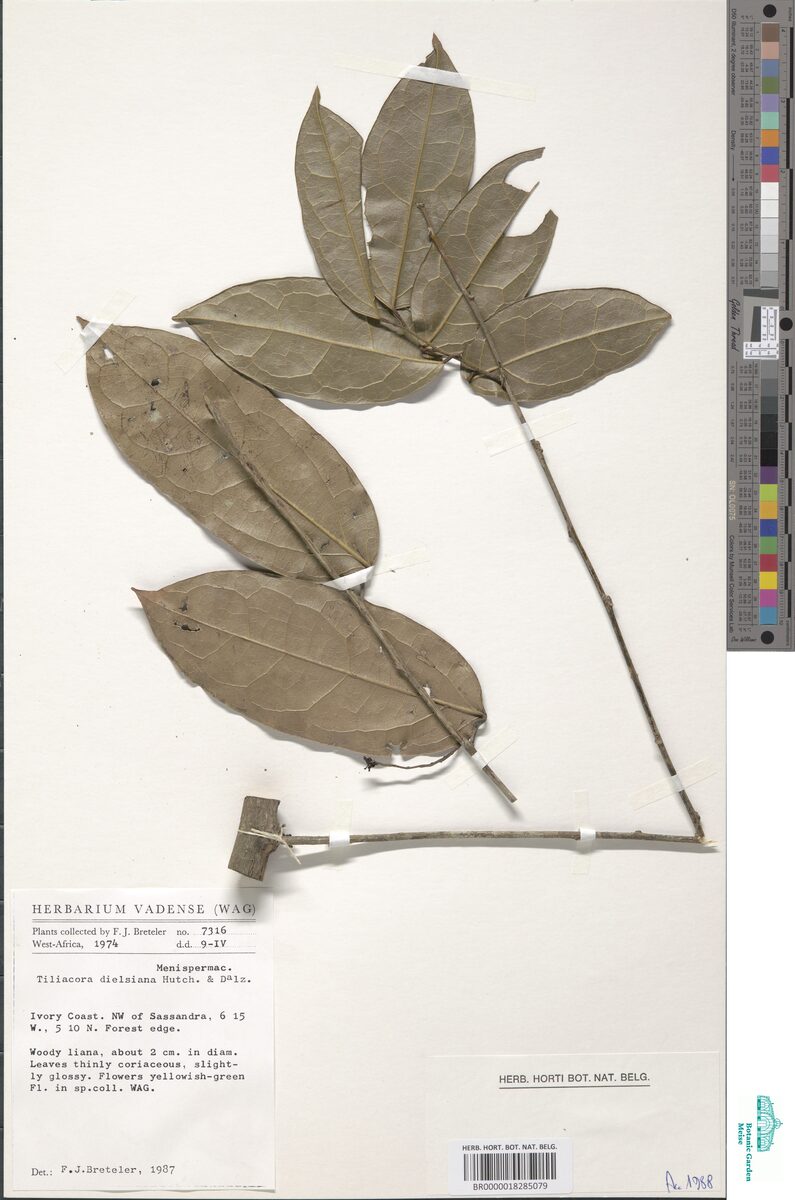
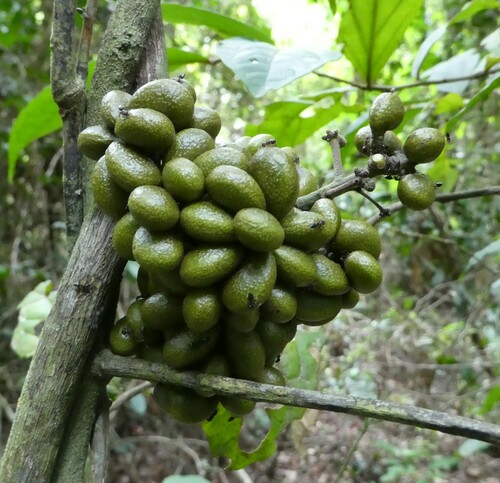
A vine or small tree. It may lose many leaves during the year. It grows 4-8 m tall. The crown is sparse. The leaves are somewhat leathery and 3-6 cm long. The side veins are very hard to see. The flowers are white and in clusters on the woody branches and the trunk. The fruit are round and have a thin skin. They contain 1-4 seeds. They are in a sweet, juicy pulp.
Edible Uses
The fruit are eaten fresh and are popular.
Distribution
A tropical plant. It grows naturally in scrublands and rocky, sandy areas in Brazil.
Where It Grows
Brazil*, South America,
Other Information
The fruit are popular.
Notes
There are 10 Chondendron species. They are climbers in tropical America.
Also Known As
Abutua-grande, Batata-brava, Butua, Parriera-brava, Uva-do-mato
References (3)
- Ann. Mag. Nat. Hist. ser. 3, 19:192. 1867
- Kermath, B. M., et al, 2014, Food Plants in the Americas: A survey of the domesticated, cultivated and wild plants used for Human food in North, Central and South America and the Caribbean. On line draft. p 220
- Lorenzi, H., Bacher, L., Lacerda, M. & Sartori, S., 2006, Brazilian Fruits & Cultivated Exotics. Sao Paulo, Instituto Plantarum de Estuados da Flora Ltda. p 173