Cercocarpus ledifolius
Nutt. ex Torr. & A. Gray
Mountain mahogany
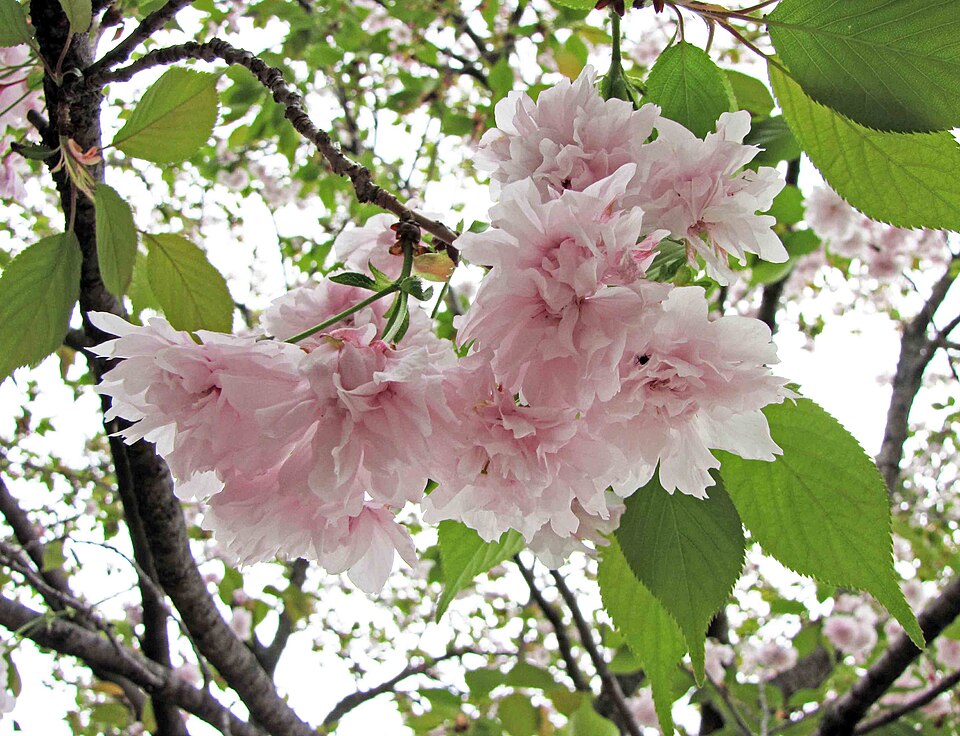
iNaturalist· cc-by-nc
(c) James Bailey, some rights reserved (CC BY-NC), uploaded by James Bailey
iNaturalist· cc-by-nc-sa
(c) Tony Frates, some rights reserved (CC BY-NC-SA)
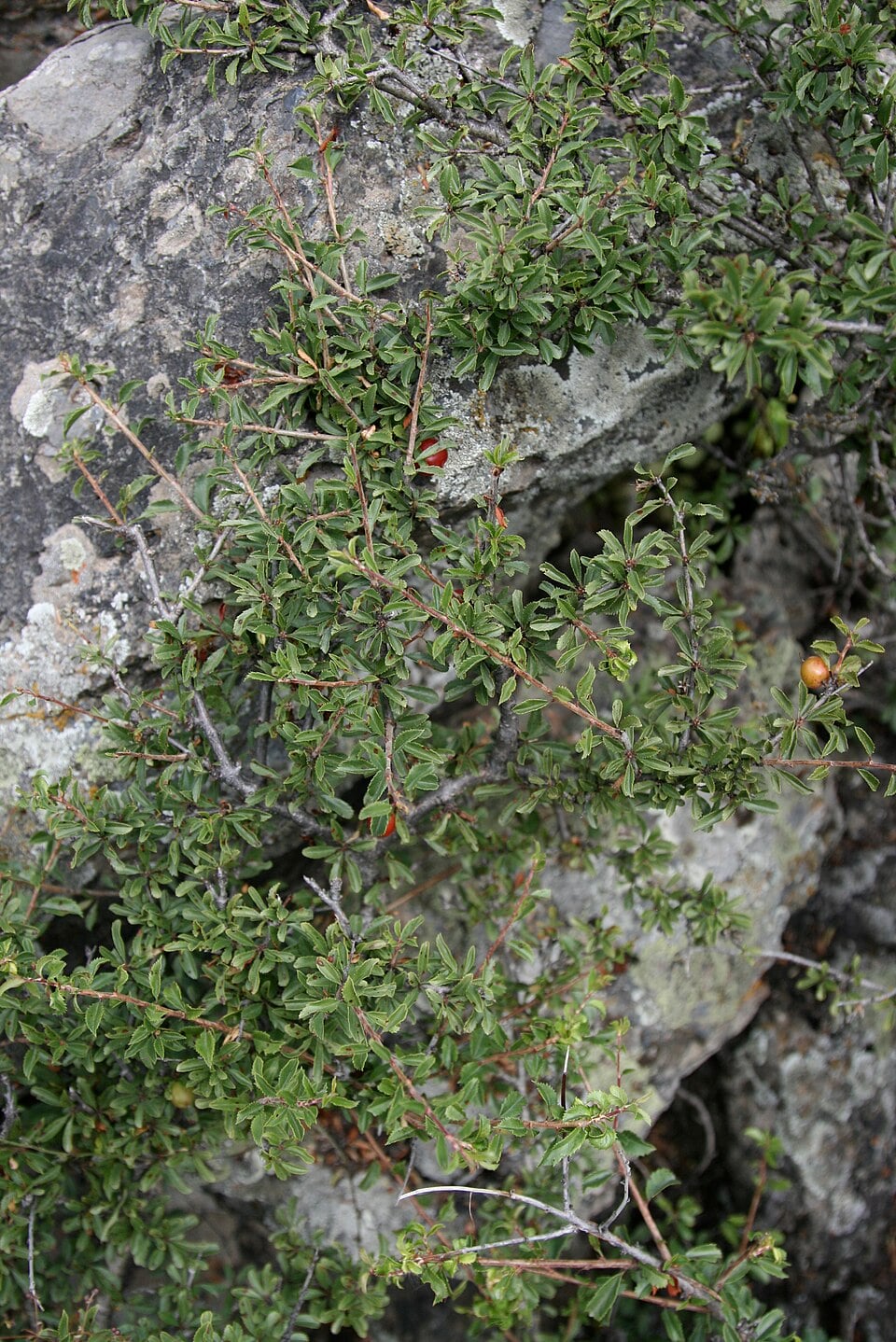
iNaturalist· cc-by
(c) Rick Mandel, some rights reserved (CC BY), uploaded by Rick Mandel
Summary
Source: WikipediaCercocarpus ledifolius is a North American species of mountain mahogany known by the common name curl-leaf mountain mahogany.
Description
Cercocylon ledifolius is an evergreen tree growing to 8 m at a slow rate, hardy to UK zone 6. It remains in leaf year-round and produces hermaphrodite flowers pollinated by insects. The tree fixes nitrogen and tolerates light sandy, medium loamy, and heavy clay soils with good drainage. It requires full sun, thrives in mildly acid to mildly alkaline soils, and tolerates both dry and moist conditions as well as maritime exposure.
Edible Uses
The scraped bark makes a flavourful addition to a brew of Mormon tea (Ephedra spp.).
Traditional Uses
The bark is used to add flavour to Mormon tea. The wood can be used in smoking ham to add flavour and aroma.
This uses section is brief — help expand it
Medicinal Uses
Mountain mahogany was used medicinally by several native North American Indian tribes and is now virtually absent from modern herbalism. The bark is antihaemorrhagic, cardiac, stomachic, and tonic. A decoction has been used to treat coughs, colds, pneumonia, spitting up of blood, stomach aches, diarrhoea (including in children), tuberculosis, and venereal disease. A poultice of green powdered wood has been applied to sores, cuts, wounds, and burns, and also sprinkled on syphilitic sores. An exudation from the plant has been dried, ground into a powder, and applied to the ear to treat earaches.
Distribution
It is a temperate plant.
Where It Grows
North America, USA,
Cultivation
Requires a position in full sun in a perfectly draining soil. Succeeds in dry soils. Tolerates maritime exposure. Some forms of this species are hardy to about -17°c. A slow-growing tree or large shrub, it is not a true evergreen, but its leaves persist over winter and do not fall until after the new leaves are growing. Some members of this genus have a symbiotic relationship with certain soil micro-organisms, these form nodules on the roots of the plants and fix atmospheric nitrogen. Some of this nitrogen is utilized by the growing plant but some can also be used by other plants growing nearby.
Propagation
Sow seed in spring in a greenhouse. Once large enough to handle, prick seedlings into individual pots and grow on in a greenhouse for at least their first winter. Plant out into permanent positions in late spring or early summer after the last expected frosts. Cuttings of half-ripe wood can be taken in July/August in a frame.
Other Uses
A red dye is obtained from the inner bark. The wood is extremely hard and so dense it will not float in water; it is also brittle. It makes an excellent fuel, producing intense heat and burning for a long time. It is occasionally used to manufacture small domestic and industrial articles. Functions as a nitrogen fixer; suited to carbon farming applications.
Also Known As
Tuupi
References (3)
- Coutre, M. D., et al, 1986, Foraging Behaviour of a Contemporary Northern Great Basin Population. Journal of California and Great Bason Anthropology Vol. 8(2) pp 150-160
- Facciola, S., 1998, Cornucopia 2: a Source Book of Edible Plants. Kampong Publications, p 195
- Fl. N. Amer. 1:427. 1840