Panicum paludosum
Roxb.
iNaturalist· cc-by-nc
(c) lecanorchis, some rights reserved (CC BY-NC)
iNaturalist· cc-by-nc
(c) Shin-Ming Ku, some rights reserved (CC BY-NC), uploaded by Shin-Ming Ku
iNaturalist· cc-by-nc
(c) lecanorchis, some rights reserved (CC BY-NC)
Description
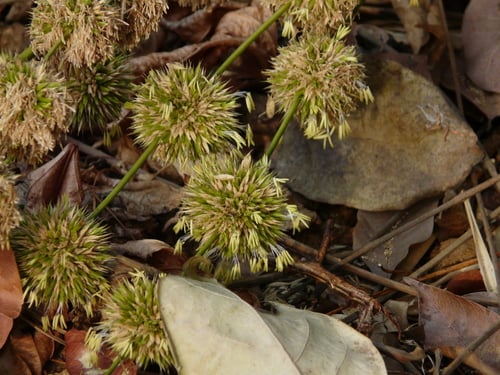
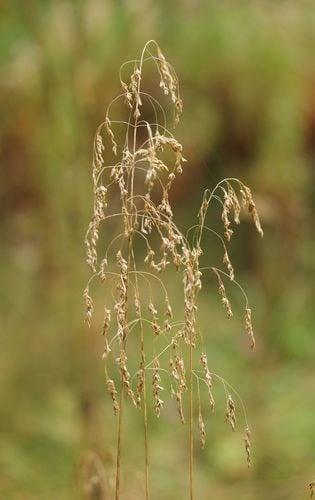
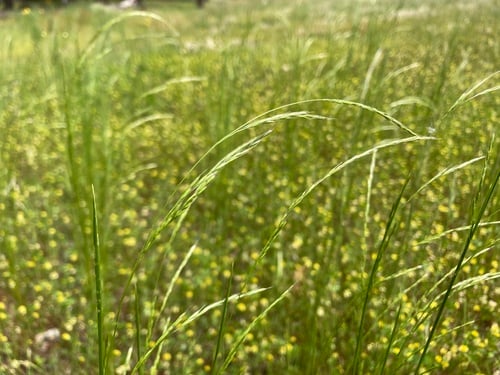
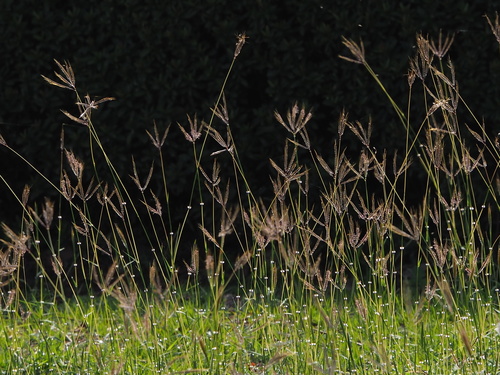
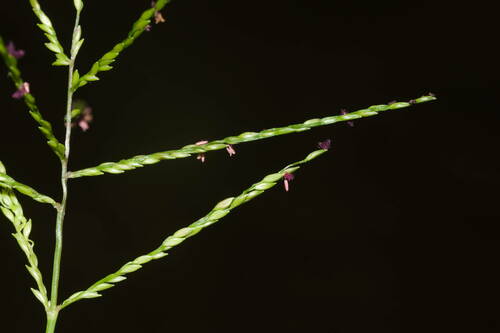
A grass. It grows in water and keeps growing from year to year. It is 25-130 cm long and is spongy. It forms roots at the nodes. The leaf blades are 15-30 cm long by 6-14 mm wide. The flower panicle is oval and 10-30 cm long. The spikelets are narrow and sword shaped and 3 mm long.
Edible Uses
The seed grain is commonly eaten as a food source.
Traditional Uses
The seed grain is commonly eaten.
This uses section is brief — help expand it
Distribution
A tropical plant. It grows in water.
Where It Grows
Asia, Australia, India, Myanmar, Pakistan, SE Asia, Sri Lanka,
Synonyms
Also Known As
Borati, Samai, Soda
References (4)
- Ambasta, S.P. (Ed.), 2000, The Useful Plants of India. CSIR India. p 426
- Fl. ind. 1:310. 1820
- Flora of Pakistan. www.eFloras.org
- Ramachandran, V.S. and Nair, V.J., 1981, Ethnobotanical studies in Cannanore District, Kerala State (India). J Econ. Tax. Bot. Vol 2 pp 65-72