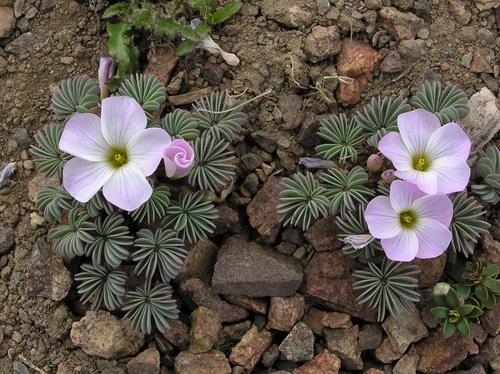
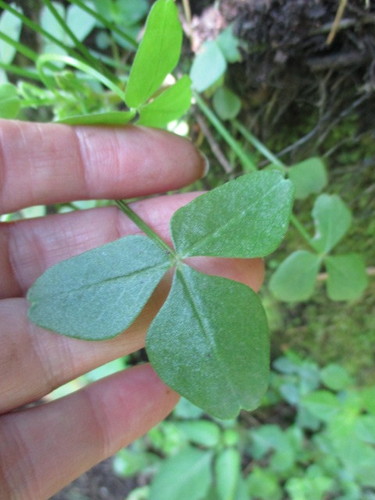
Biophytum sensitivum
(L.) DC.
Surelle sensitive
iNaturalist· cc-by-sa
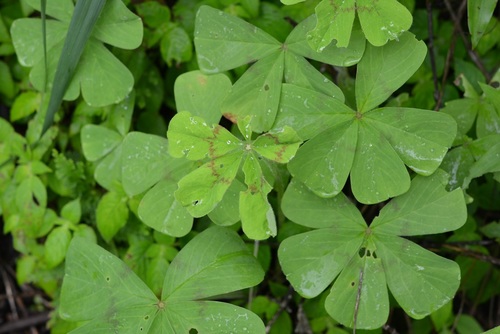
(c) V C Balakrishnan, some rights reserved (CC BY-SA)
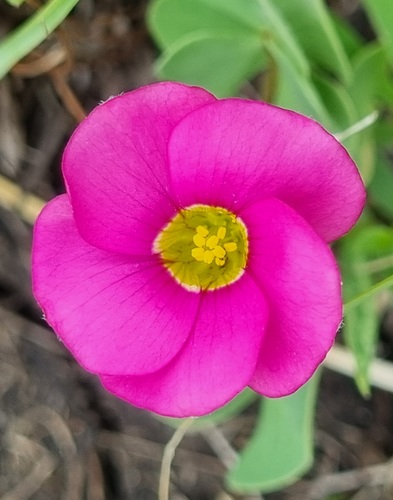
iNaturalist· cc-by
(c) Dinuraj K, some rights reserved (CC BY)
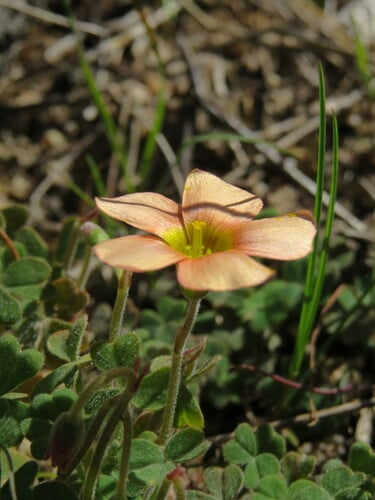
iNaturalist· cc-by-nc
(c) blackdogto, some rights reserved (CC BY-NC), uploaded by blackdogto
Summary
Source: WikipediaBiophytum sensitivum, also known as little tree plant, or Mukkutti (in Malayalam) is a species of plant in the genus Biophytum of the family Oxalidaceae. It is commonly found in Kerala, wet lands of Nepal, tropical India and in other Southeast Asian countries and is used for medicinal purposes in Nepal and India. The plant is also a common weed in disturbed environments, but in captivity, Biophytum sensitivum is particularly sensitive to spider mites. Investigations have been undertaken into the plant's chemistry, biological activities, and medicinal uses. Similarly to Mimosa pudica, the leaflets of Biophytum sensitivum are able to move rapidly in response to mechanical stimulation such as touch.
Description
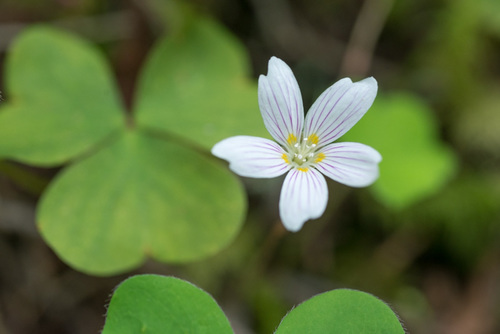
An annual herb. It grows 10-40 cm high. The leaves are 3-13 cm long. There are 21 leaflets. They are 3-8 mm long by 3-5 mm wide. The flowers are white, yellow or pink.
Edible Uses
The leaves and shoots are eaten as a vegetable.
Medicinal Uses
The powdered seeds are used as a vulnerary. A decoction of the roots is used to treat gonorrhoea and stones in the bladder. A decoction of the plant is said to cure diabetes mellitus It is also used to treat diseases of pregnancy; to diminish the female libido; to treat chest-complaints etc. The ashes of the plant, combined with lime-juice, are used to treat stomach-aches. The plant is also a reputed medicine for tuberculosis The whole plant is used as an anti-inflammatory in the treatment of sore throat, abscesses, chronic wounds and fever.
Distribution
A tropical plant. It grows along riverbanks and in damp thickets. In southern China it grows on mountain slopes and forest floors between 100-700 m above sea level.
Where It Grows
Africa, Asia, Cambodia, China, East Africa, Himalayas, India, Indochina, Indonesia, Laos, Madagascar, Malaysia, Malawi, Mozambique, Myanmar, Nepal, Philippines, SE Asia, Southern Africa, Sri Lanka, Taiwan, Thailand, Zambia, Vietnam,
Cultivation
The plant flowers and fruits all year round.
Propagation
Seed - it appears to have a dormancy period of around 9 months after maturing on the plant. The seed probably contains a water-soluble inhibitor. The optimal temperature needed for germination was found to be 30 - 40°c.
Synonyms
Also Known As
Chua me dat, Chua me la me, Horokoronamboa, Kifohafoha, Kihorohorona, Kihoronkorona, Miorinkorona, Nintralvaadi, Ramihorona, Shun-bwet-hti-gayon, Tabin-shwe-te, Tsihilavanandriananahary, Tsingoregorenamboa
References (6)
- Facciola, S., 1998, Cornucopia 2: a Source Book of Edible Plants. Kampong Publications, p 165
- Flora Zambesiaca. http://apps.kew.org/efloras
- Prodr. 1:690. 1824
- Sang, D. T., & Mizoue, K. O. N., 2012, Use of Edible Forest Plants among Indigenous Ethnic Minorities in Cat Tien Biosphere Reserve, Vietnam. Asian Journal of Biodiversity Vol. 3 (1), p 23-49
- Sivakumar, A. & Murugesan, M., 2005, Ethnobotanical Studies of the wild edible plants used by the tribals of the Anaimalai Hills, the Western Ghats. Ancient Science of Life. XXV(2) Oct-Dec.
Show all 6 references Hide references
- Tanaka,