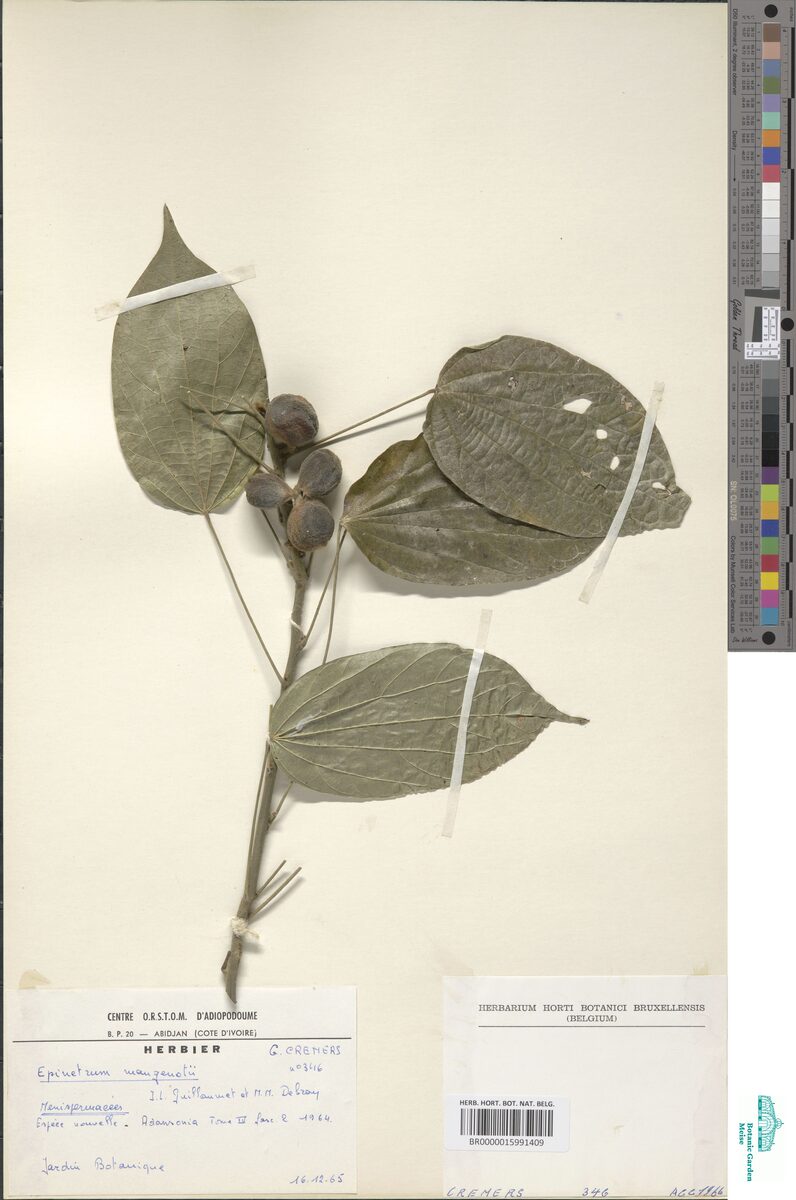
Tinospora cordifolia
(Lour.) Miers
Heart-leaved moonseed
iNaturalist· cc-by-nc
(c) rithika fernandes, some rights reserved (CC BY-NC), uploaded by rithika fernandes
iNaturalist· cc-by-nc
(c) SONU KUMAR, some rights reserved (CC BY-NC), uploaded by SONU KUMAR
Summary
Source: WikipediaTinospora cordifolia, guruchi, guduchi, amrita, or the heart-leaved moonseed, is a herbaceous vine of the family Menispermaceae native to South and Southeast Asia. It has been used in Ayurveda in an attempt to treat various disorders. There is no good evidence Tinospora cordifolia is of benefit as a medicine and its use can lead to potentially fatal herb-induced liver injury.
Description
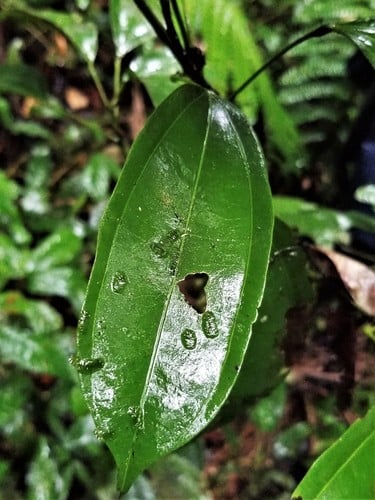
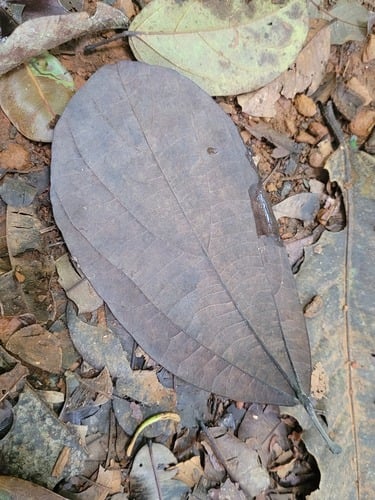
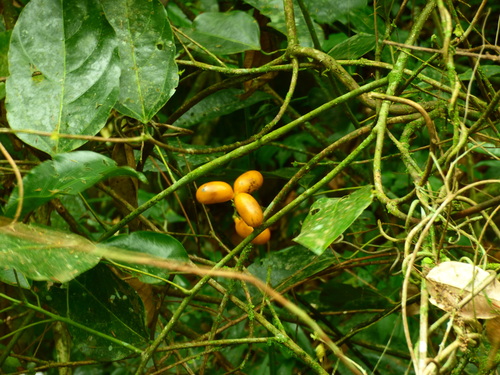
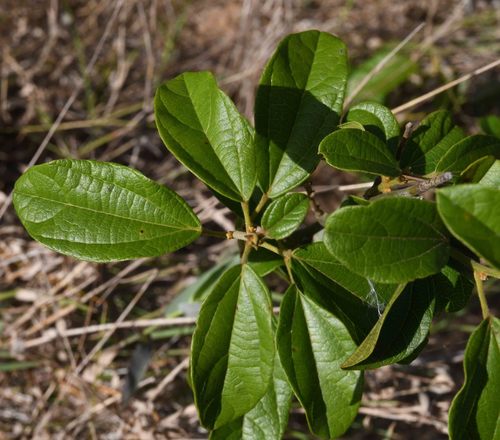
A vine or climbing plant. The stems are slender. This produces thread like aerial roots. The leaves are heart shaped and 5-10 cm long. The flowers are yellow and loose groups. They grow from nodes on old wood. The fruit are fleshy and red when ripe.
Edible Uses
The leaves are used to make a tonic tea.
Traditional Uses
The plant is used in a tonic formula. The leaves are used as a vegetable. The roots and young stems are eaten.
This uses section is brief — help expand it
Medicinal Uses
The stem, root, and whole plant are alterative, antidote, aphrodisiac, diuretic, febrifuge, and tonic. Starch obtained from the stem and root is nutritive and useful in treating diarrhoea and dysentery, with the fresh plant being more effective than the dried. A watery extract known as 'Indian Quinine' is a highly effective treatment for fevers caused by cold or indigestion. The plant is also commonly used for rheumatism, urinary disease, general debility, bronchitis, and infertility. It is one of the ingredients in the Ayurvedic tonic formula Amrit Kalash.
Known Hazards
T. cordifolia supplement usage is the highest reported causative agent of herb-induced liver injury in India. Advocates of ayurveda have attempted to blame adulteration for these effects, but investigation showed the toxicity to result directly from compounds in the plant itself, such as furano-diterpenoids. Supplement use can lead to the need for a liver transplant or death from cirrhosis. During the 2020–22 COVID-19 outbreak in India, the Ministry of AYUSH recommended use of T. cordifolia ("giloy") as a home remedy for immune support, but such a practice appeared to be associated with hepatitis cases among six people in Mumbai who used boiled or capsule preparations of the plant.
Distribution
It is a tropical plant. It grows in deciduous and dry forests. It grows up to 300 m above sea level. In the Indian Himalayas between 700-1,300 m above sea level.
Where It Grows
Asia, Bangladesh, India, Indochina, Indonesia, Myanmar, Nepal, Northeastern India, SE Asia, Sri Lanka, Vietnam,
Cultivation
Plants can be grown from cuttings.
Propagation
Propagate from seed, or from cuttings — which are very easy, as the plant naturally produces aerial roots in the wild.
Other Uses
The aerial roots are used as a tying material for bundling. Note that some species in this genus are larval hosts of fruit-piercing noctuid moths that cause significant damage to Citrus crops (particularly Mandarins) and Dimocarpus longan (Longan) in Thailand.
Notes
There are 30 Tinospora species. It is used in herbal medicine.
Synonyms
Also Known As
Amarlata, Amrut vela, Bael tiga, Brotowali, Gadancha, Giloe, Giloy, Guduchi, Guljya, Gurach, Gurach-ludhi, Gurjo, Fa bro noi, Gurjo, Kanda amrta, Kha bru nay, Paidda gandi, Rasakinda, Seenthi