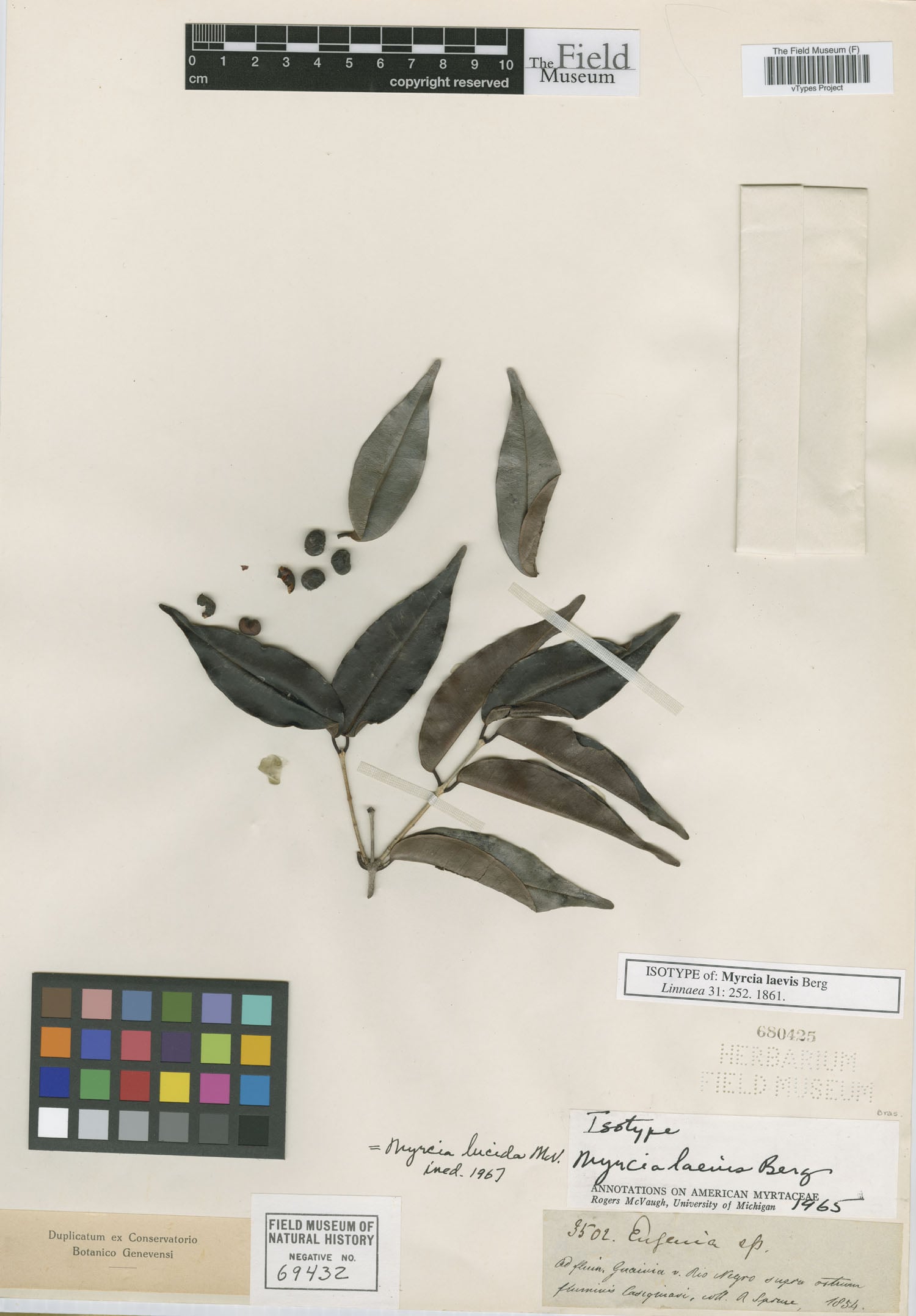
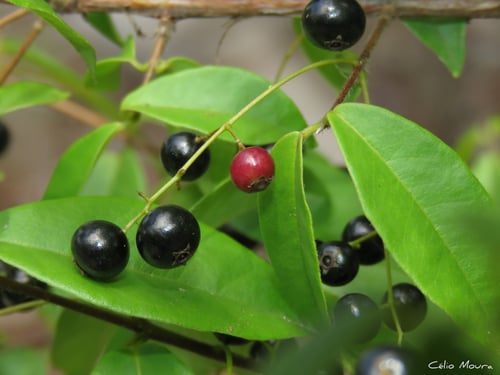
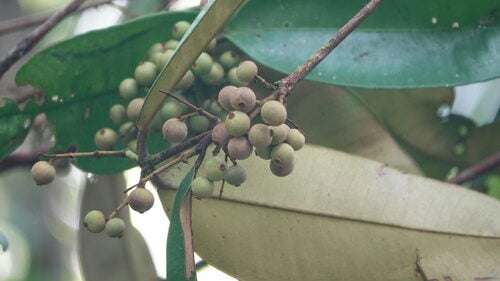
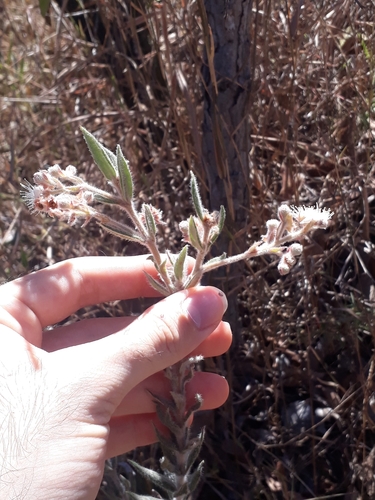
Leptospermum liversidgei
R. T. Baker & H. G. Sm.
Swamp may
iNaturalist· cc-by-nc
(c) Deborah Metters, some rights reserved (CC BY-NC), uploaded by Deborah Metters
iNaturalist· cc-by-nc
(c) Alive7237, some rights reserved (CC BY-NC)
Summary
Source: WikipediaLeptospermum liversidgei, commonly known as the olive tea-tree, is a species of compact shrub that is endemic to eastern Australia. It has narrow egg-shaped, lemon-scented leaves, white or pink flowers and woody fruit that remain on the plant at maturity.
Description
Leptospermum liversidgei is an evergreen shrub growing to 4 m tall. Hardy to UK zone 8. It flowers June to July with year-round foliage and is hermaphroditic, insect-pollinated. It tolerates light sandy, medium loamy, and heavy clay soils with mildly acid to neutral pH, requiring well-drained conditions and full sun. It prefers moist soil, tolerates strong winds, but cannot withstand maritime exposure.
Edible Uses
The dried leaves can be used as a tea substitute. They are lemon-scented.
Traditional Uses
The leaves are used as a substitute for tea.
This uses section is brief — help expand it
Medicinal Uses
The plant has antibacterial properties.
Distribution
It is a temperate plant.
Where It Grows
Australia*,
Cultivation
Succeed in almost any neutral or acid soil of good or reasonable quality, preferring a light sandy loam and full sun. Prefers a position sheltered from hot or cold drying winds. Only succeeds outdoors in the mild areas of Britain, tolerating temperatures down to about -10°c. If plants are killed back in cold winters they sometimes sprout afresh from the old wood. This species does not regenerate from old wood. Resents root disturbance. The leaves have a delightful lemon scent. The forms grown in Britain have a very weak scent, is this due to a lack of sun?. Plants in this genus are notably resistant to honey fungus.
Propagation
Sow seed in spring in a greenhouse, barely covering it. Prick seedlings into individual pots when large enough to handle and grow on in the greenhouse for at least the first winter. Plant out in late spring or early summer after the last expected frosts, with some cold protection for the first winter or two outdoors. Seed remains viable for many years. Take half-ripe cuttings of 5–8cm with a heel in early August and root in a frame, overwintering under glass in the first year — a good percentage will take. Cuttings of nearly mature wood, 4–5cm with a heel, taken in October or November in a frame also give a good success rate.
Other Uses
An essential oil extracted from the leaves is used as a bactericide.
References (3)
- Bean, W.,
- Facciola, S., 1998, Cornucopia 2: a Source Book of Edible Plants. Kampong Publications, p 142
- J. & Proc. Roy. Soc. New South Wales 39:124, t. 2. 1906