Plinia pinnata
L.
Kakirio, Pinnate plinia
gbif· cc-by-nc
Field Museum of Natural History - Botany Department
iNaturalist· cc-by-nc
(c) Merlin, some rights reserved (CC BY-NC), uploaded by Merlin
iNaturalist· cc-by-nc
(c) Merlin, some rights reserved (CC BY-NC), uploaded by Merlin
Description
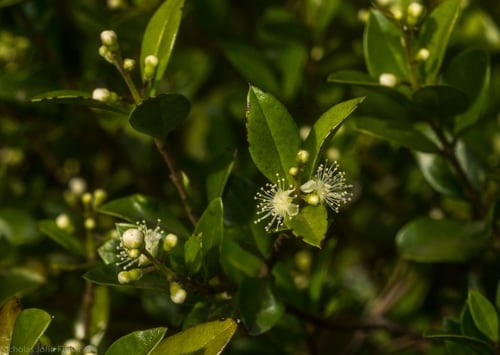
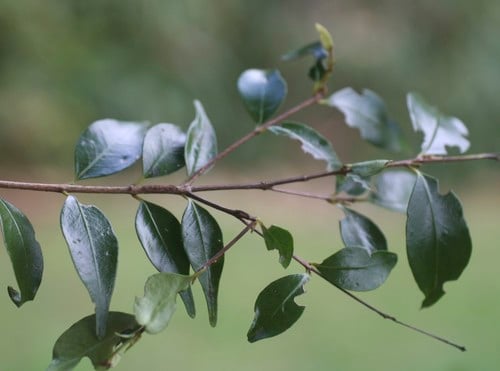
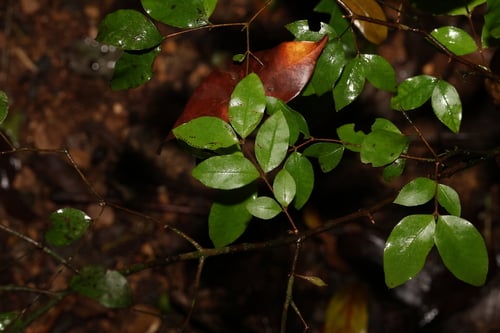
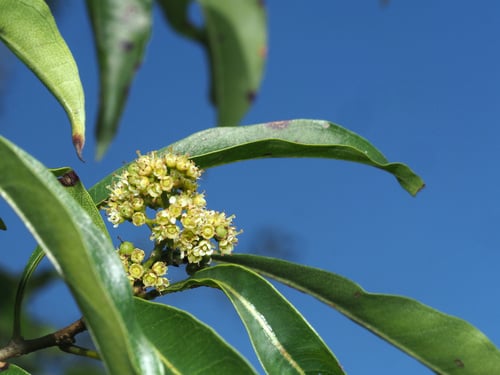
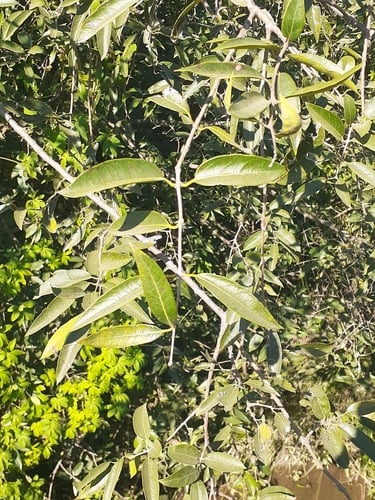
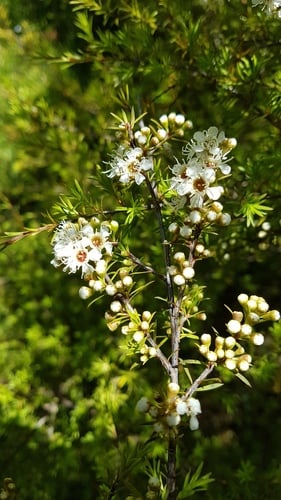
A shrub or tree. It grows to 9 m high. The flower have very short stalks. The fruit is a flattened berry 1.5-2.5 cm across. The fruit are yellow to orange. The pulp is edible. The seed is large.
Edible Uses
The fruit pulp is eaten.
Distribution
It is a tropical plant. It grows in forests near rivers and marshes.
Where It Grows
Amazon, Brazil, Cuba, Colombia, Ecuador, Guianas, Guyana, Leeward Is., Lesser Antilles, Peru, South America, Suriname, Trinidad-Tobago, Venezuela, West Indies, Winward Is.,
Synonyms
Also Known As
Cumala colorada, Cambuca, Dana, Guabillo rebalsero, Jisitri, Kakino, Requia colorada, Tu'kinke me'n
References (6)
- Grandtner, M. M. & Chevrette, J., 2013, Dictionary of Trees, Volume 2: South America: Nomenclature, Taxonomy and Ecology. Academic Press p 515
- Hedrick, U.P., 1919, (Ed.), Sturtevant's edible plants of the world. p 404 (As Marlierea glomerata)
- Kew Plants of the World Online
- Lopez-Diago, D. & Garcia, N., 2021, Wild edible fruits of Colombia. Biota ColomBiana 22 (2) p 46
- Roa, J. A. G. & Boada, D. S. G., 2018, Fundación para el Fortalecimiento de la Fruticultura y Plantas Alimenticias no Convencionales en Colombia.
Show all 6 references Hide references
- van Roosmalen, M.G.M., 1985, Fruits of the Guianan Flora. Utrecht Univ. & Wageningen Univ. p 330